

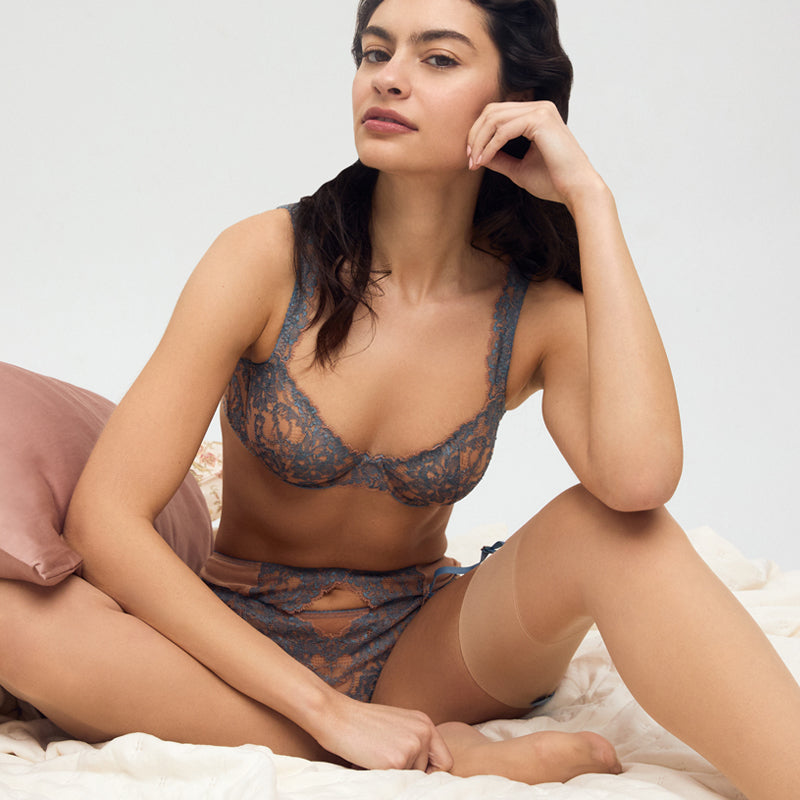

The Sleep & Lounge Guide
Reviewed by Natalie, Senior Fitter at Journelle. Sleepwear fit is looser than lingerie fit, but the principles our fitters use - proportion, fabric for movement, seam placement - apply just as much to how a slip or pyjama set wears overnight.
Sleepwear is the most worn category in a lingerie wardrobe — and often the most neglected. The average person spends around a third of their life asleep, and considerably more time in that transitional zone between waking and going out into the world: the morning coffee, the evening wind-down, the weekend morning. What you wear during those hours is worth thinking about. This guide covers every sleepwear style, how to choose by fabric and occasion, and how to build a sleep and lounge wardrobe that actually feels good to live in.
Why Sleepwear Is Worth Investing In
There's a version of sleepwear that exists purely as an afterthought — an old T-shirt, a pair of shorts worn out of habit, whatever's comfortable enough to ignore. And there's a version that's been considered: fabric chosen for how it feels against skin after a long day, a cut that doesn't twist or bunch, a garment that makes getting into bed feel like a small luxury rather than a neutral event.
The second version doesn't require spending a great deal more, but it does require thinking about sleepwear the way you'd think about anything else you wear regularly. The same logic that applies to a well-fitting bra or a pair of trousers you actually enjoy wearing applies here: quality fabric, thoughtful construction, and a garment that suits how your body actually moves make a difference to how you feel.
Beyond sleep itself, the lounge category has expanded significantly. The shift toward working from home, the growing cultural permission to wear beautiful things in domestic settings, and the general rethinking of what "dressed" needs to mean have all contributed to sleepwear becoming something people invest in with more intention. A silk robe over a modal chemise isn't a purely private pleasure anymore — it's a considered part of the morning.
For more on building a wardrobe that makes everyday life feel more considered, see our post on how to romanticize your everyday life.
Shop Sleep & Lounge
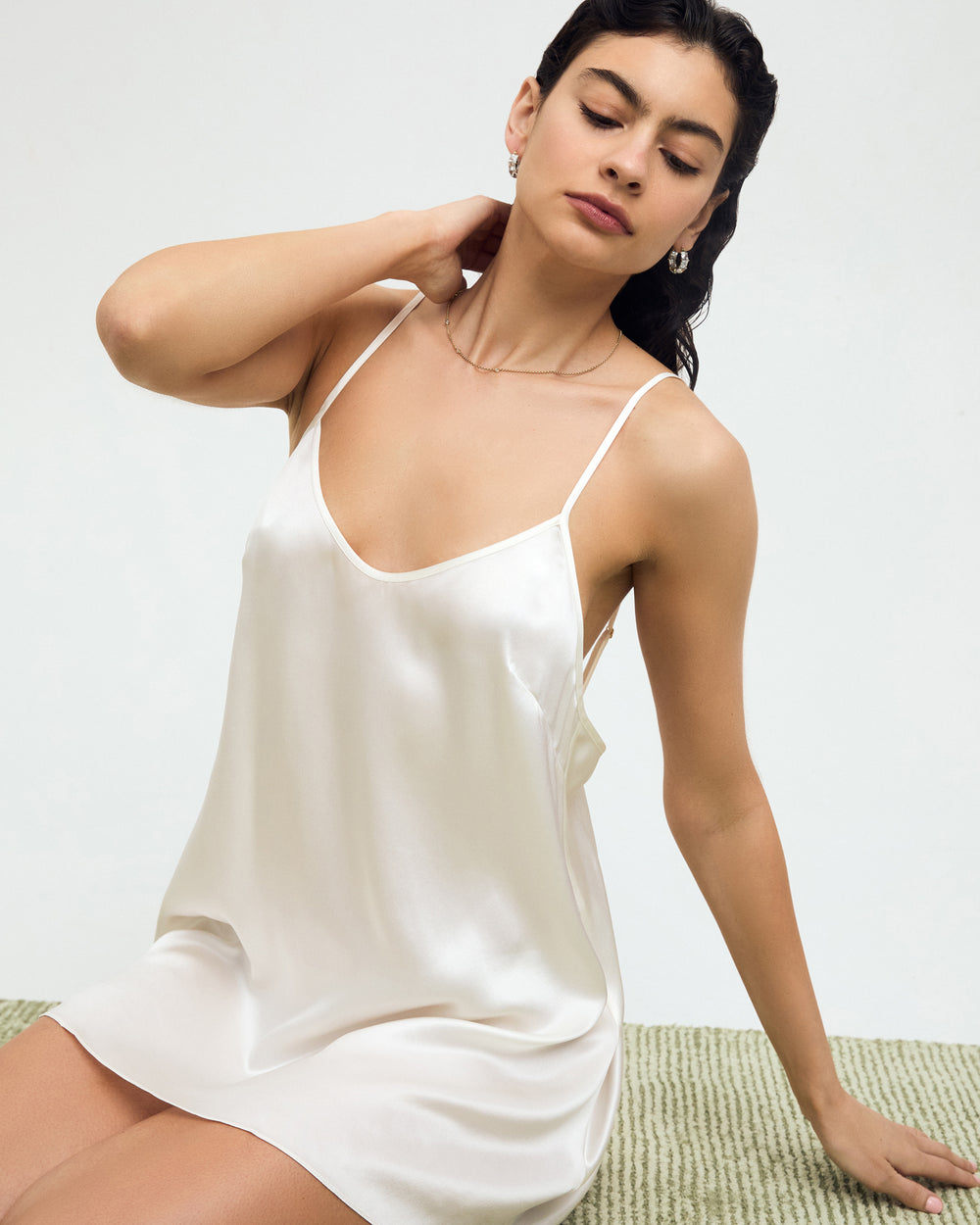
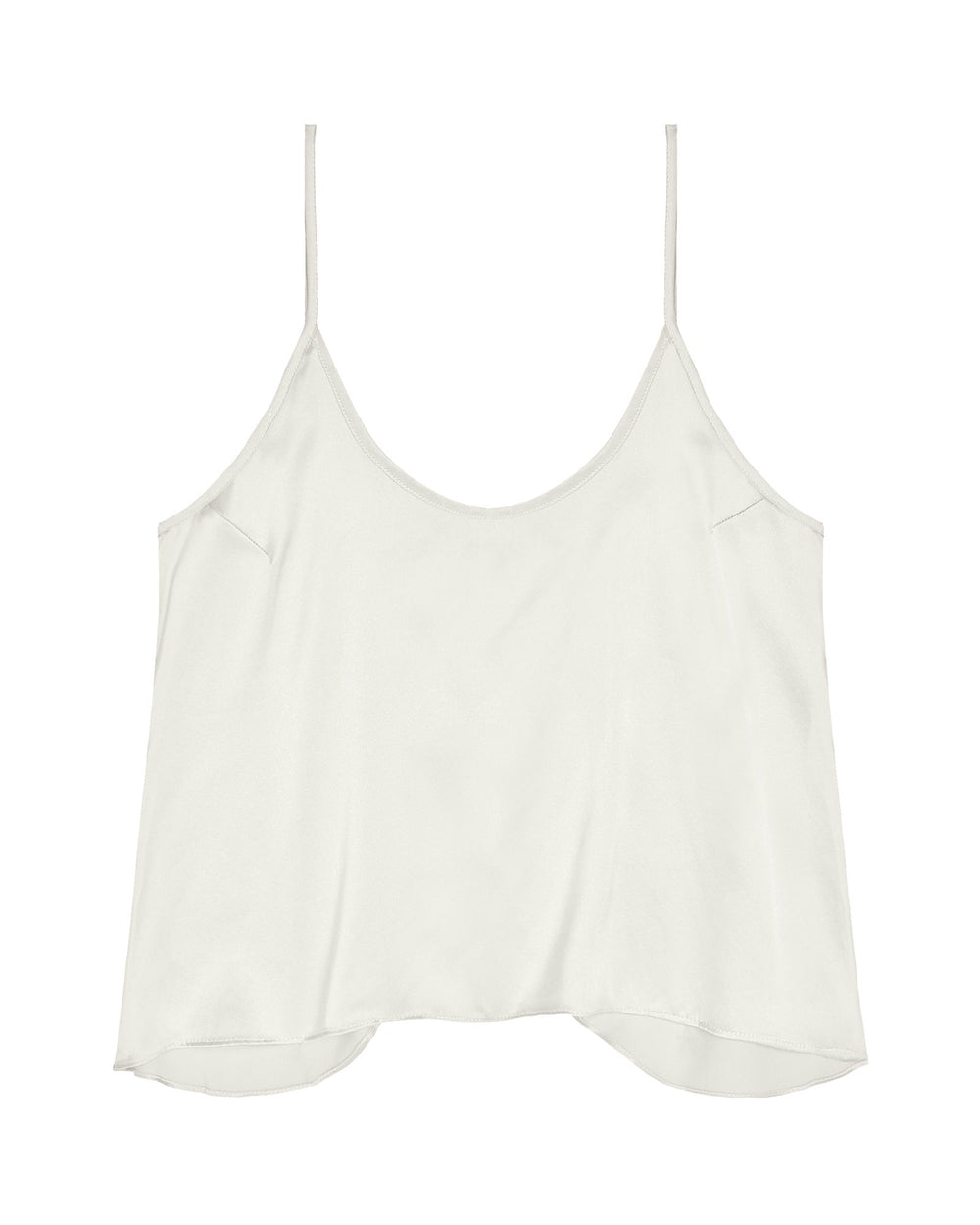

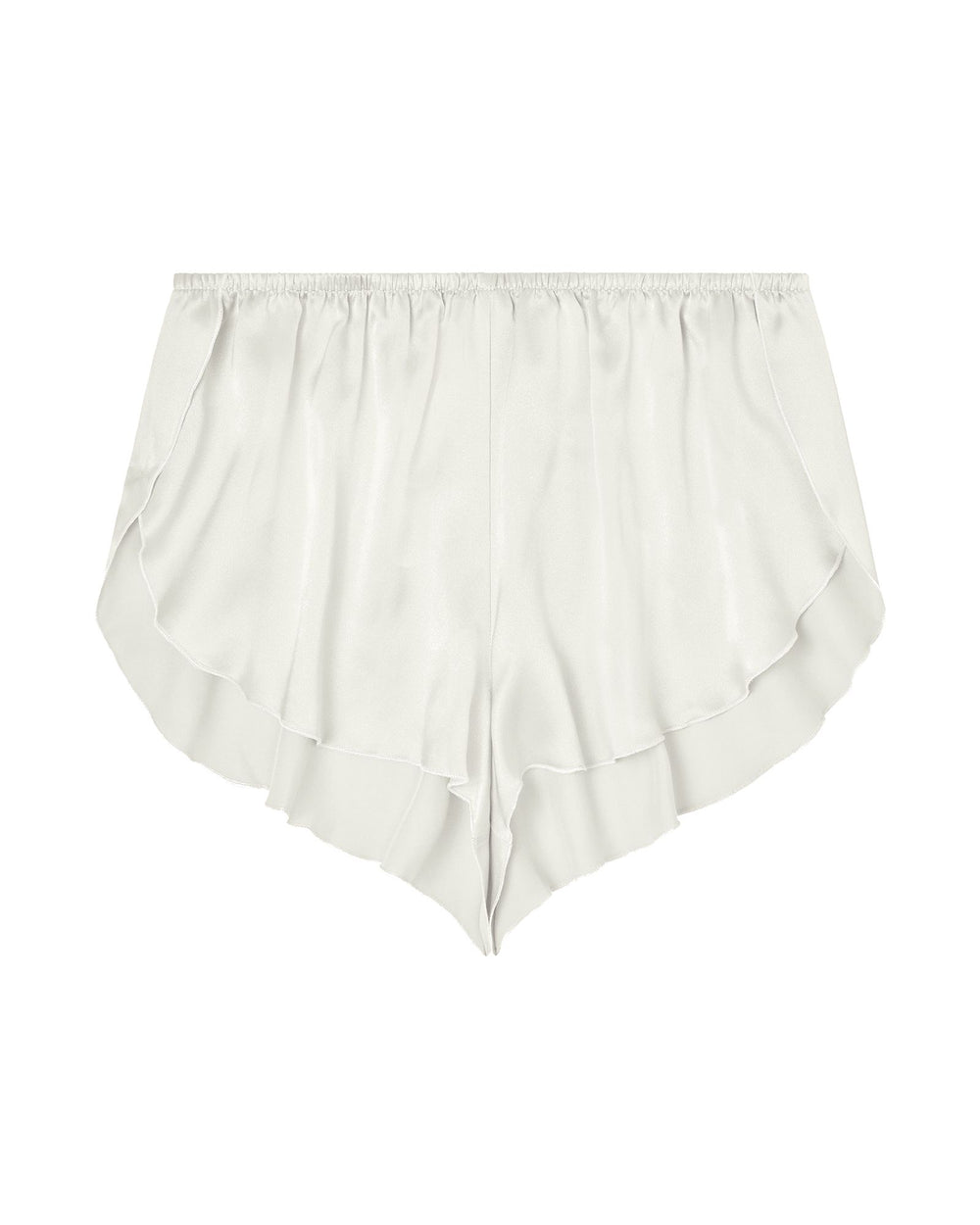

Chemises & Slips
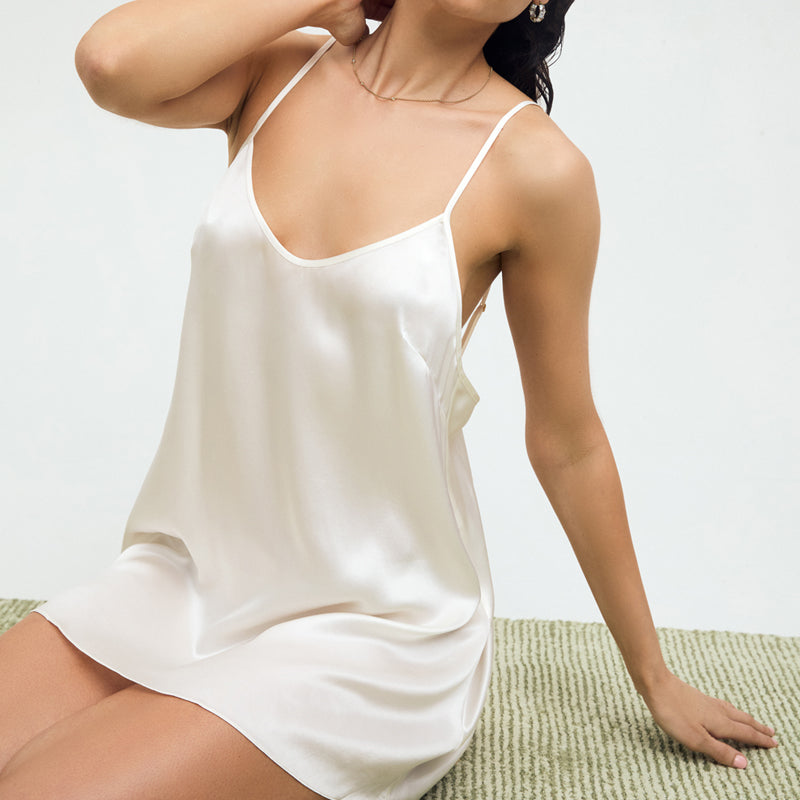
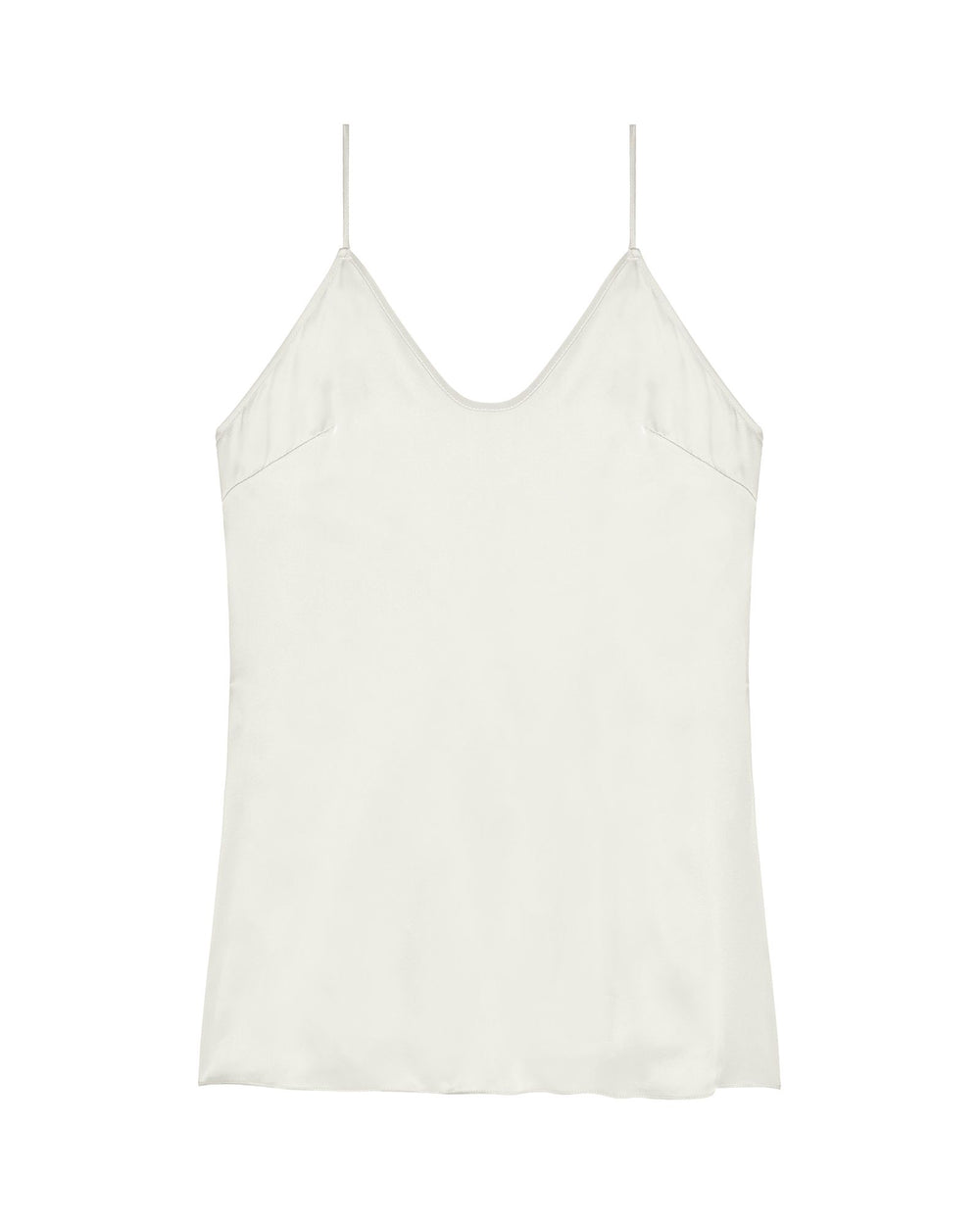
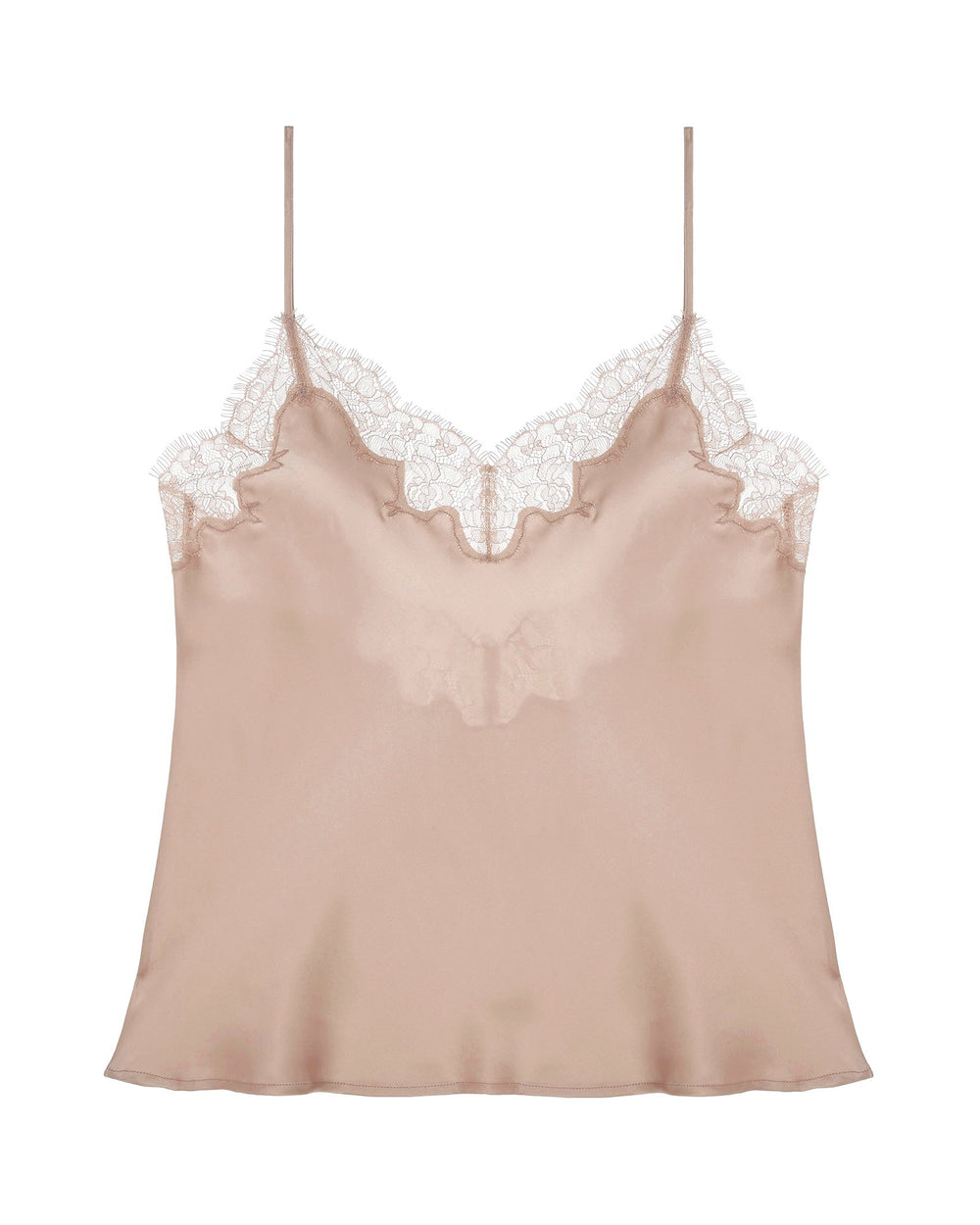
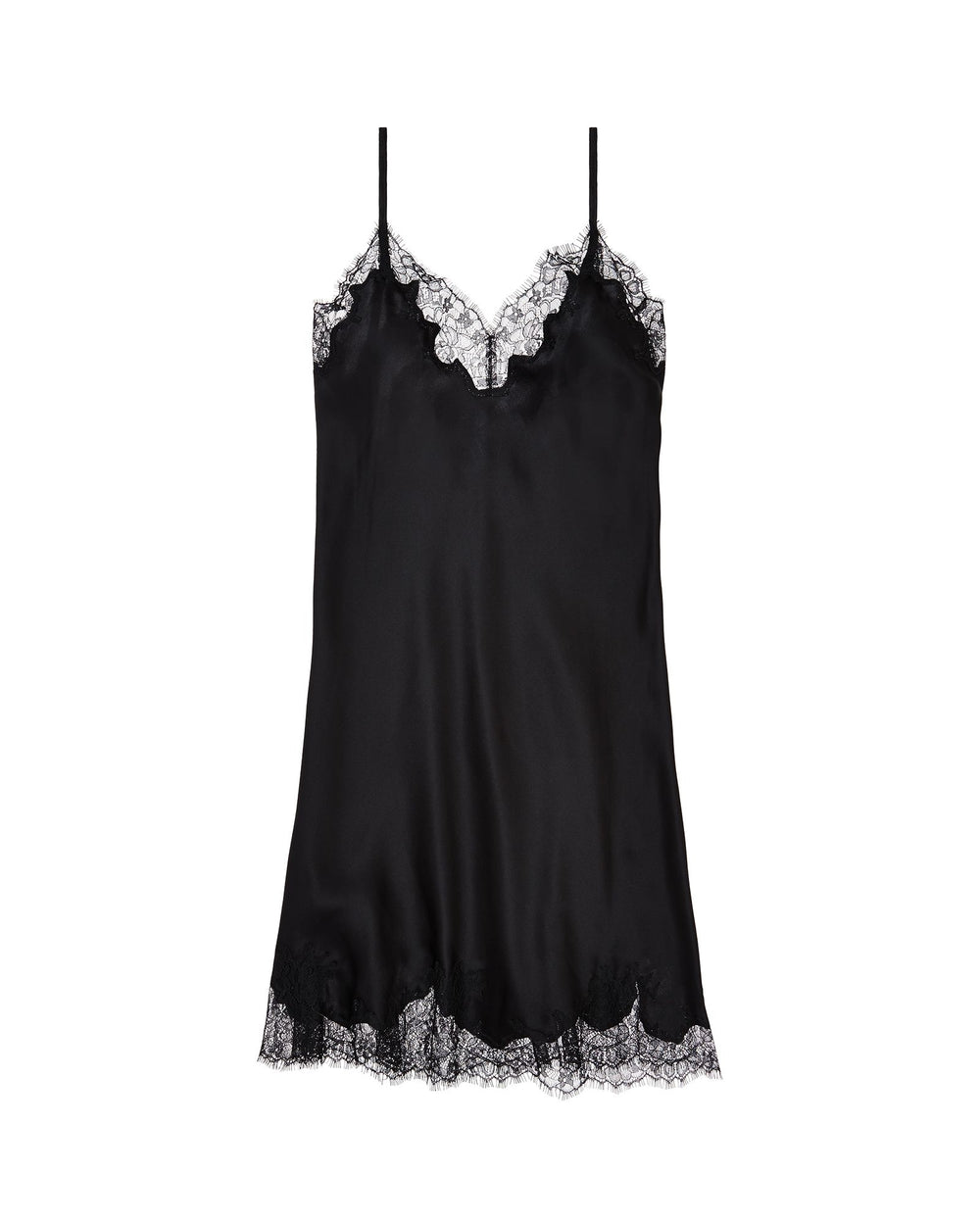
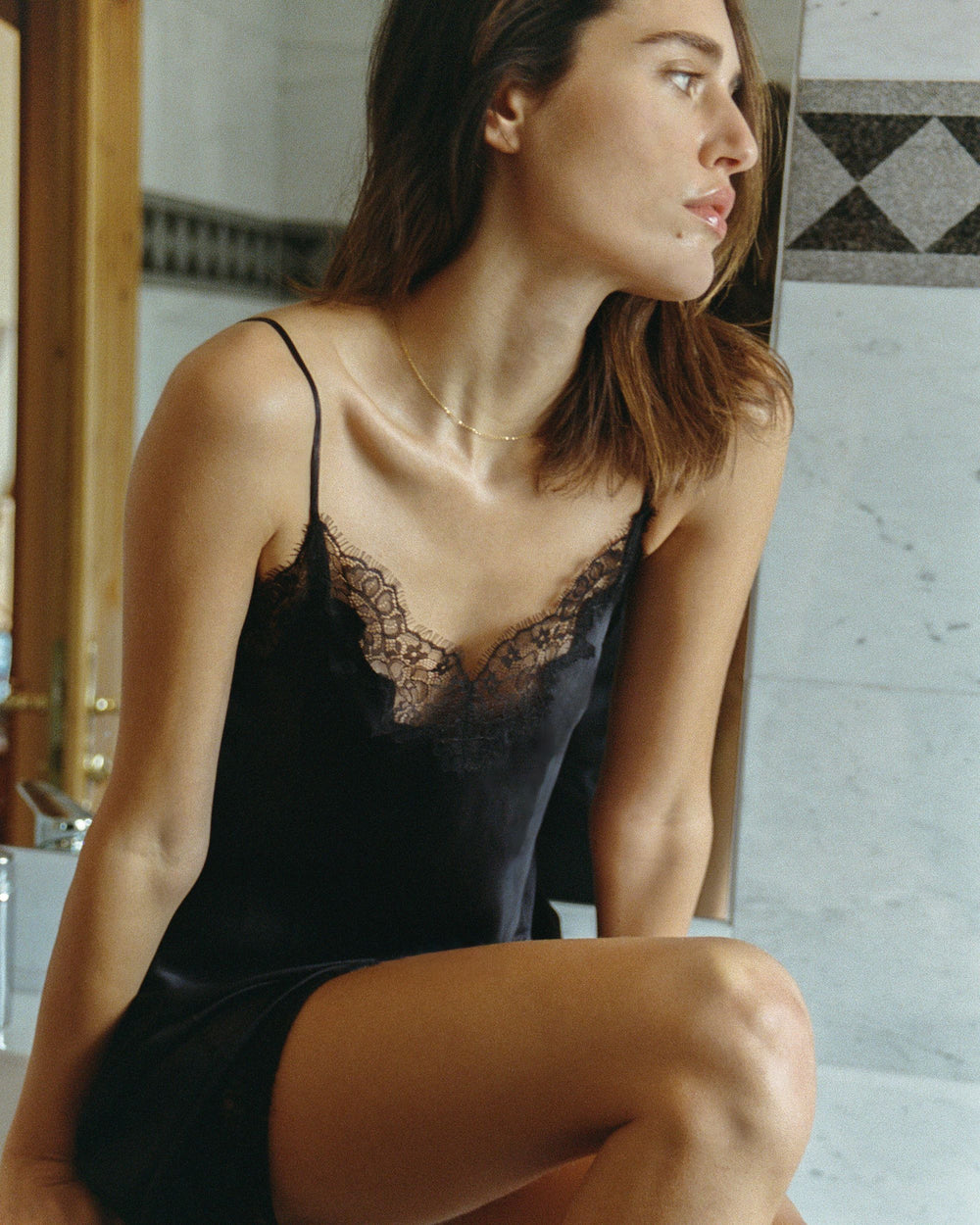
The chemise is the most purely feminine of sleep garments — loose, short, and designed to be worn on its own. It has centuries of history as a sleep layer and remains one of the most comfortable and elegant options available. In silk charmeuse, a chemise regulates temperature naturally and has a drape that no synthetic can replicate. In modal or jersey, it's softer, easier to care for, and suitable for every-night wear.
A slip worn to sleep functions identically, though slips tend toward simpler construction and smoother fabrics by design — fewer lace details, cleaner hems, less ornamentation. Both are strong choices for warm sleepers who want coverage without weight, and for anyone who finds structured sleepwear (button-front tops, elasticated waistbands) uncomfortable to sleep in.
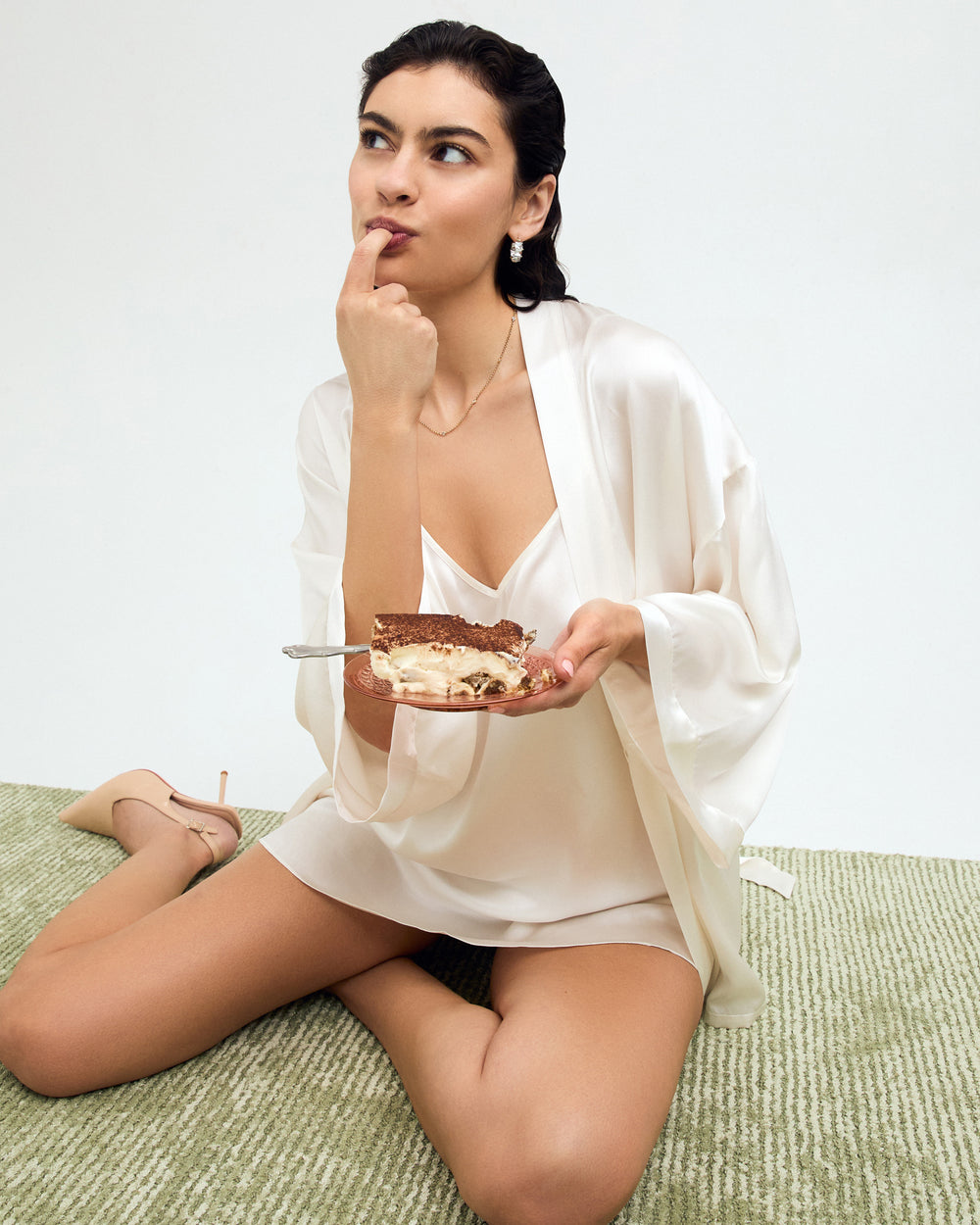
The chemise also crosses readily into lounge territory. Paired with a robe for breakfast, or worn beneath an oversized cardigan for an afternoon at home, it's one of the most versatile pieces in the sleep category. See our full Chemise & Slip Guide for a complete breakdown of styles, fabrics, and fit. For silk specifically, see our post on silk chemises for sleep.
Fitter's note: Silk is the right fibre for hot sleepers — it regulates temperature better than cotton. The drawback is care (hand-wash, flat-dry). If you're buying one silk chemise, buy a mid-weight silk charmeuse (19mm+); featherweight silks beautiful-looking but don't survive a year of wear.
Pajama Sets
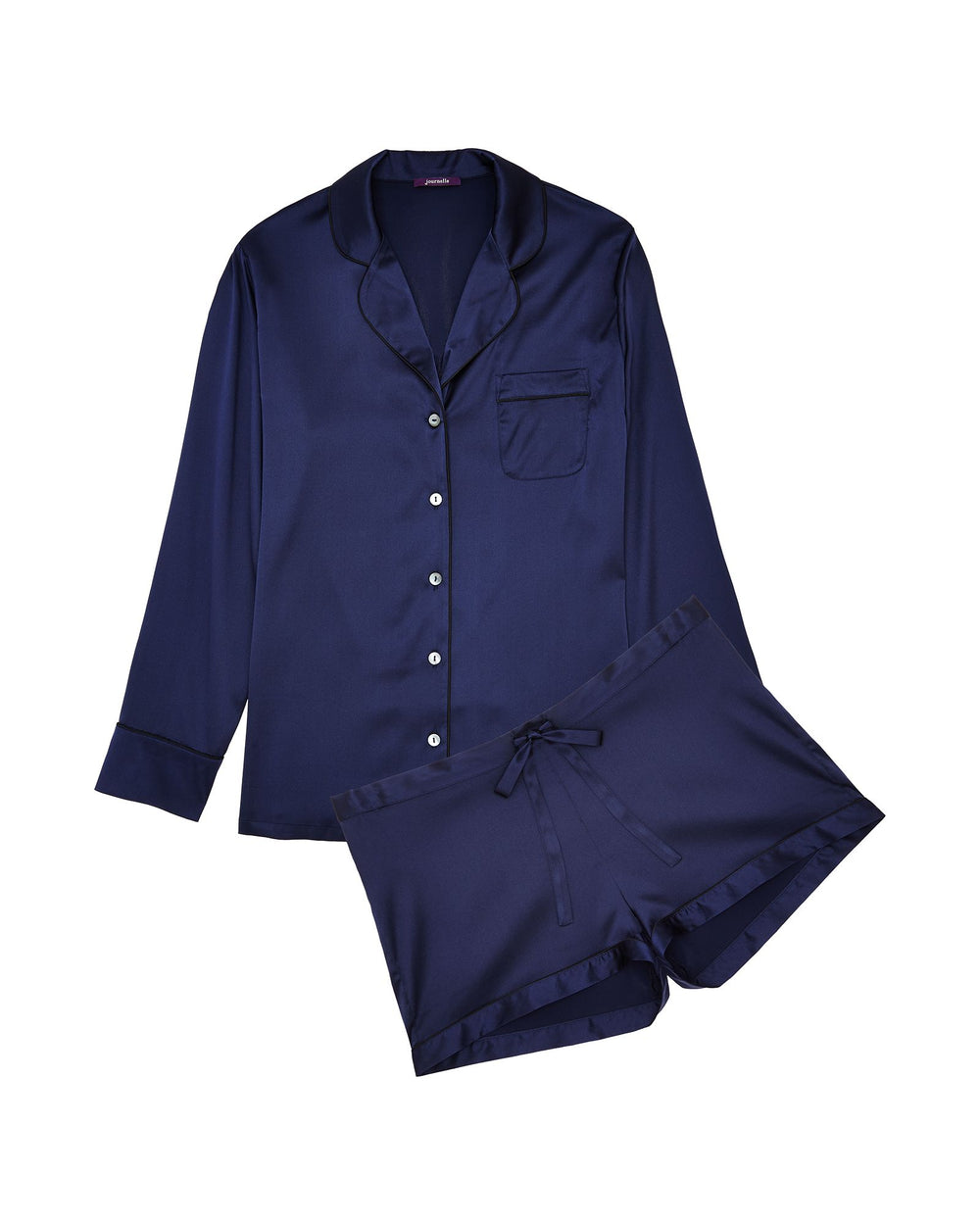
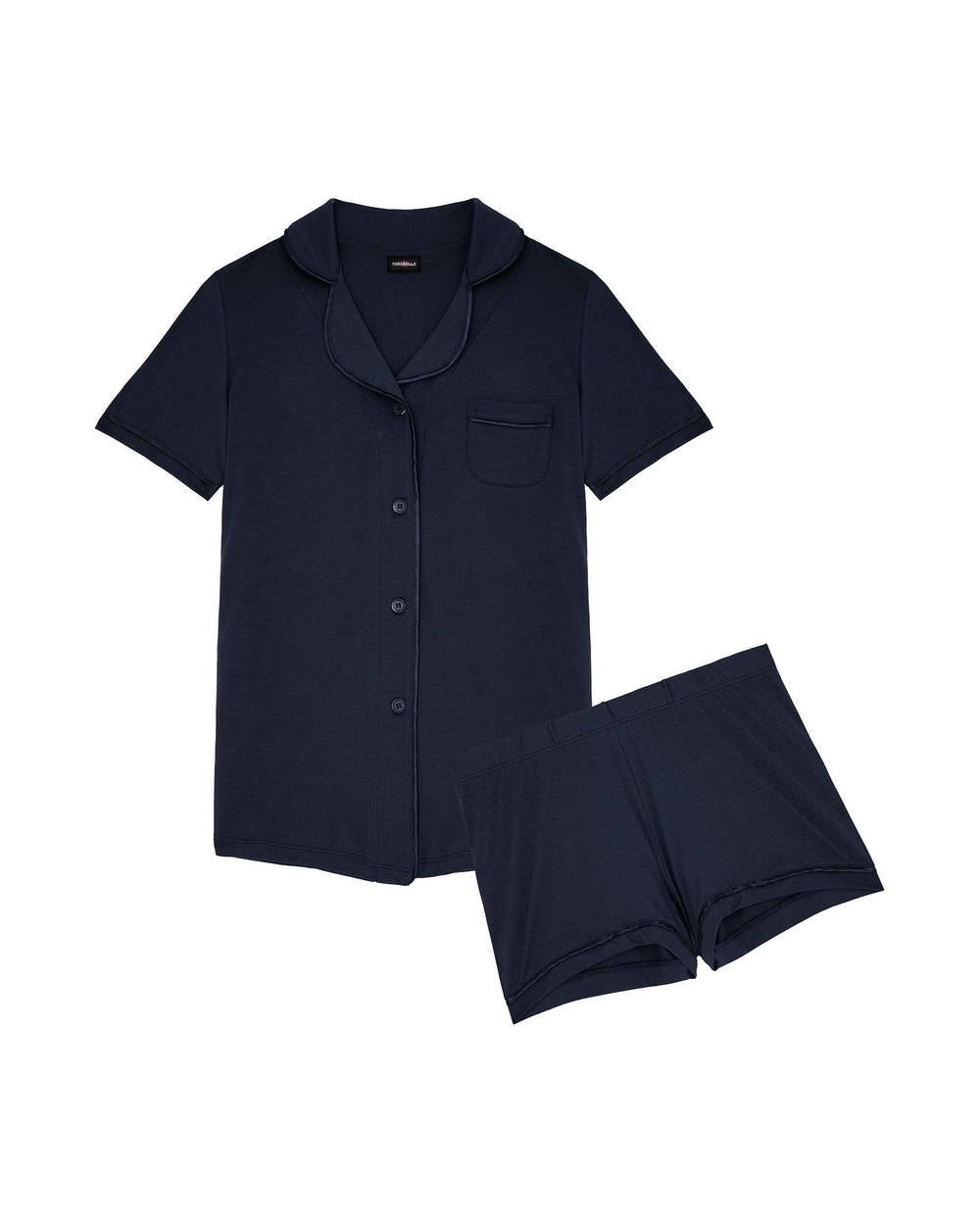
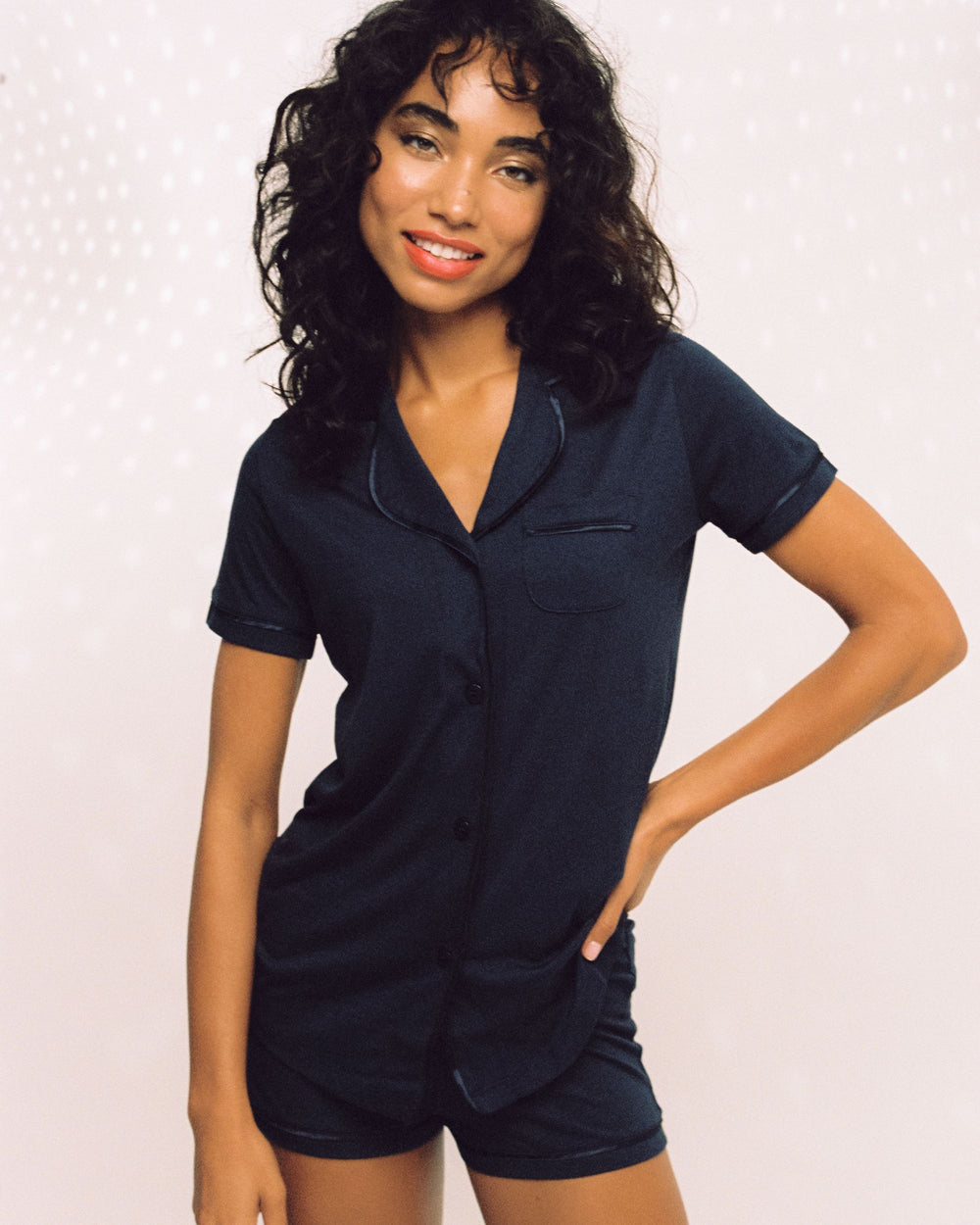
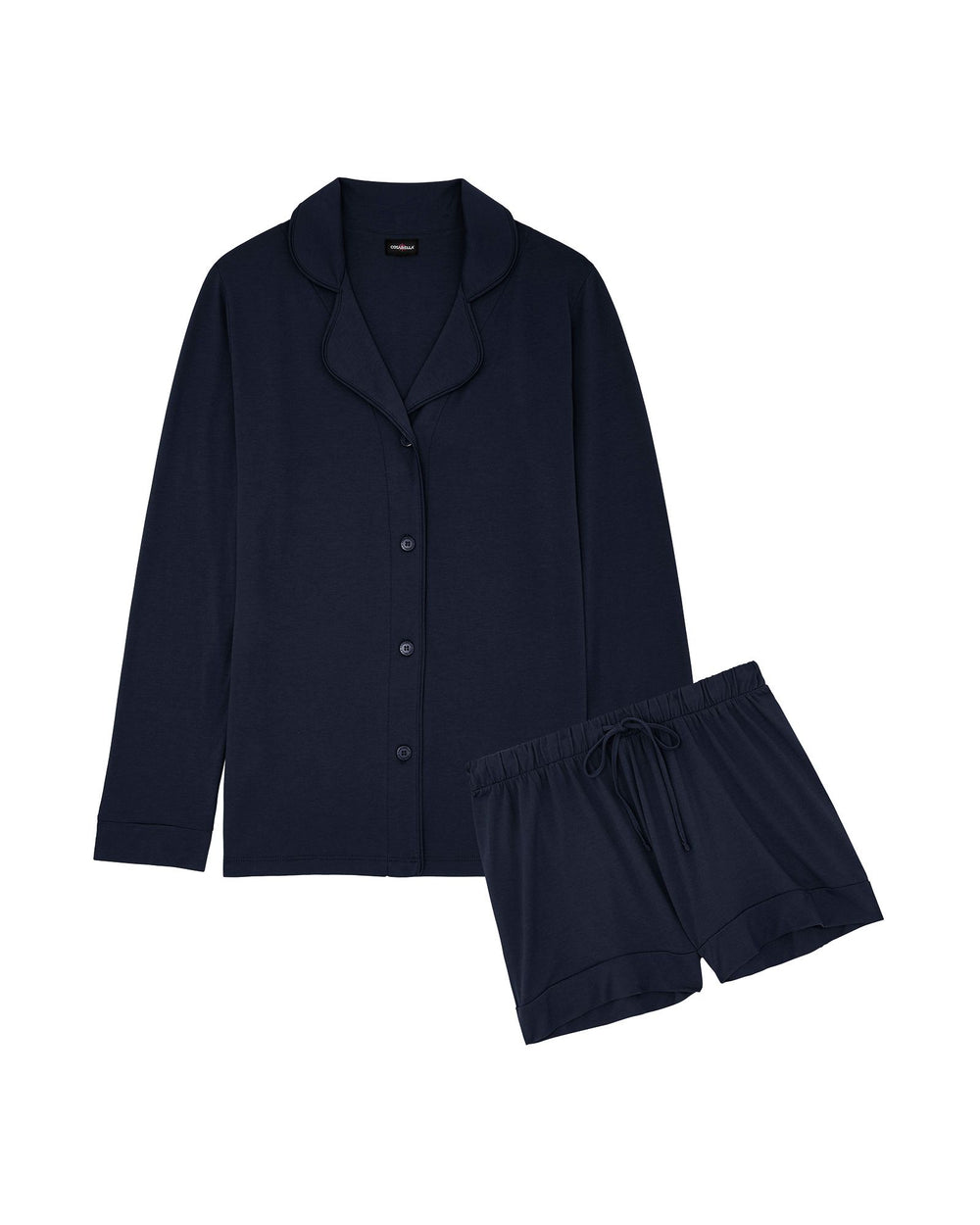
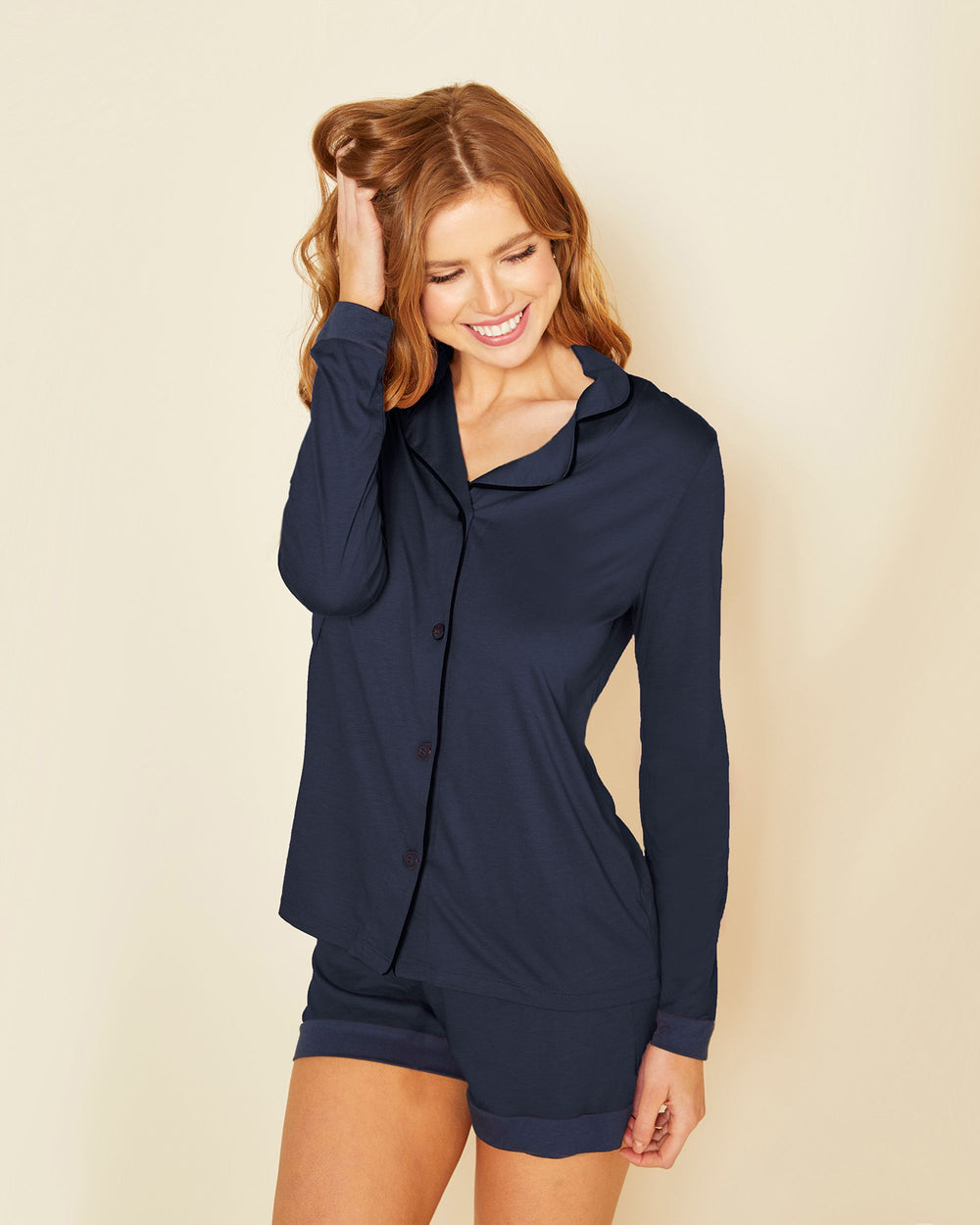
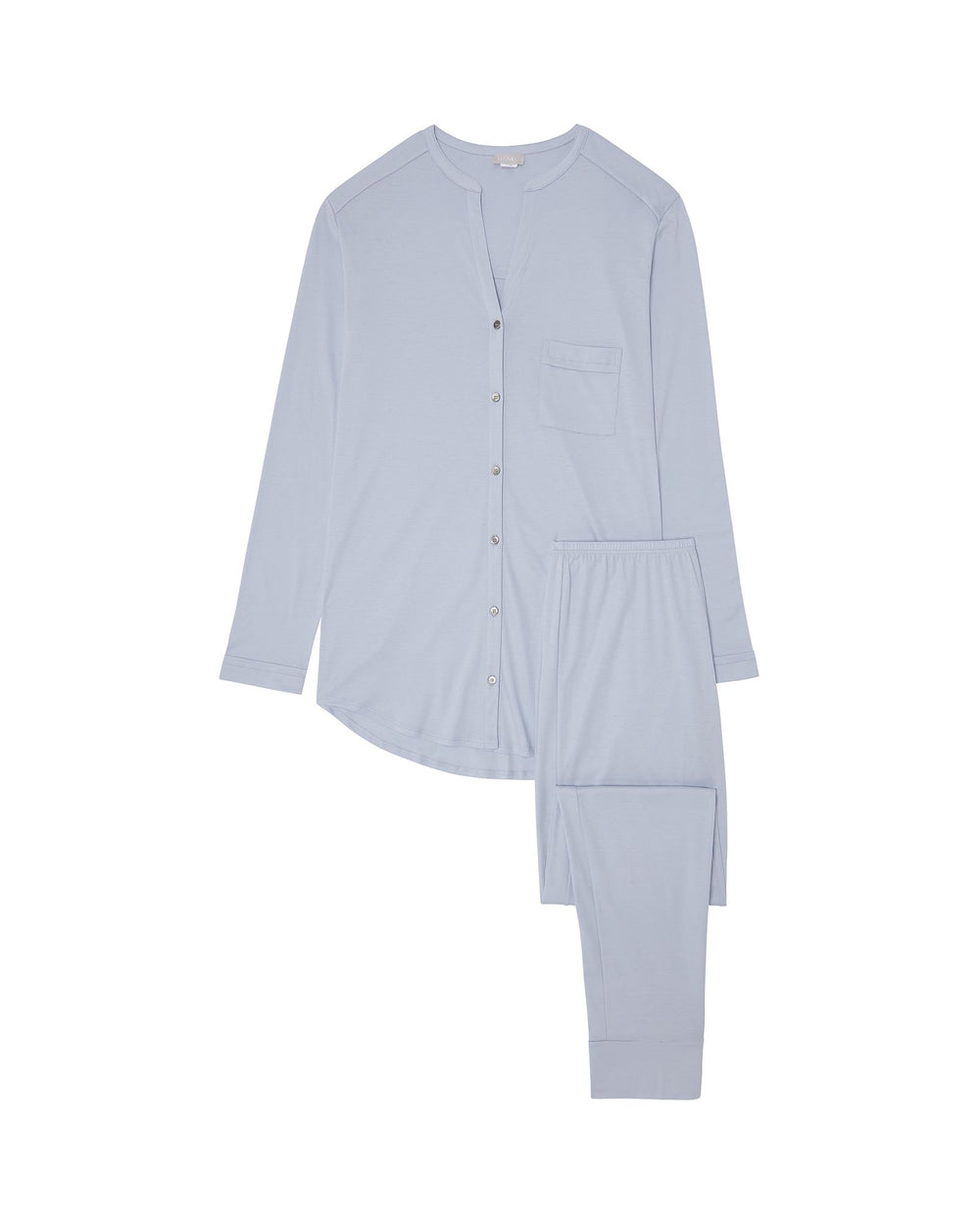
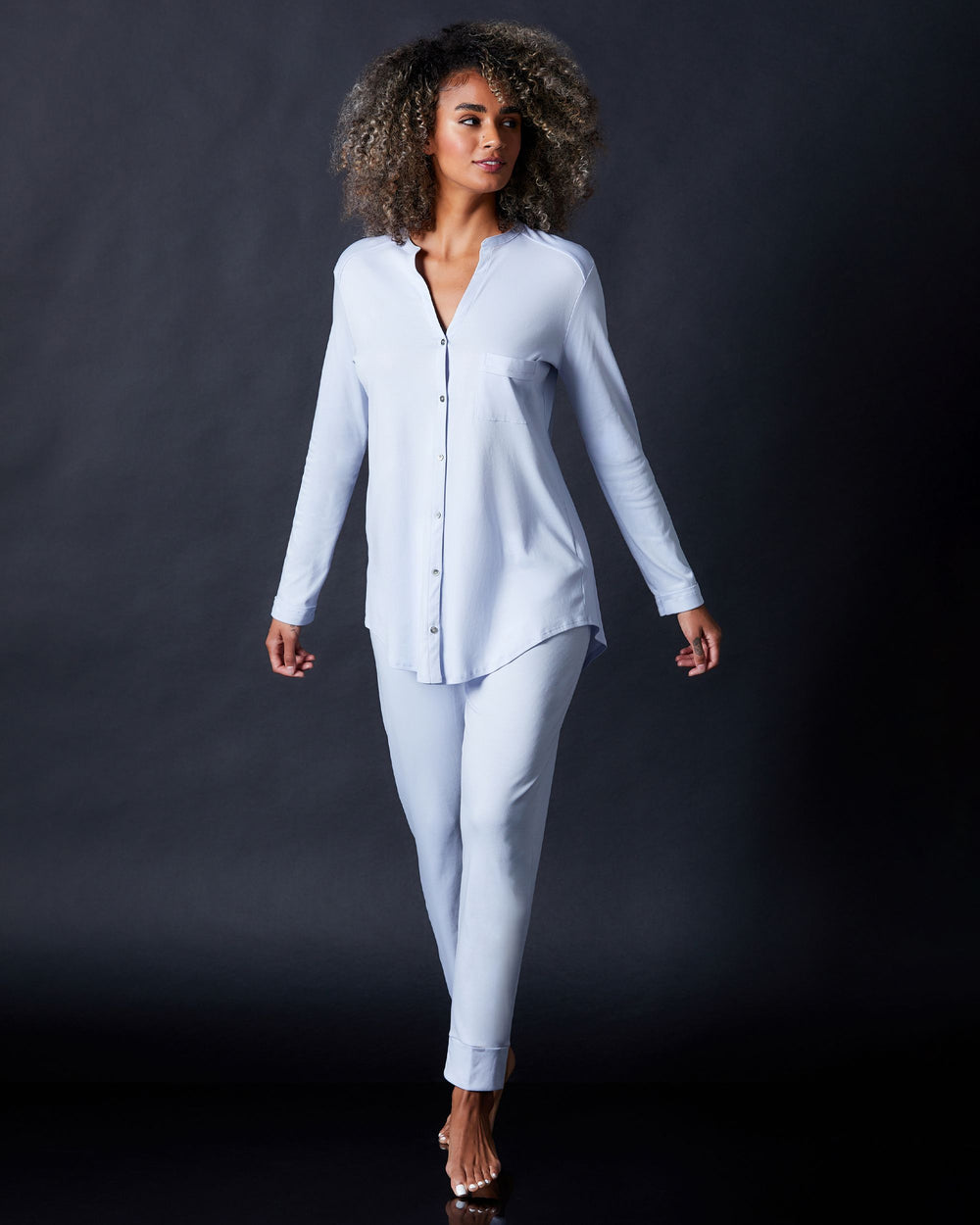
Pajama sets — a matched top and bottom — are the most structured option in sleepwear and the one most likely to cross into lounge and leisure territory. A well-made pajama set looks put-together enough for the morning school run or an afternoon at home, and comfortable enough that you'll actually want to wear it to sleep.
Silk Pajamas
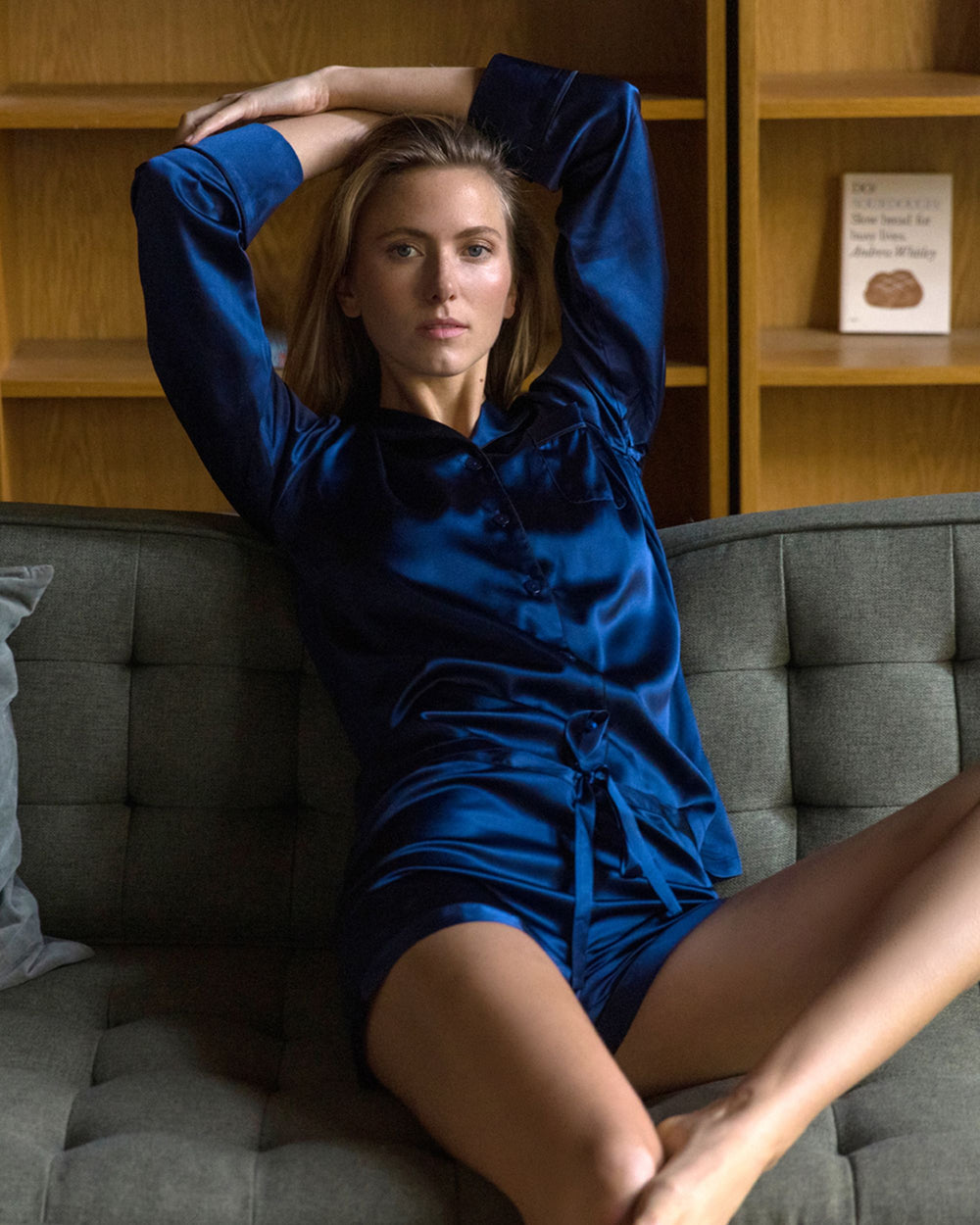
A silk pajama set is one of those purchases that requires almost no justification once you've tried it. The fabric is cool, smooth, and temperature-regulating in a way that makes it suited to sleep across seasons. Silk pajamas typically feature a relaxed button-front top — often with a notched lapel or simple collarless cut — and a drawstring or elasticated trouser. The drape is fluid without being clingy. A silk pajama set in a deep jewel tone or classic ivory is also one of the most elegant lounge looks in the category: it reads as luxurious rather than casual, even in a home setting.
Modal & Jersey Pajamas
Modal and jersey pajama sets are the everyday counterpart to silk. Modal in particular has a genuinely silky hand feel and excellent drape for a knit fabric, and it's considerably easier to care for — most modal sets are machine washable. Jersey pajamas tend to be slightly more casual in cut, often with fitted or relaxed T-shirt tops rather than woven button-front styles, and they're the right choice when you want something that feels like a step up from a basic cotton set without the care requirements of silk. They're also typically more affordable and hold up better to regular washing.
Fitter's note: Modal is our go-to fibre recommendation for clients who want silk-adjacent comfort without the care requirements. Washes easily, gets softer over time, breathes better than cotton. The best modal pyjamas we've fit are structured enough to not cling in sleep but soft enough to be the thing you reach for most nights.
Satin Pajamas
Satin pajamas — often made from polyester satin rather than silk — offer the look of luxury sleepwear at a lower price point. The visual effect is similar to silk: the fabric has a smooth, lustrous surface and a fluid drape. The practical experience is different: polyester satin doesn't breathe the way silk does, meaning it can feel warm and slightly clammy in hot conditions. That said, for cooler sleepers or for wearing in air-conditioned environments, satin pajamas are a good value option and photograph beautifully.
Cotton Pajamas
Cotton pajamas are the most breathable option and the best choice for warm sleepers or anyone who runs hot. Cotton wicks moisture more effectively than silk or modal, and it becomes softer with every wash rather than degrading. The trade-off is drape: cotton doesn't move or fall the way silk or modal does, and cotton pajamas tend to feel more utilitarian than luxurious. A high thread-count cotton — percale or sateen — is a significant step up from basic jersey cotton and worth considering if you want cotton's breathability without sacrificing all of the tactile pleasure.
Fitter's note: Cotton is the hardest-working fibre for sleep but only in the right weight. Too light and it wrinkles into ridges that wake you up; too heavy and it traps heat. Look for 100-gsm cotton lawn or 130-gsm cotton sateen for the sweet spot.
Shop Pajama Sets
Robes & Wraps
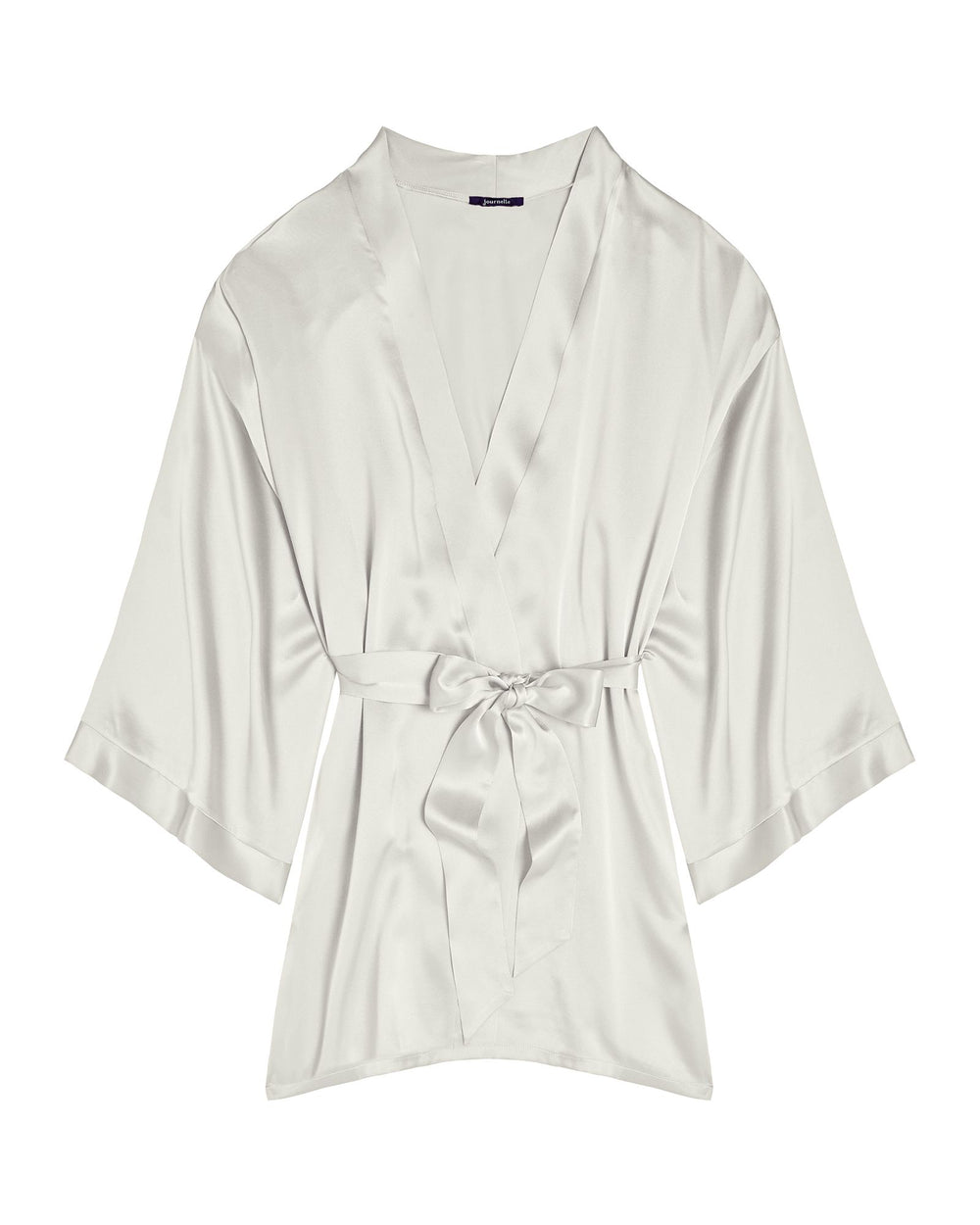
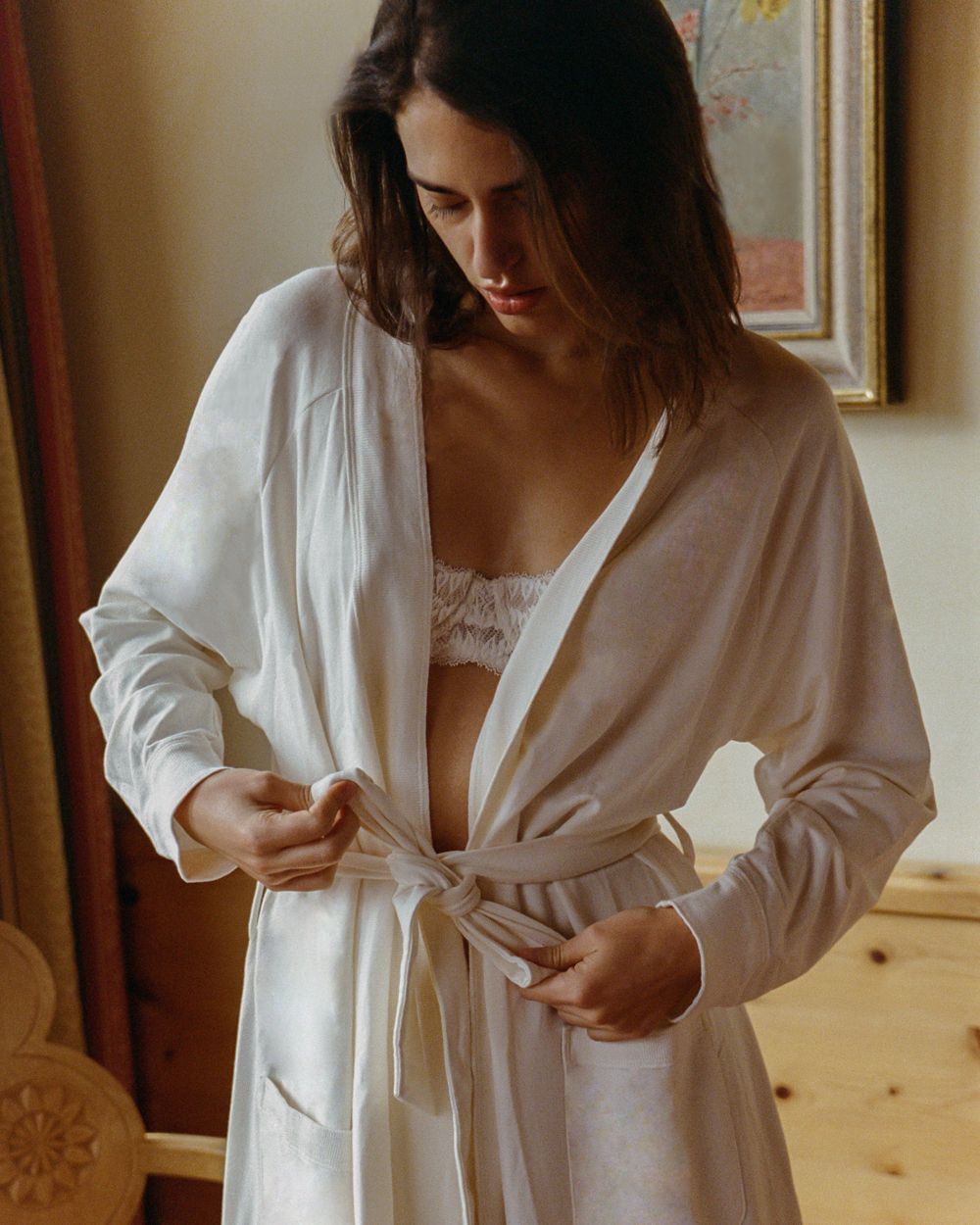
A good robe is the piece that completes a sleep wardrobe. Worn over a chemise or pajama set for the first and last hours of the day, it adds warmth, coverage, and — in the right fabric — a level of ease that feels genuinely indulgent. Robes are also among the most useful pieces in the lounge category: a silk kimono over a basic outfit, or a thick modal wrap for working from home in the mornings, functions as both a practical layer and a considered piece of dressing.
Silk Kimono Robe
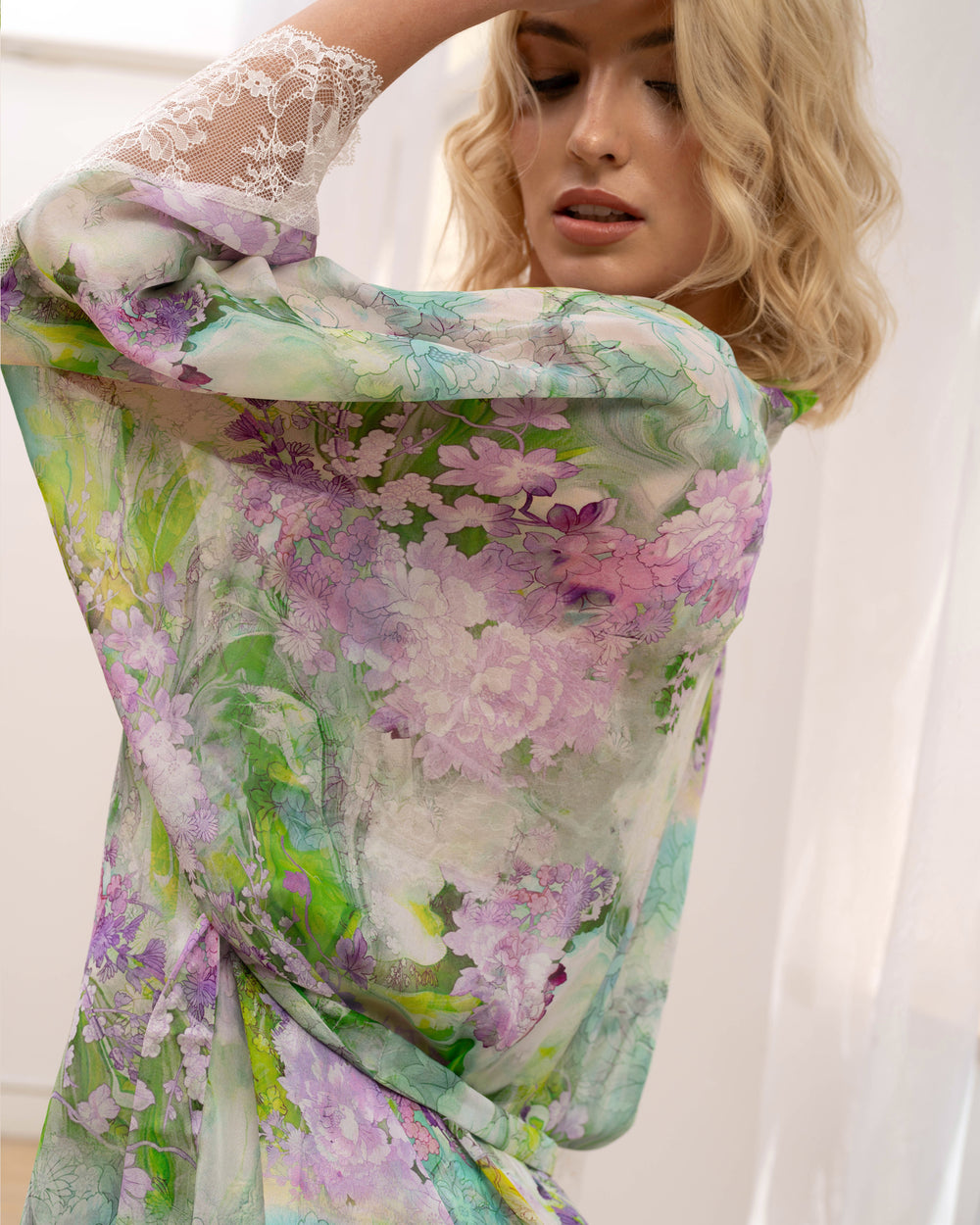
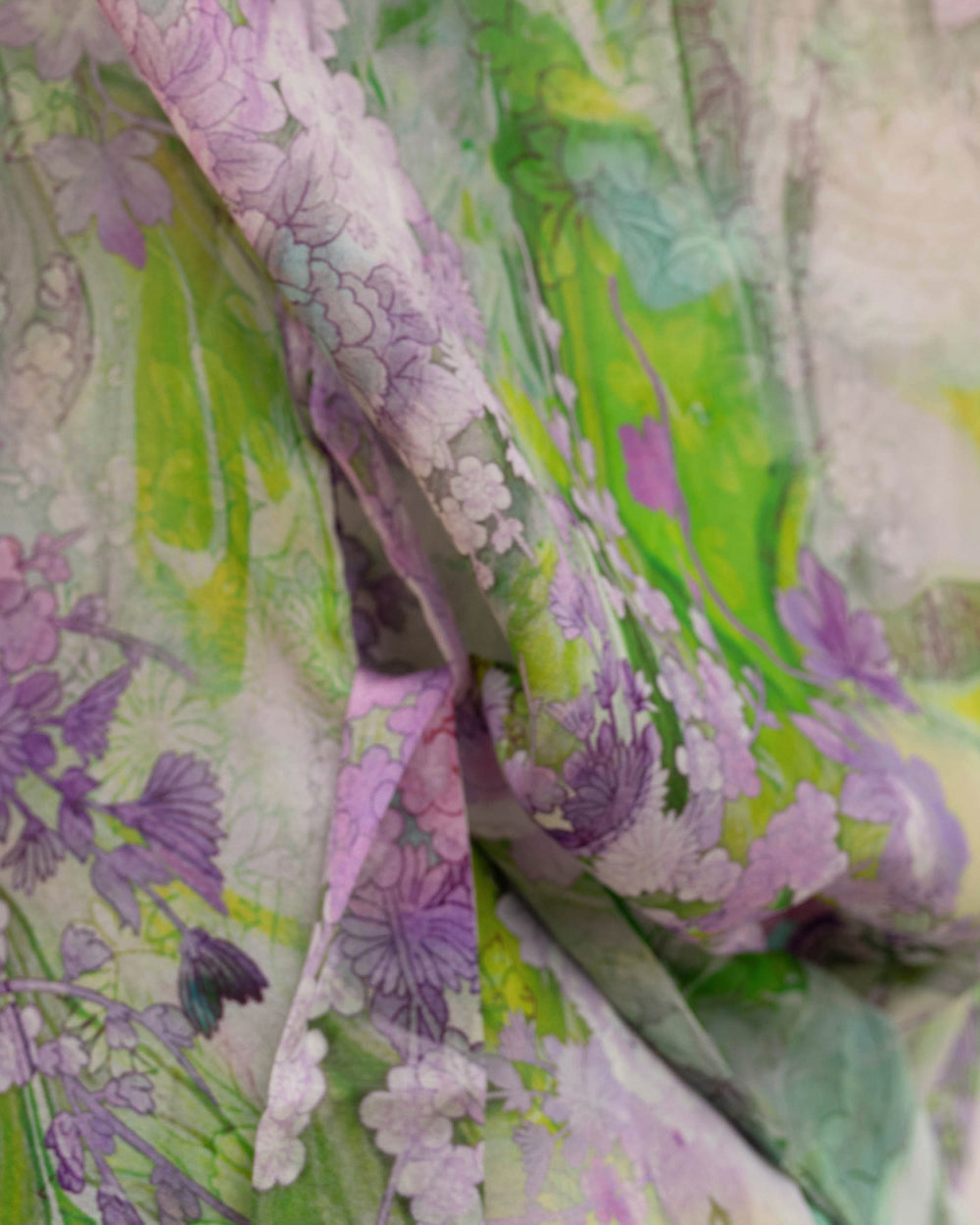
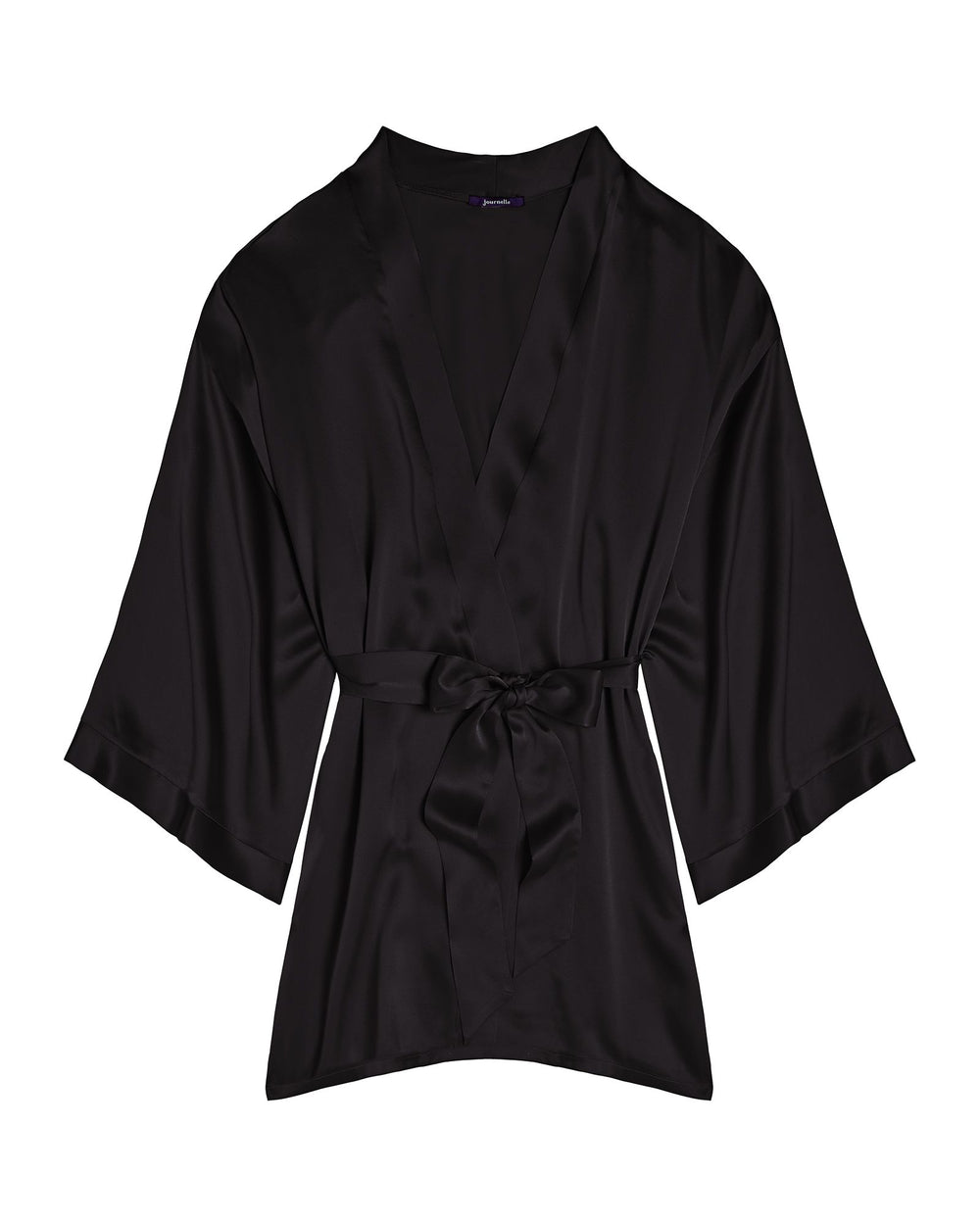
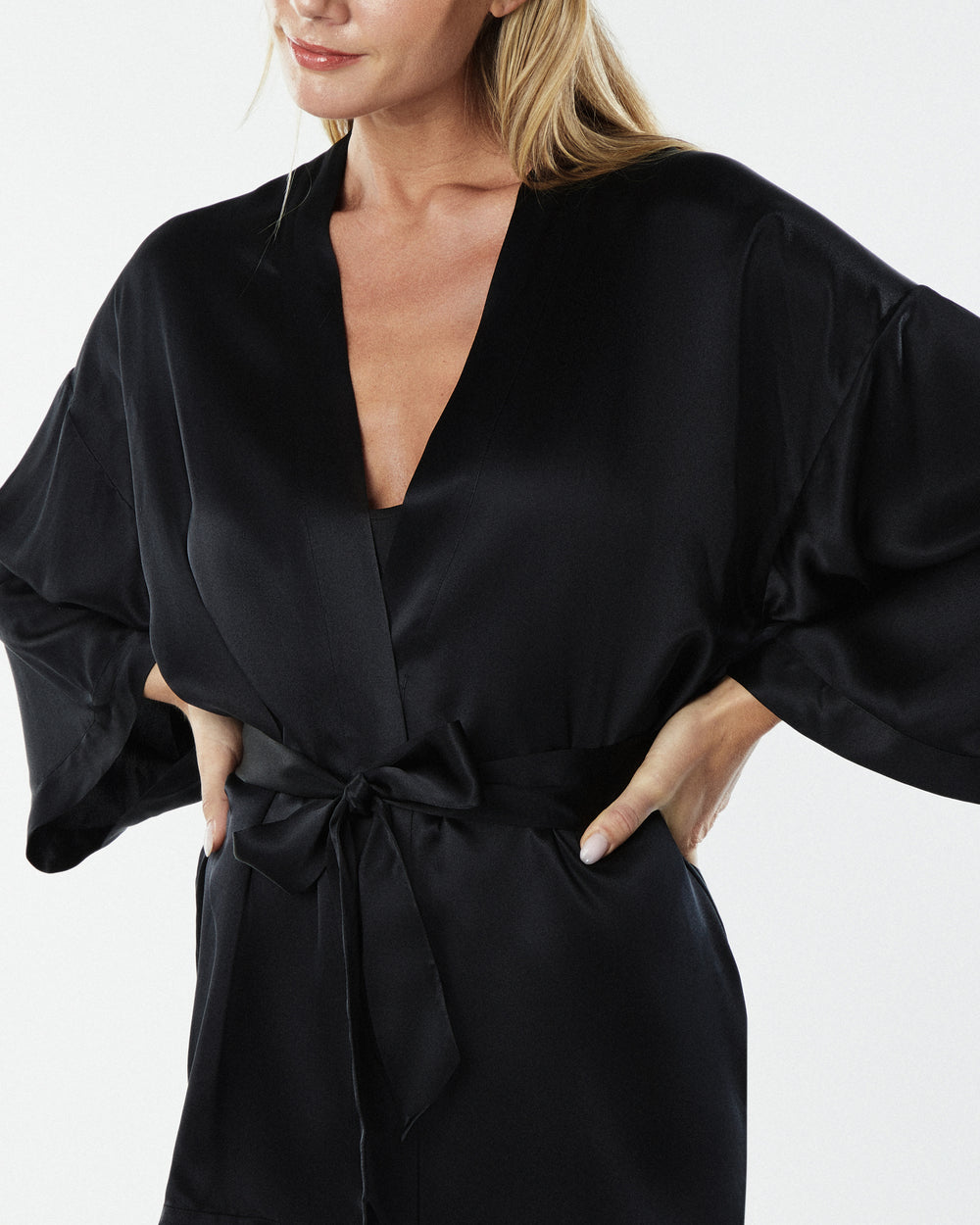
The silk kimono robe is the most versatile style in the category. Cut short (to mid-thigh) or long (to the ankle or calf), it wraps at the waist with a sash or ties loosely open, and it's light enough to be worn over almost anything without adding bulk. A short silk kimono over a chemise or slip is a complete morning look in itself. The same robe over a bodysuit and jeans becomes an outerwear layer. Silk kimono robes in floral or printed patterns are a Journelle signature, and the most photographed piece in the sleepwear category. See our post on wearing lingerie like a French woman for how to incorporate silk robes into everyday dressing.
Long Robe
A long robe — floor-length or ankle-length — provides more coverage and warmth than a short kimono and has a different register of elegance: more formal, more dramatic, more suited to the kind of leisurely morning where you want to feel looked-after. Long robes in silk or satin are the Hollywood dressing room archetype and still work for the same reason: they make standing in a kitchen feel like an event. Long modal or velvet robes are warmer and more suited to cooler months or homes without central heating.
Modal or Jersey Wrap
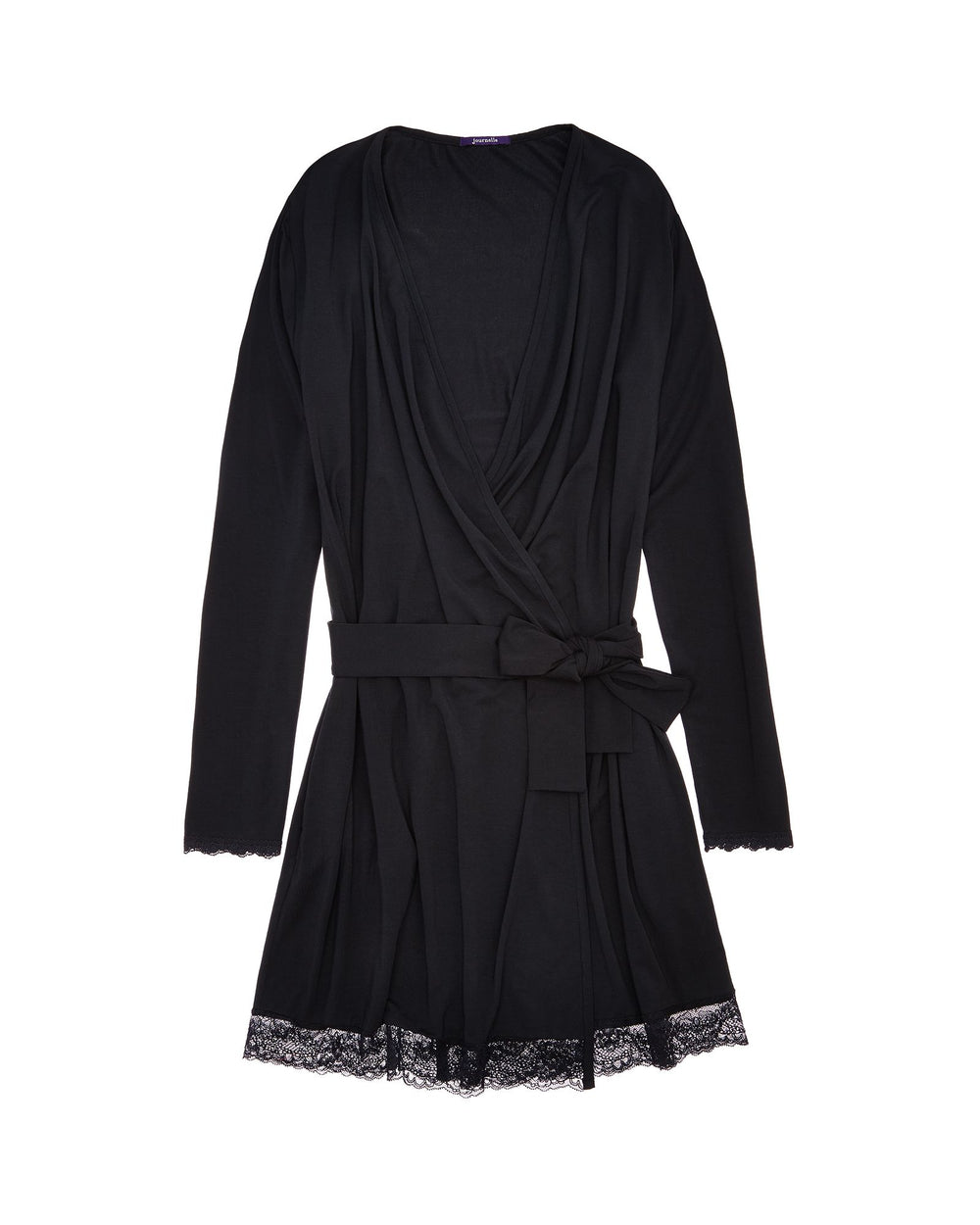
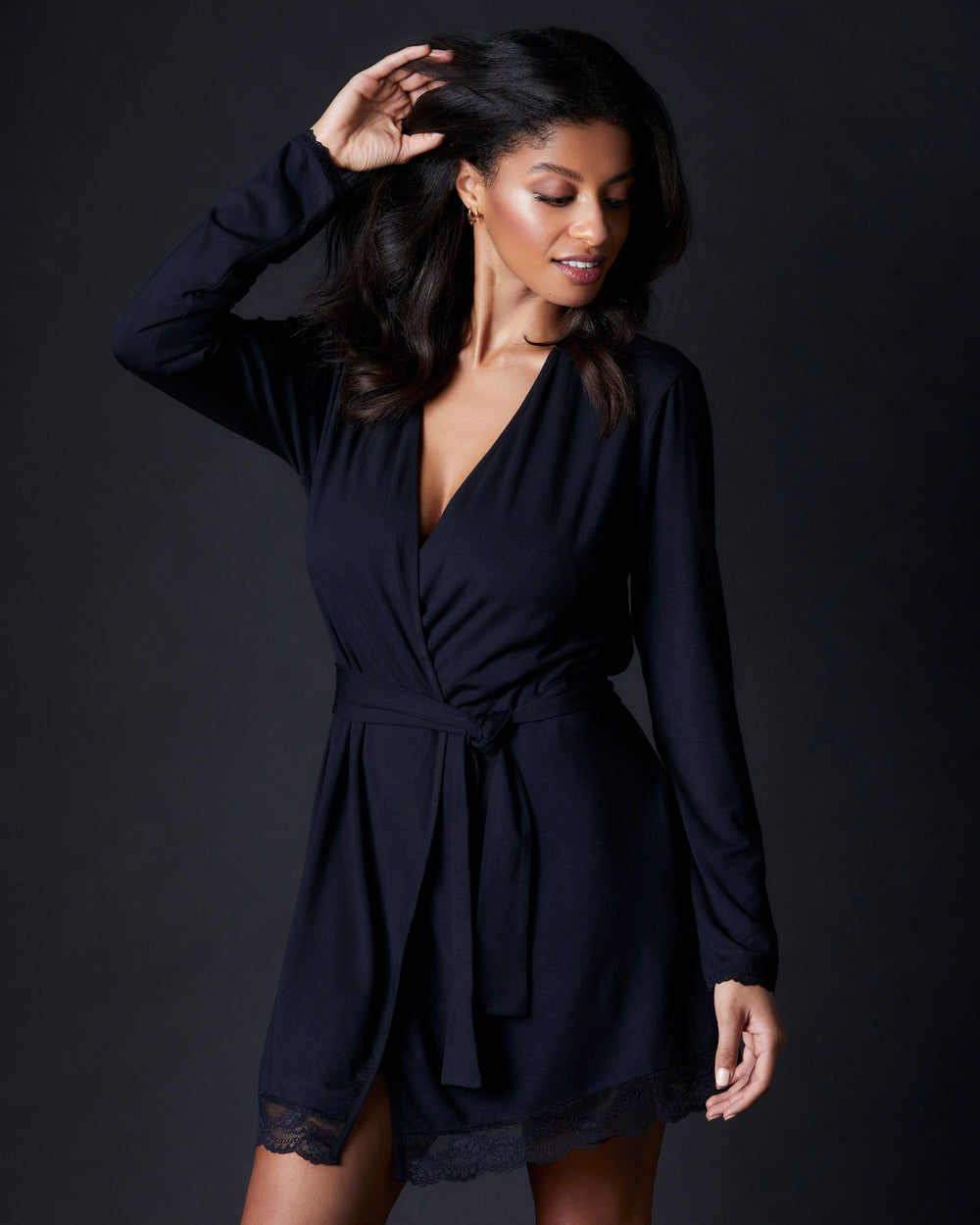
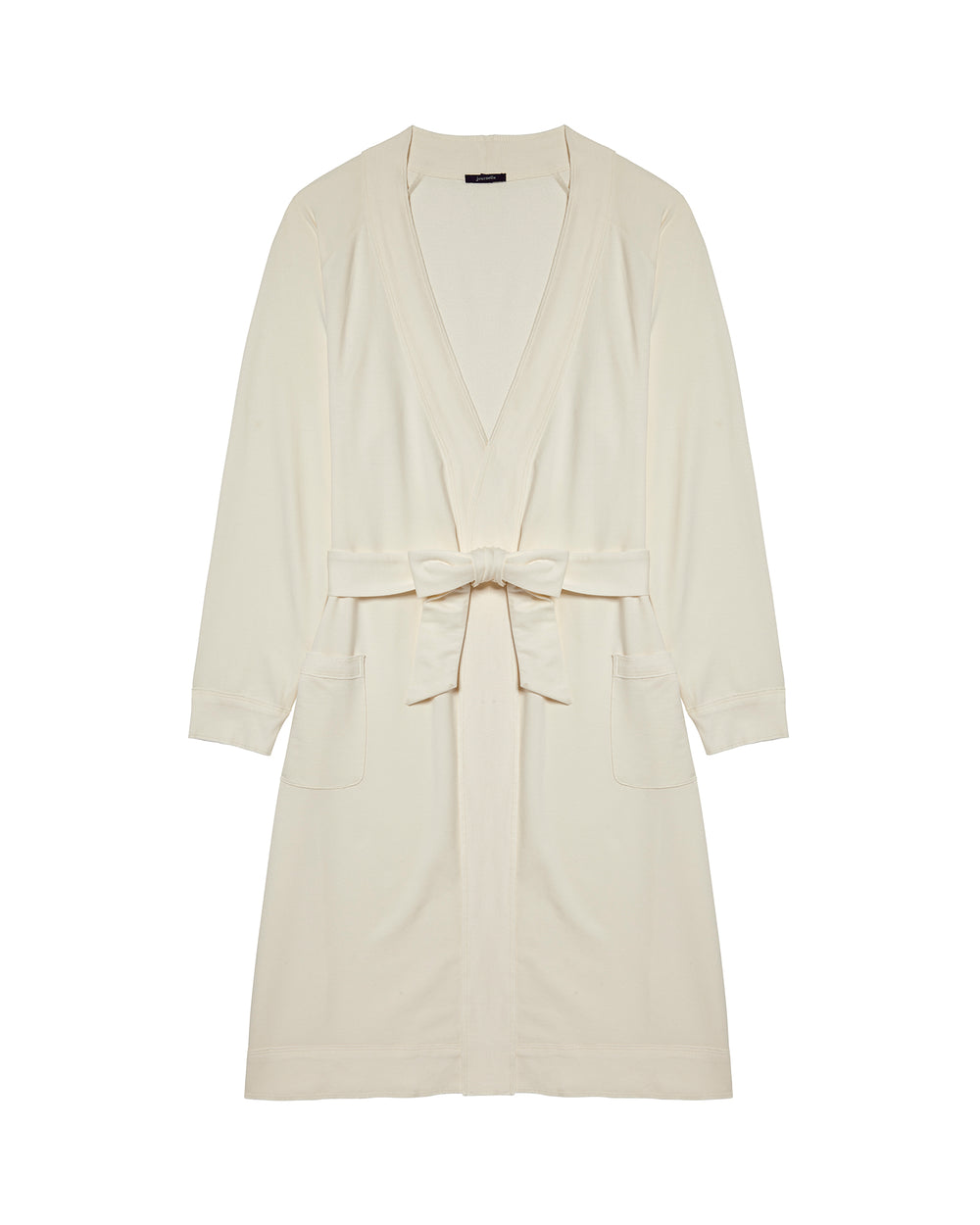
A modal or jersey wrap robe is the most practical choice in the category — soft, machine washable, and functional enough for daily wear without the care requirements of silk. Wrap robes in modal often have a slightly more structured silhouette than a kimono: a belt that ties properly, a lapel that lies flat, a hem that stays in place. They're the right choice when you want something that feels considered but that you'll actually throw on without thinking twice.
Kimono vs. Robe: What's the Difference?
The terms are often used interchangeably, but in sleepwear, a kimono typically refers to a lighter, shorter style — often with wider sleeves and a looser wrap — while a robe tends to be longer, heavier, and more structured. Kimonos are the better warm-weather option; robes are the better cold-weather one. Both are worth owning if you use sleepwear regularly.
Fitter's note: Robe fit has one rule — the tie belt should hit at your natural waist, not your hips. Long-tie-belt robes that sit low are the most common lounge mistake; they look shapeless on everyone. A well-fitted robe has a belt that cinches, not drapes.
Shop Robes
Lounge & Leisure
Lounge is the category between sleepwear and outerwear — garments designed for being at home, but designed with more intention than a basic sweatshirt. The lounge category has expanded significantly over the past several years, and with good reason: the way most people spend time at home has changed, and what you wear during that time is worth thinking about.
The best lounge pieces share a few qualities: they're comfortable enough to wear for hours, made from fabrics that look considered rather than thrown on, and flexible enough to work in more than one context. A modal jogger and fitted cami set that you'd wear while working from home can also work for a casual errand or a low-key dinner, depending on what you put over it. A slouchy knit set that's oversized by design reads as intentional rather than accidental.
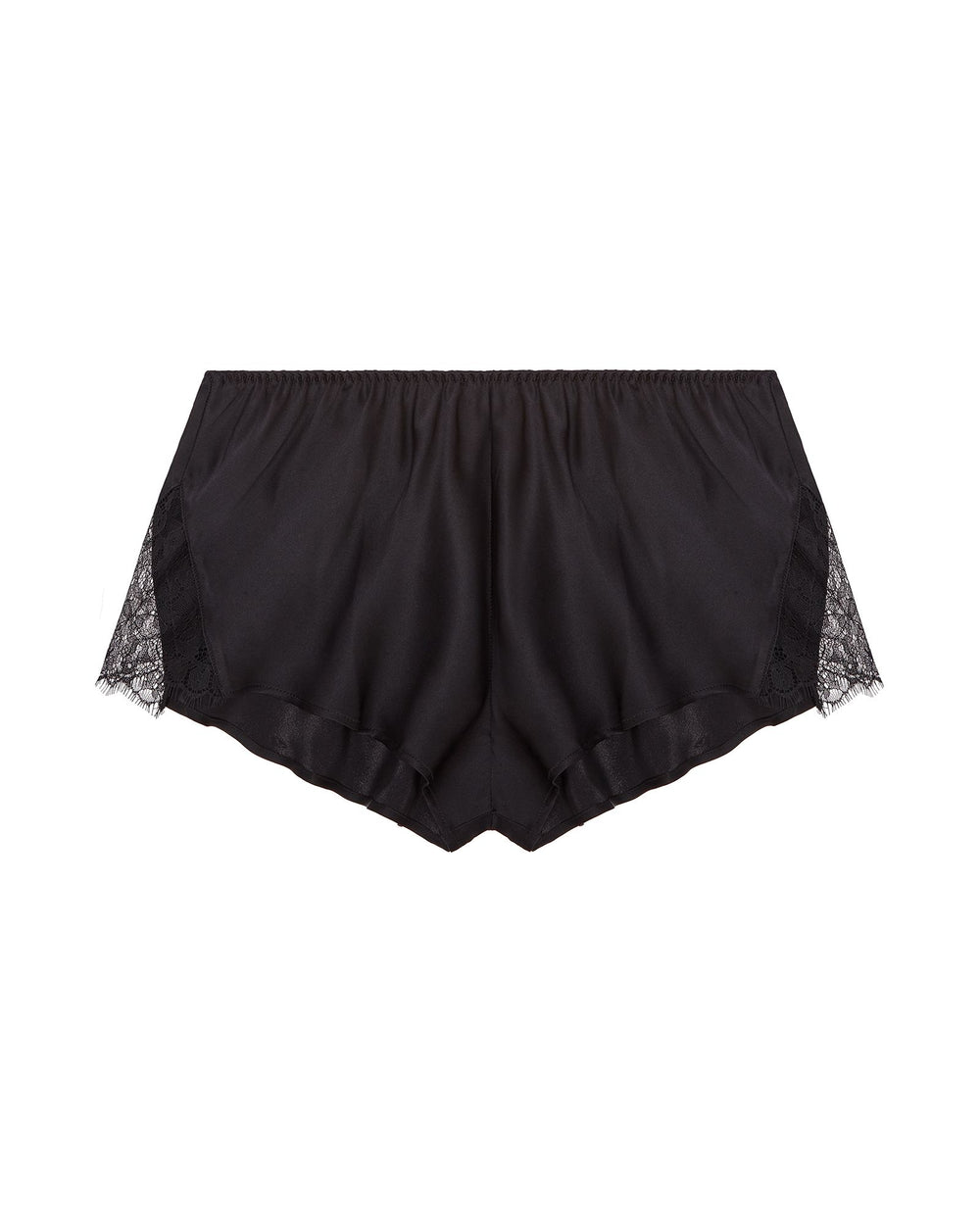
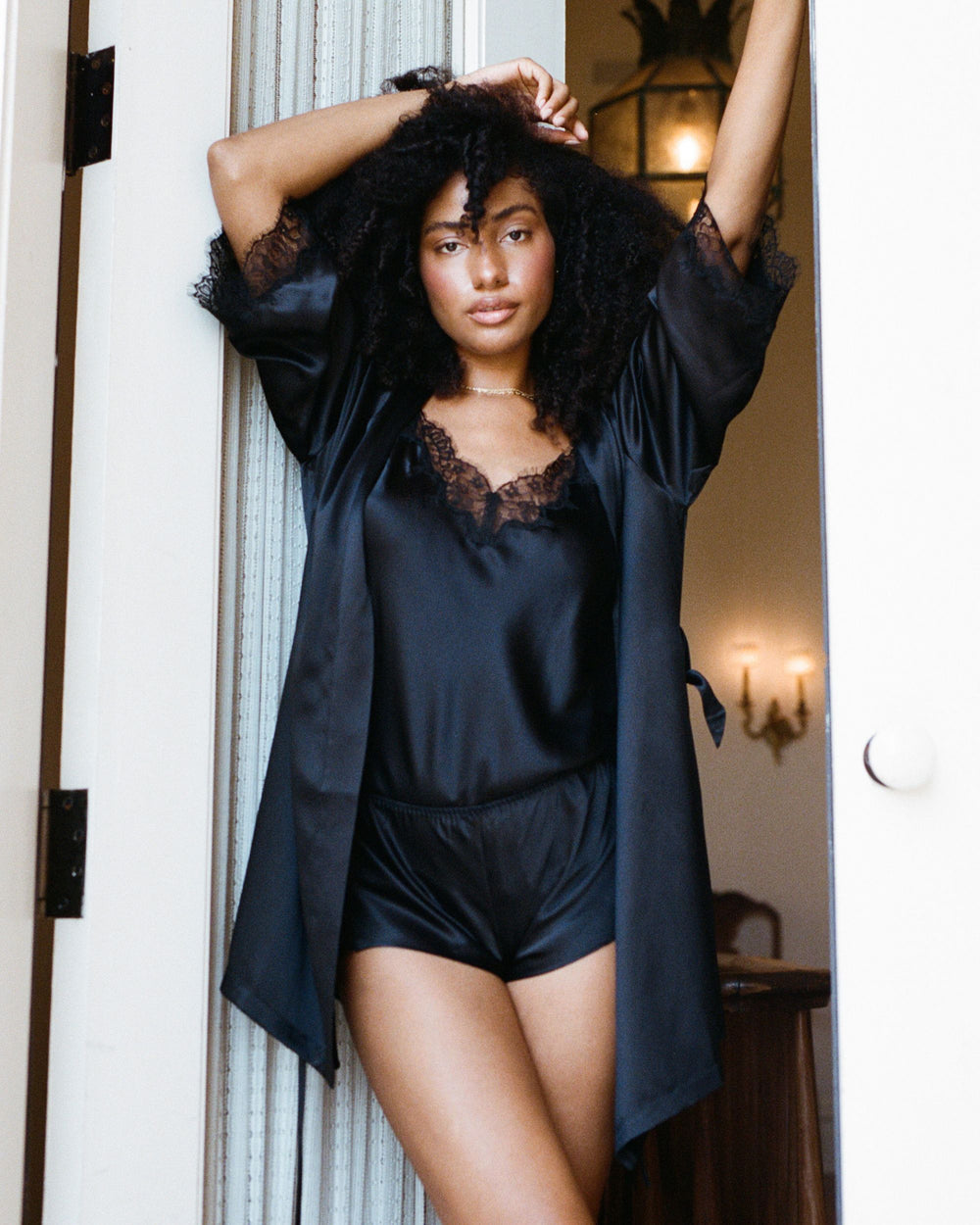
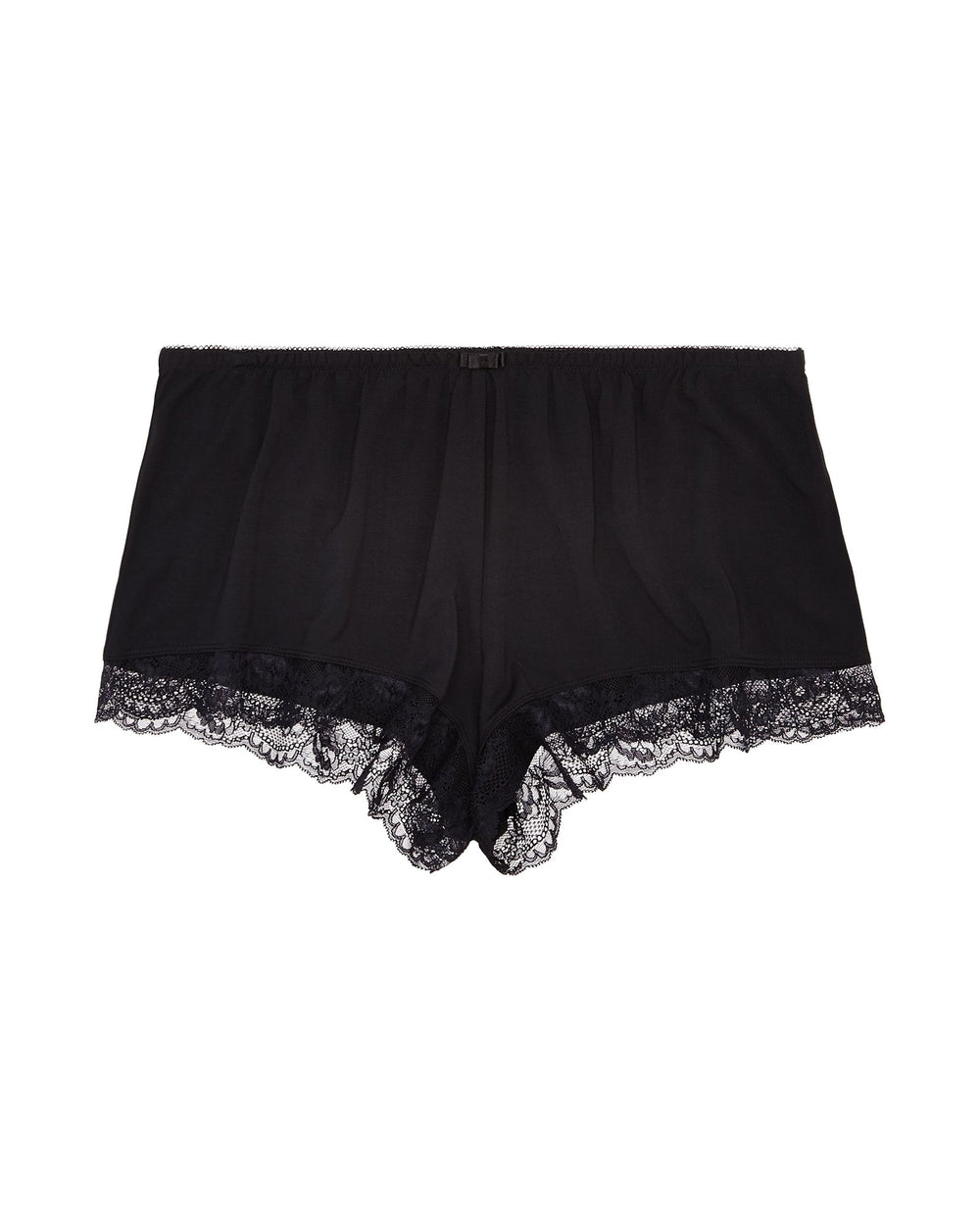
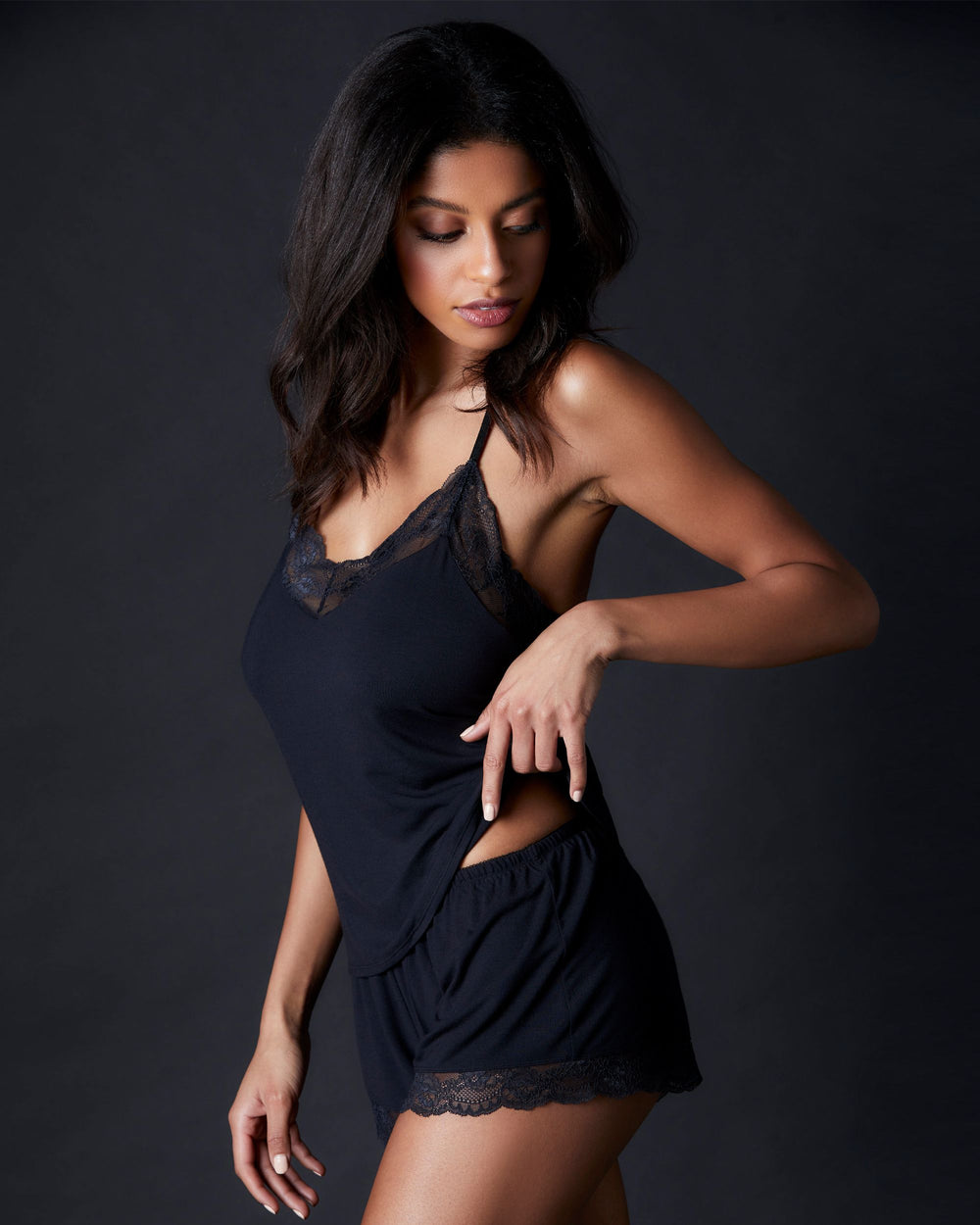
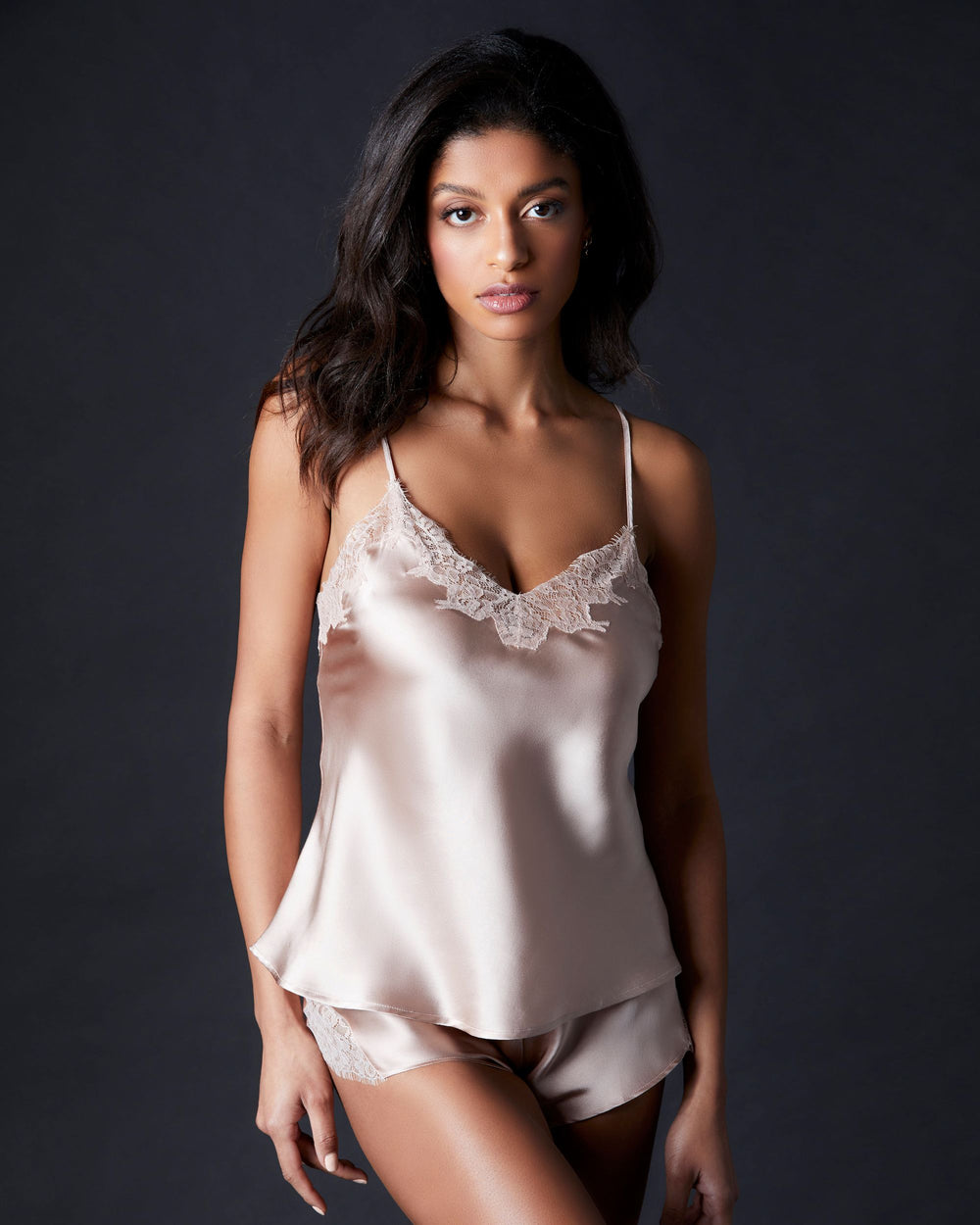
At Journelle, lounge tends toward the intimate end of the category: pieces that aren't quite outerwear, but that feel too good to be purely private. A lace-trimmed camisole and shorts set, a matching modal bralette and high-waist brief, a soft knit set that pairs with mules — this is the aesthetic register we find most interesting, and the one that overlaps most naturally with the rest of the lingerie wardrobe.
For curated sleepwear and lounge picks, see our post on the best lounge and sleepwear for a luxurious night in and our earlier feature on stepping up your PJ game.
Shop Journelle Loungewear
Fabric Guide
In sleepwear more than most categories, fabric is the determining factor in how a garment actually performs. The differences between silk, modal, cotton, and satin aren't merely aesthetic — they affect temperature regulation, moisture management, and how the garment feels after hours of continuous wear.
Silk
The gold standard for sleepwear. Silk is a natural protein fiber that regulates temperature bidirectionally: it feels cool when you first get into bed and gradually warms with the body. It wicks moisture gently without becoming clammy, is naturally hypoallergenic, and has a drape and hand feel that no other fabric matches. Silk also has documented benefits for skin and hair — its smooth surface causes less friction than cotton, which is why silk pillowcases have become such a well-known recommendation. The care requirements are real (hand wash or delicate cycle, cool water, air dry) but the garments produced are worth it. For sleepwear worn regularly, silk is an investment that justifies itself quickly.
Modal
Modal is a semi-synthetic fabric made from beech tree pulp, and it's the most practical high-quality option for everyday sleepwear. It has a genuinely silky hand feel and natural drape that puts it well above cotton in terms of tactile experience, and it's machine washable, resistant to shrinkage, and holds its color well over repeated washing. Modal doesn't regulate temperature quite as well as silk, but it's soft enough and breathable enough for year-round sleepwear. For anyone who wants the feel of a luxurious fabric without the care requirements of silk, modal is the answer.
Cotton
Cotton is the most breathable fabric in the sleepwear category and the best choice for warm sleepers. It wicks moisture effectively, softens with washing, and is the most durable option for garments that will be washed frequently. The trade-offs are drape (cotton doesn't flow the way silk or modal does) and feel (it can feel rough or stiff by comparison, particularly at lower thread counts). Lightweight percale cotton and soft jersey cotton are both comfortable enough for sleep; woven cotton pajama sets in a higher thread count approach the comfort of modal without sacrificing breathability.
Satin
"Satin" in sleepwear most often refers to polyester satin rather than silk satin. It looks similar — smooth, lustrous, fluid — but performs quite differently. Polyester doesn't breathe and doesn't wick moisture, making it a poor choice for warm sleepers or hot climates. For cool sleepers or air-conditioned environments, it's a more affordable way to get the aesthetic qualities of silk sleepwear. If breathability matters to you, look for silk satin or crepe-back satin rather than polyester.
Velvet & Velour
Velvet robes and velour lounge sets are the cold-weather end of the sleepwear spectrum. Velvet in particular has a weight and softness that makes it well suited to a winter robe or dressing gown — it's warm, drapes beautifully, and has a visual richness that cheaper fabrics don't achieve. Velour (a knit fabric with a similar surface texture) is more casual and more comfortable for movement, making it better suited to lounge sets. Both require gentle washing and should be steamed rather than ironed.
Building a Sleep Wardrobe
The most useful sleep wardrobe covers a range of temperatures, occasions, and moods — which in practice means having a few different styles rather than multiples of the same thing. Here's how to approach it.
The Foundation: One Great Chemise
Start with a single chemise in a fabric you'll actually want to wear. For most people, this means silk or modal. A silk chemise in a neutral — ivory, blush, soft black — is the most versatile starting point: it works in warm weather and cool weather alike, it pairs with any robe, and it's suitable for sleep, for lounge, and for those moments when you want to feel put-together at home without actually getting dressed.
The Layer: A Robe
A robe is what makes a sleepwear wardrobe feel complete. A silk kimono for warmer months and a longer modal or velvet robe for winter covers the full range. If you're starting with one, a short silk kimono in a print or jewel tone is the most versatile option — it works across seasons and has a visual interest that a plain robe doesn't.
The Alternative: A Pajama Set
A pajama set is the right addition if you want more coverage than a chemise provides, or if you want something that functions as both sleepwear and at-home daywear. A modal set is the most practical choice; a silk set is the most indulgent. Having one option in each category — a chemise for warm nights, a pajama set for cooler ones or for mornings when you want to feel covered — covers most situations.
The Nice-to-Have: A Lounge Set
A lounge set — a matched top and bottom in soft fabric, designed for home rather than sleep — is worth adding once the basics are in place. Look for pieces that can work together and separately, and that are made from a fabric you'd genuinely enjoy wearing for several hours at a stretch. Modal and jersey sets are the most practical; a lace-trimmed cami set is a step toward the more intimate end of the lounge category.
Care Guide
Sleepwear is worn more frequently than most lingerie, which makes care more consequential. The right approach extends the life of delicate fabrics significantly. For a complete guide to caring for all your lingerie and sleepwear, see our post on how to care for your lingerie.
- Silk: Hand wash in cool water with a gentle or silk-specific detergent. Avoid wringing — press water out gently, roll in a clean towel to remove excess, then lay flat or hang to dry away from direct sunlight. Iron on the lowest setting on the reverse, or use a steamer. Store folded rather than hanging to avoid distortion over time.
- Modal and jersey: Machine wash on a gentle or delicate cycle in cool water. Lay flat to dry or tumble dry on low heat. Modal holds its shape and color well and is the most forgiving fabric to care for in this category.
- Satin (polyester): Machine wash on a gentle cycle in cool water. Tumble dry on low or air dry. Avoid high heat — polyester can snag and pill with rough washing or high-heat drying.
- Cotton: Machine wash in cool or warm water. Tumble dry on low. High heat will shrink cotton; washing in cool water and drying at low heat prevents most shrinkage. Cotton softens with repeated washing rather than degrading.
- Velvet and velour: Hand wash or gentle cycle in cool water. Never wring. Air dry. Steam to restore the pile — ironing velvet directly will crush the surface. Store hanging rather than folded to prevent pile compression.
- Lace trim: Regardless of the base fabric, garments with lace trim benefit from hand washing or a mesh laundry bag. Lace catches and distorts in regular machine washing.
Frequently Asked Questions
What is the best fabric for sleepwear?
Silk is the most luxurious and technically best-performing fabric for sleep: it regulates temperature naturally, is hypoallergenic, and feels genuinely good against the skin. For everyday practicality, modal is the strongest alternative — it has a silky hand feel and excellent drape, washes easily, and is significantly more affordable than silk. Cotton is the best choice for warm sleepers who prioritize breathability over drape.
What's the difference between a chemise and pajamas?
A chemise is a single piece — a loose, short garment worn on its own, designed to be simple and comfortable. Pajamas are a set: a top and a bottom, typically with more structure and coverage. Chemises are better for warm nights and anyone who finds structured sleepwear uncomfortable; pajamas offer more coverage and work better as lounge pieces that can be worn throughout the day at home.
Are silk pajamas worth it?
Yes, with caveats. Silk pajamas are significantly more expensive than modal or cotton alternatives, and they require hand washing. If you're willing to care for them properly and you spend time at home in the mornings, silk pajamas are one of those purchases that pays off consistently — they're more comfortable than anything else, they look genuinely beautiful, and they last for years with appropriate care. If you want the feel without the full cost, a silk chemise is a less expensive entry point than a full silk pajama set.
What should I wear to bed?
What you wear to bed is partly a practical question (temperature, how you move in your sleep, whether you find structured waistbands uncomfortable) and partly a preference question (how much coverage you want, what fabric feels good to you). A silk or modal chemise is the most universal starting point: it's comfortable across a wide range of temperatures, doesn't restrict movement, and has no waistband or closures to contend with. If you run cold, adding a lightweight robe or opting for a pajama set gives you more warmth without sacrificing comfort.
What's the difference between a kimono and a robe?
In sleepwear, a kimono typically refers to a shorter, lighter style — often in silk or satin, with wider sleeves and a loose wrap — while a robe is typically longer, heavier, and more structured. Kimonos are better for warmer weather and layering; robes are better for cold evenings and more substantial coverage. Both are worth having if you use sleepwear regularly, as they serve slightly different moments of the day.
What is lounge wear?
Loungewear is the category between sleepwear and outerwear — garments designed for being at home, made with more intention than basic sweats. At the luxury end, lounge includes silk kimono robes, modal sets, and lace-trimmed cami sets: pieces that feel beautiful to wear even in entirely private settings. At Journelle, lounge tends toward the intimate end of the category — pieces that overlap with lingerie in fabric and aesthetic, worn in the hours before and after getting dressed.
How do I wash a silk robe?
Hand wash in cool water with a gentle detergent or a product formulated for silk (Delicate Wash by The Laundress, Woolite Delicates, or similar). Submerge the robe, swish gently without scrubbing or wringing, then rinse thoroughly. Press the water out gently and roll the robe in a clean dry towel to absorb excess moisture. Hang or lay flat to dry away from direct sunlight. Iron on the lowest setting on the reverse side only, or steam. Never put silk in the dryer.
Shop Sleepwear & Lounge at Journelle
The right sleepwear wardrobe makes the hours at either end of the day feel more considered and more comfortable. Whether you're looking for a silk chemise, a matching pajama set, a robe to wear over everything, or a lounge set for mornings at home, the options at Journelle are chosen for fabric quality, thoughtful construction, and the kind of enduring style that doesn't depend on what's trending.
Browse the full sleepwear collection to find yours.