
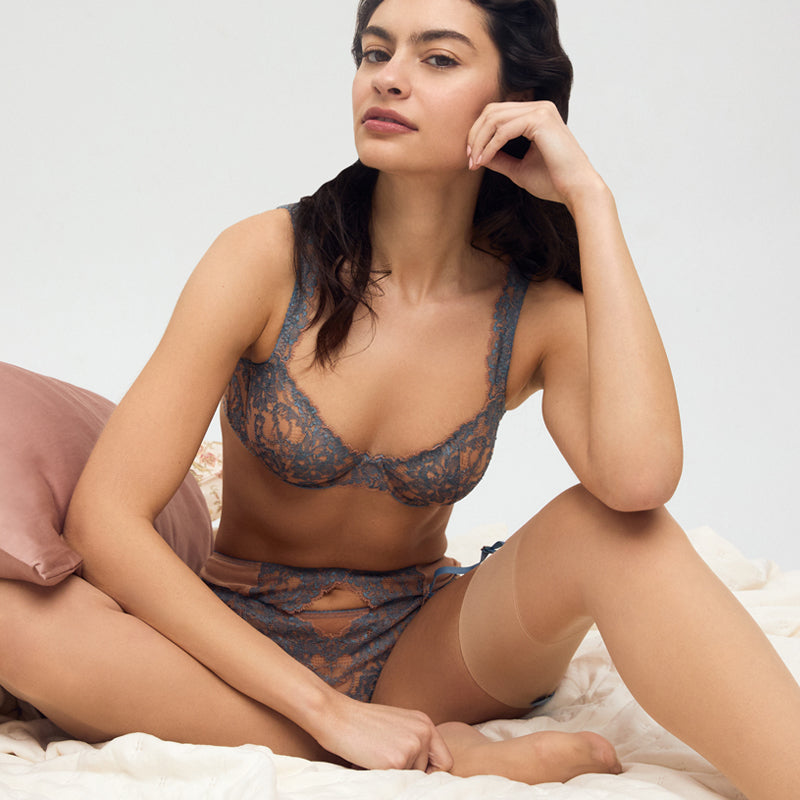

The Hosiery & Legwear Guide
Reviewed by Natalie, Senior Fitter at Journelle. Hosiery sits at the far edge of the lingerie category, but it's also the piece most often returned because of sizing confusion — this guide walks through denier, cut, and fit so the piece you buy is the piece that lasts.
Hosiery is one of the most technically specific categories in the lingerie wardrobe — and one of the most rewarding to understand. The difference between a hold-up and a thigh-high, the meaning of denier, why stockings stay up with a garter belt while tights slide down: these aren't trivial distinctions. They determine whether legwear works for a given outfit, lasts through a full day, and feels like a considered choice rather than an afterthought. This guide covers every style in the category, how to choose by occasion and outfit, and how to wear them well.
The Legwear Landscape
The legwear category is broader than most people give it credit for. At the functional end, tights provide coverage and warmth under skirts and dresses. At the decorative end, seamed stockings with a garter belt are a considered aesthetic choice — one with a long history in fashion and lingerie. Between those poles sits a range of styles, each with a specific logic: hold-ups that stay up without a belt, thigh-highs in fine lace that are as much lingerie as legwear, fishnet tights that add texture to an otherwise simple outfit.
Understanding the category starts with the basic distinction between stockings and tights. Stockings cover the foot and leg to the thigh; they require either a garter belt or silicone grip to stay up, and they leave the upper body uncovered. Tights cover from foot to waist, held up by their own construction. Hold-ups are stockings with silicone bands at the top — they stay up independently, without a garter belt. Everything else in the category — thigh-highs, knee-highs, bodystockings — is a variation on these basic constructions.
Shop Hosiery



Stockings, Thigh-Highs & Hold-Ups
Stockings
Stockings are the traditional form of hosiery — a single leg covering that runs from the foot to the mid-thigh or upper thigh, designed to be held in place by a garter belt or suspender belt. They have no elastic band at the top (unlike hold-ups) and no waistband (unlike tights): the garter clips attached to the garter belt grip the welt — a reinforced band of fabric at the stocking's top — and keep the stocking in place.
Stockings come in plain, seamed, and patterned versions. A plain stocking in sheer nylon is the most classic option for evening and bridal wear. A seamed stocking — with a line running up the back of the leg — is a more deliberately vintage-inflected choice with a strong visual presence. Both are worn with garter belts, which have their own aesthetic contribution to the overall look.
Thigh-Highs
Thigh-highs are stockings designed to be worn without a garter belt — they're cut to end at the mid-thigh, where an elastic or lace band holds them in place against the leg. The distinction between thigh-highs and hold-ups is largely semantic at this point; both terms refer to stockings that stay up independently. However, "thigh-highs" is more often used for fashion-forward and lace-topped styles, while "hold-ups" tends to describe more functional, everyday styles with silicone grip bands.
Thigh-highs in lace or fine sheer fabrics are firmly in lingerie territory — worn for their aesthetic effect rather than for warmth or coverage. They're a natural partner for a matching bra and brief set, a bodysuit, or a corset, and they're among the most photographed pieces in the lingerie category.
Hold-Ups
Hold-ups are the most practical member of the stocking family. They look like stockings — they cover from foot to mid-thigh — but stay up without a garter belt via a silicone grip strip sewn inside the band at the top. The silicone grips the skin and keeps the stocking in place through movement. Hold-ups are the right choice when you want the look of stockings without the complexity of a garter belt — under an outfit where the garter belt would be invisible anyway, or for an occasion where practicality takes precedence.
Hold-ups work best when the silicone band fits snugly — not tightly, but with enough contact to maintain grip. They slide down when the band is too loose or when oil or lotion has been applied to the thigh. Avoid body lotion on the upper thigh if you're planning to wear hold-ups.
Knee-Highs
Knee-highs are a functional legwear option — they cover from foot to just below the knee, typically with a soft elastic band that holds them in place. They're practical for wearing with trousers (adding warmth and preventing static cling) and less visible than thigh-highs or tights. At the luxury end of the hosiery category, knee-highs in fine sheer nylon or in cable-knit wool are a considered choice for cooler weather.
Garter Belts & Suspenders
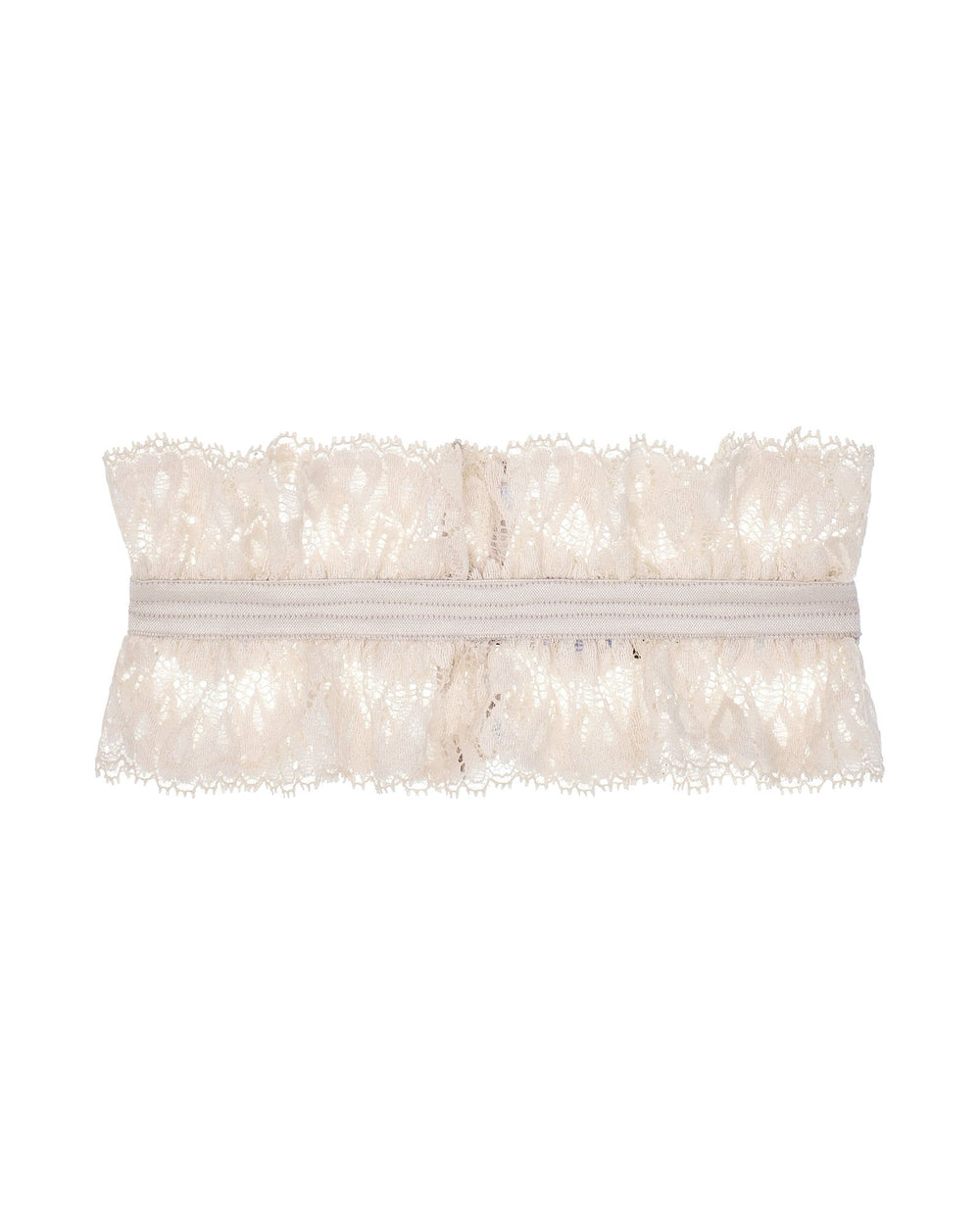
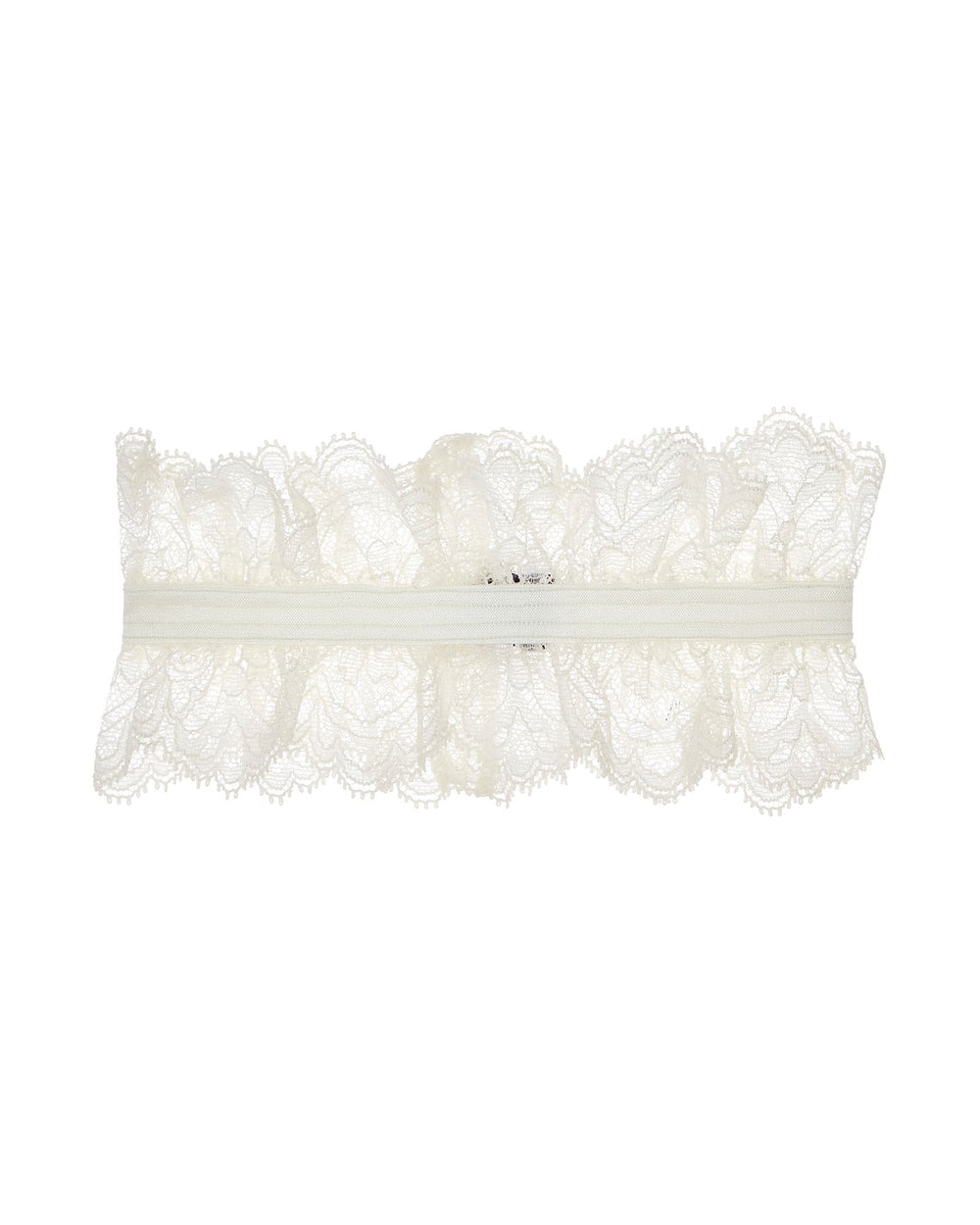
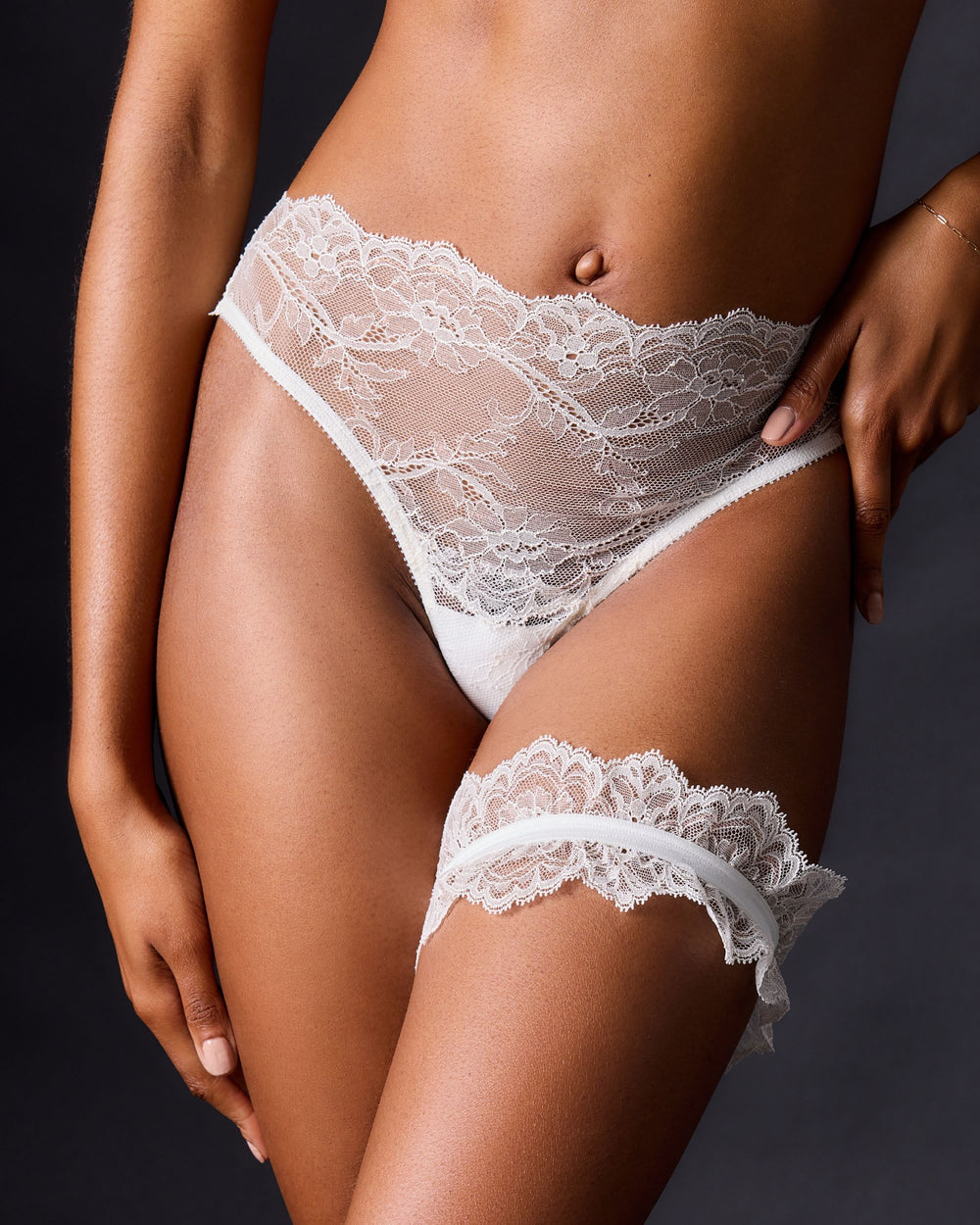
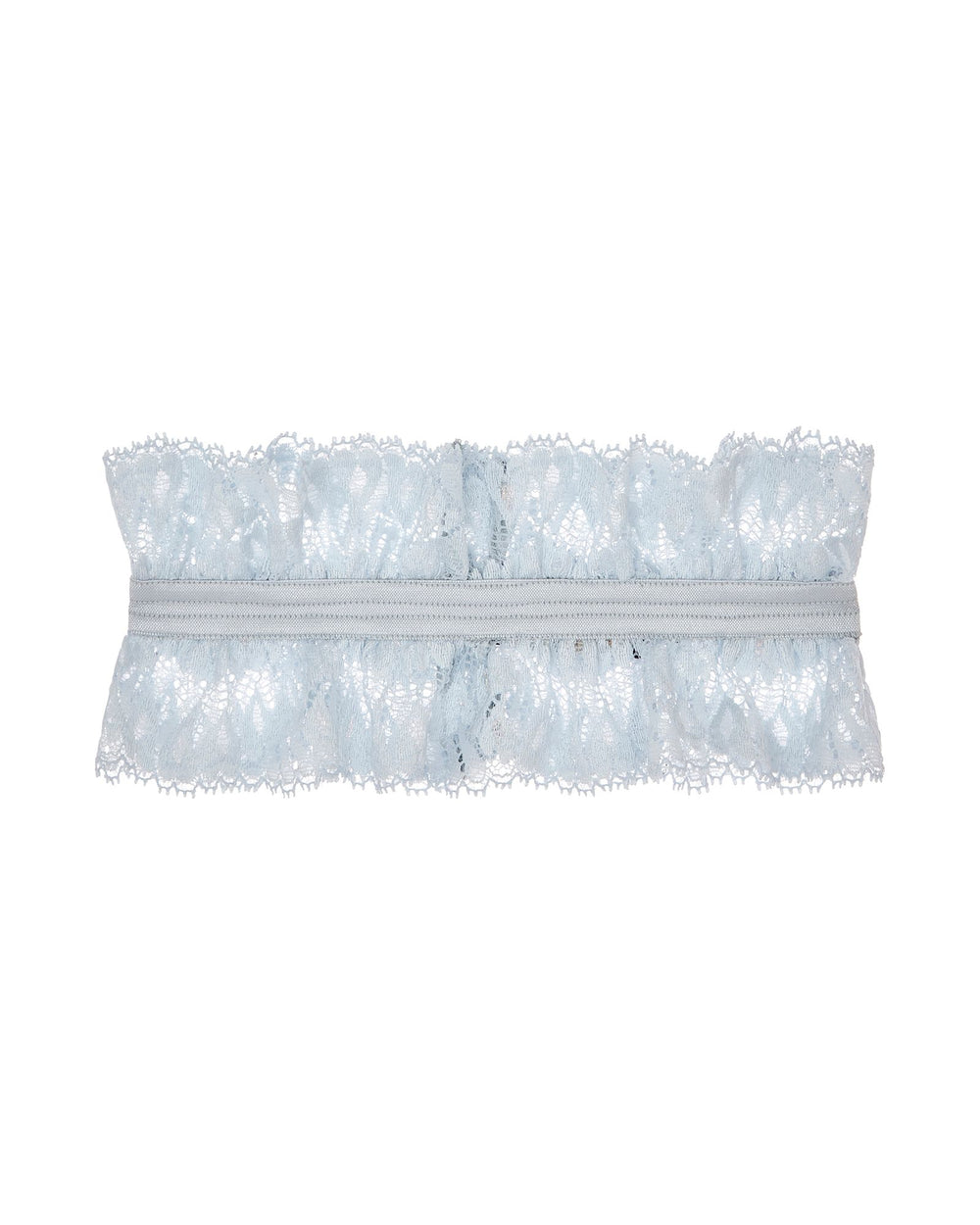
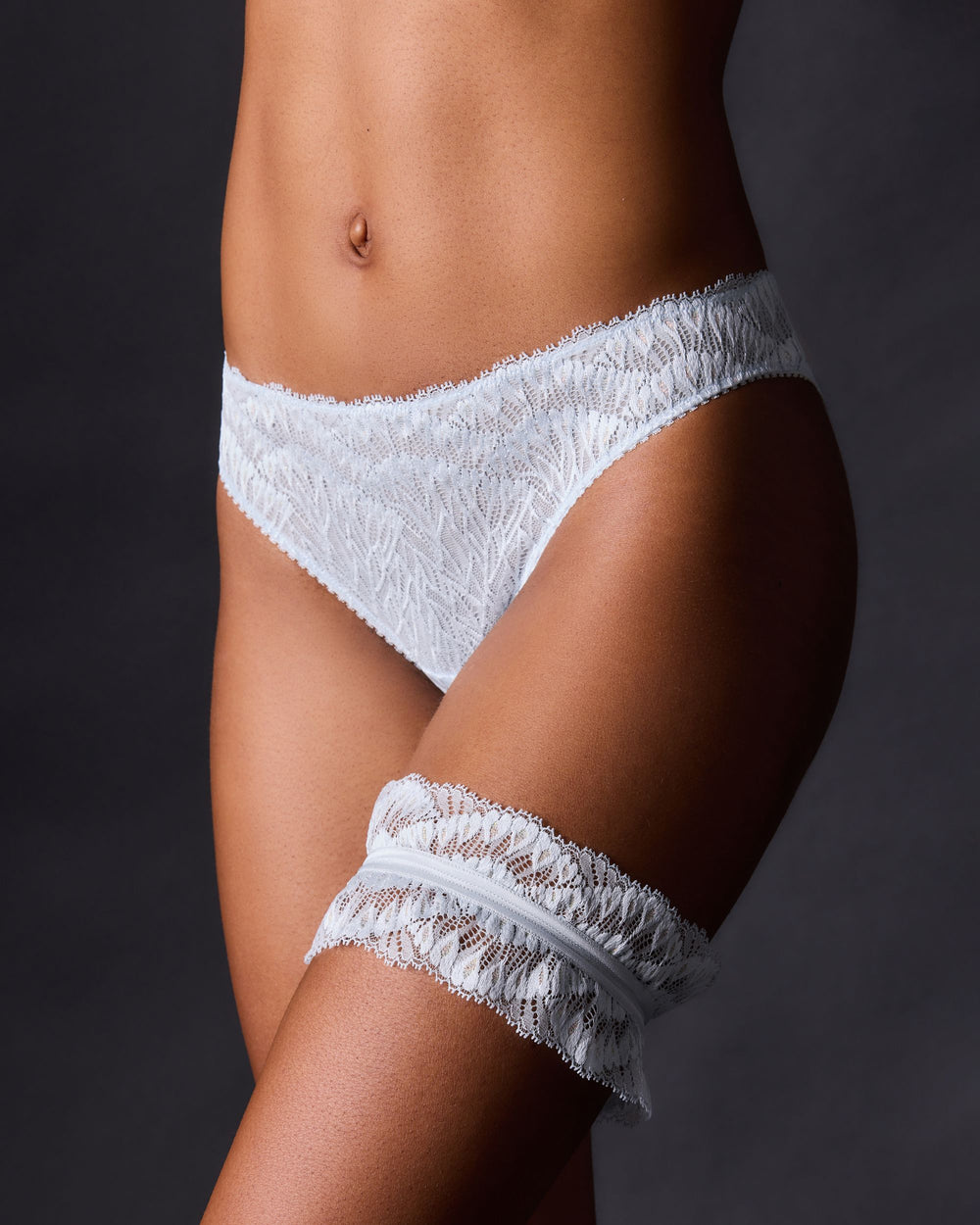
A garter belt — also called a suspender belt — is a belt worn around the hips with four to six vertical straps (suspenders) that hang down and clip to the welts of stockings. It's the mechanism that holds traditional stockings in place, and in a lingerie context it's also a significant aesthetic element in its own right.
Garter belts are constructed from a variety of materials: lace, satin, mesh, elastic, or a combination of these. They typically fasten at the back with hooks and eyes, sit at the hip or natural waist depending on the style, and attach to stockings via adjustable suspender clips at the bottom of each strap. The number of straps matters: four-strap garter belts are standard; six-strap versions provide more security and distribute the stocking's weight more evenly, which is particularly useful with heavier stockings.
The garter belt and stocking combination is one of the most enduring pieces of lingerie aesthetic — it has appeared consistently in fashion, film, and photography for over a century and continues to read as both intimate and elegant. For a practical guide to wearing the combination well, see our post on how to wear a garter belt with stockings.
Shop Garters
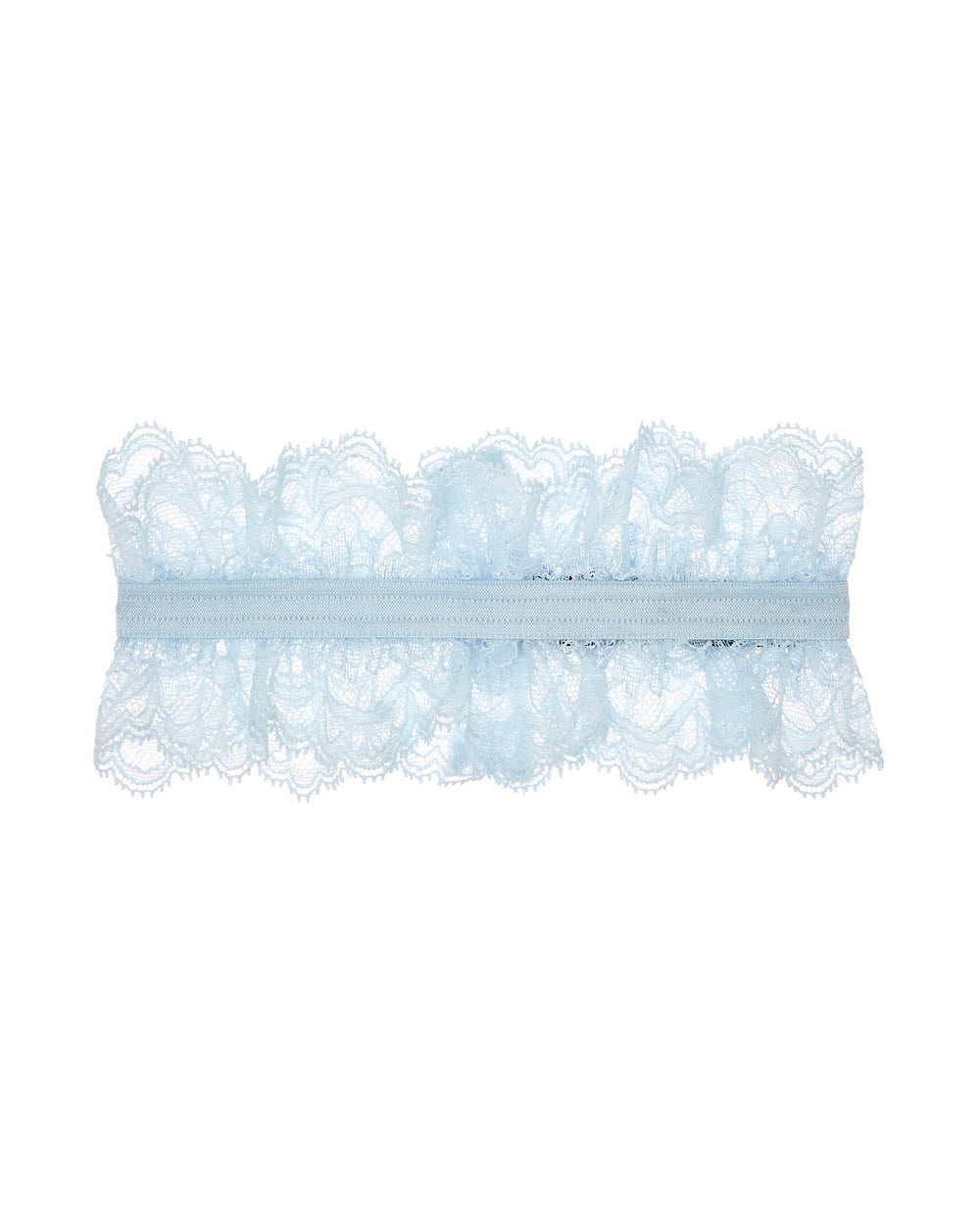
How to Wear Thigh-Highs with a Garter Belt
The process is straightforward once you've done it a few times, but the first time benefits from some guidance. For a full step-by-step, see our dedicated post on how to wear a garter belt. The key points:
Order of dressing
Put the garter belt on first, then the underwear over it. This seems counterintuitive but is the correct order — it means the underwear can be removed without having to unclip the stockings. If the underwear goes on before the garter belt, it sits between the belt and the stockings, and removing it requires unclipping everything first.
Attaching the clips
With the stocking on the leg and smoothed up to the thigh, hold the suspender strap taut and bring the clip to the welt — the reinforced band at the stocking top. Open the clip, place it over the welt fabric, and close it. The stocking should be pulled slightly taut but not pulled so tight that it distorts the welt. Attach the front clips first, then reach behind for the back clips.
Adjustment
The suspender straps are adjustable via a small sliding mechanism on each strap. The stocking should be taut against the leg but not pulling — if it's pulling at the welt, lengthen the strap slightly. If it's sagging, shorten it. The garter belt itself should sit comfortably at the hip without digging.
Seamed stockings
If wearing seamed stockings, the seam should run straight up the back of the leg. Smooth the stocking carefully before clipping, position the seam at centre-back, then clip. Check the seam alignment in a mirror after attaching both legs — it typically needs minor adjustment.
Tights
Tights are the most practical entry point in the hosiery category — a single piece covering from waist to toe, held up by their own knitted construction. They require no additional garments to function and are considerably more practical for daily wear than stockings. Within the tights category, the variations are significant.
Sheer Tights
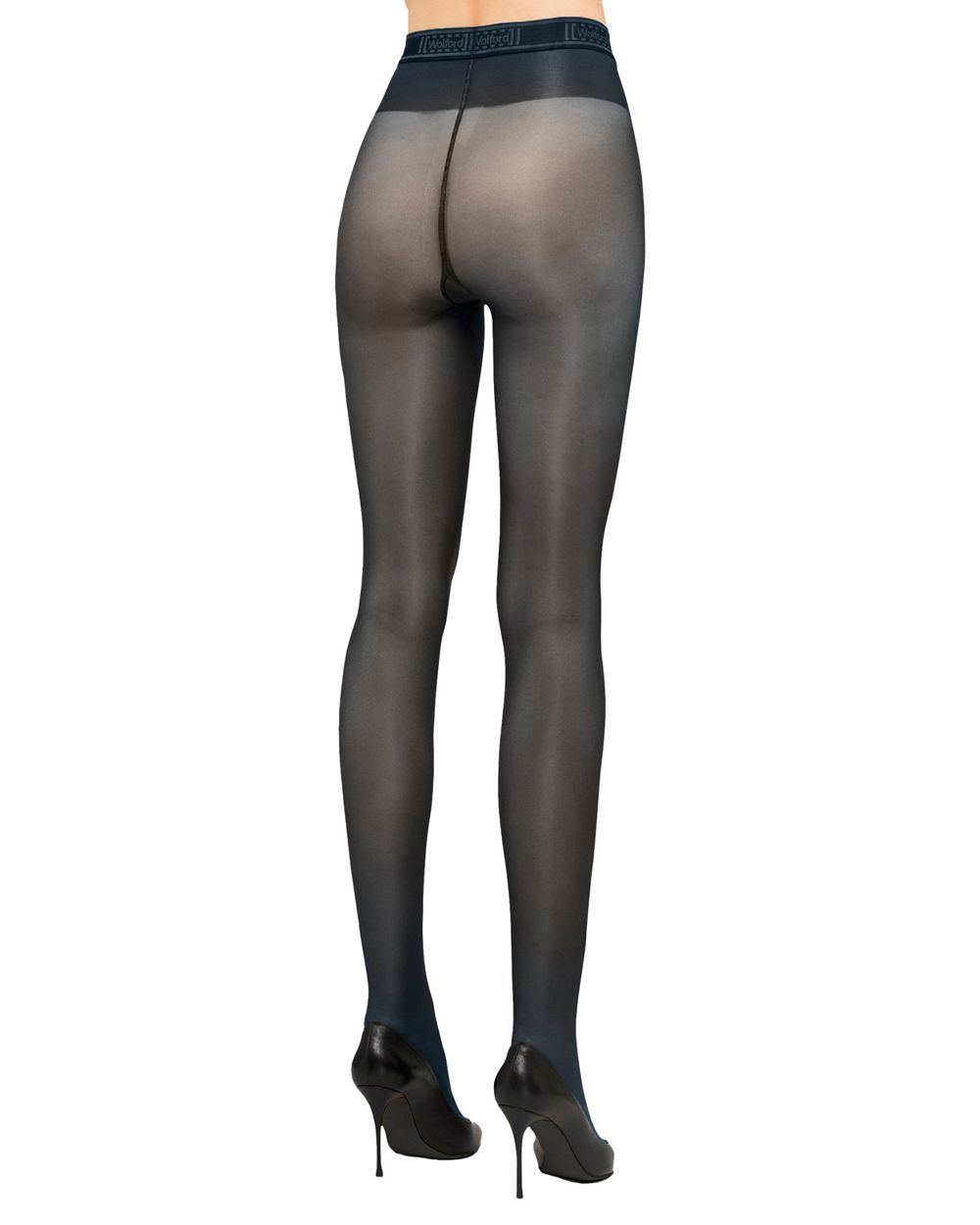
Sheer tights in 5–20 denier are the classic legwear for formal and professional dressing. They add a polished finish to a bare leg, create a unified look between skin and shoe, and provide minimal warmth but significant visual effect. Nude and barely-there sheer tights are the most versatile; black sheer tights are a formal staple.
Opaque Tights
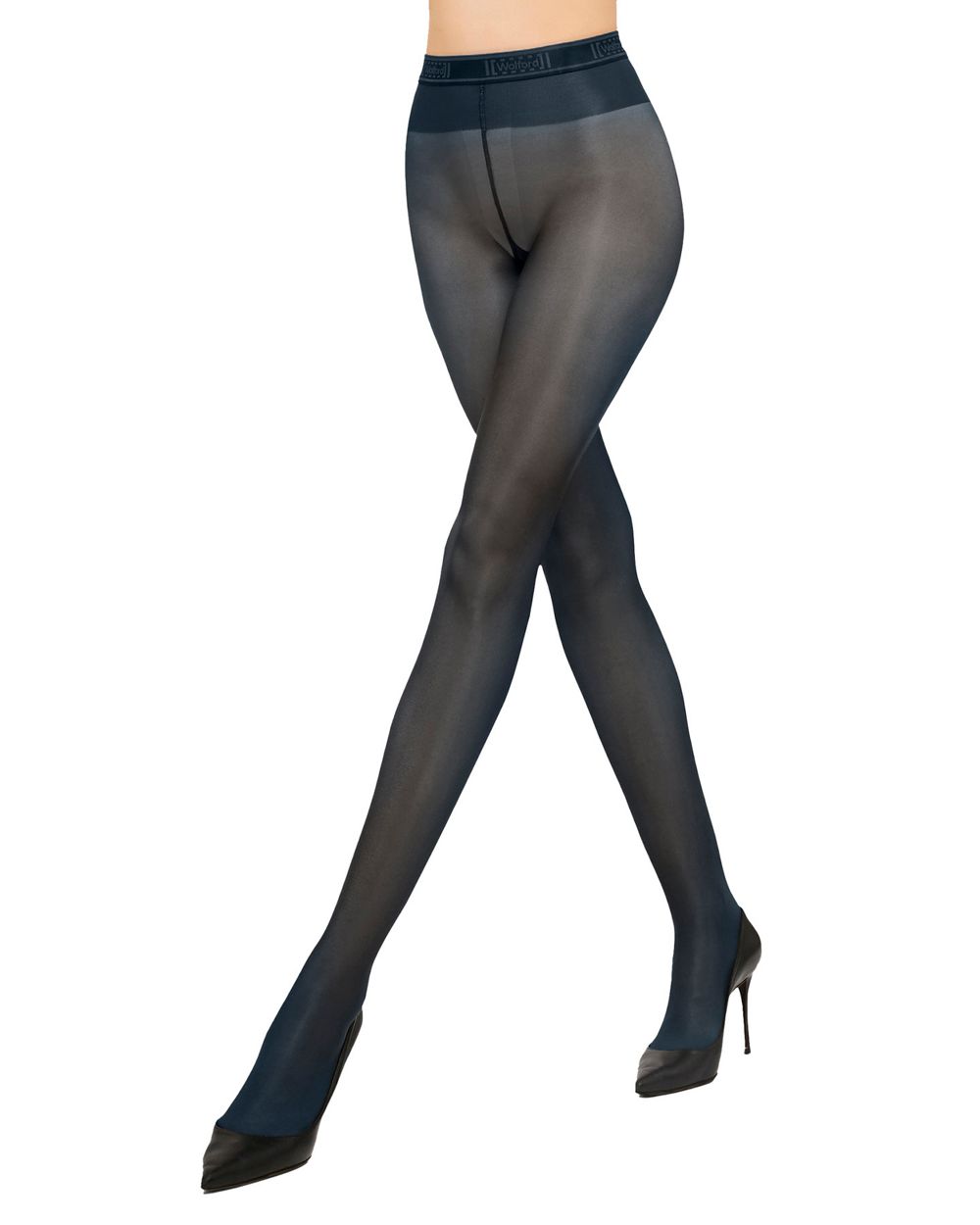
Opaque tights in 40–100 denier are the practical legwear for autumn and winter. They provide genuine warmth, are more durable than sheer styles, and are available in a wide range of colors — black and navy are the most useful, but deep jewel tones and rich neutrals extend the palette significantly. Opaque tights work as part of an outfit rather than as an invisible layer: a bold teal tight with a midi skirt is a deliberate style choice.
Fishnet Tights
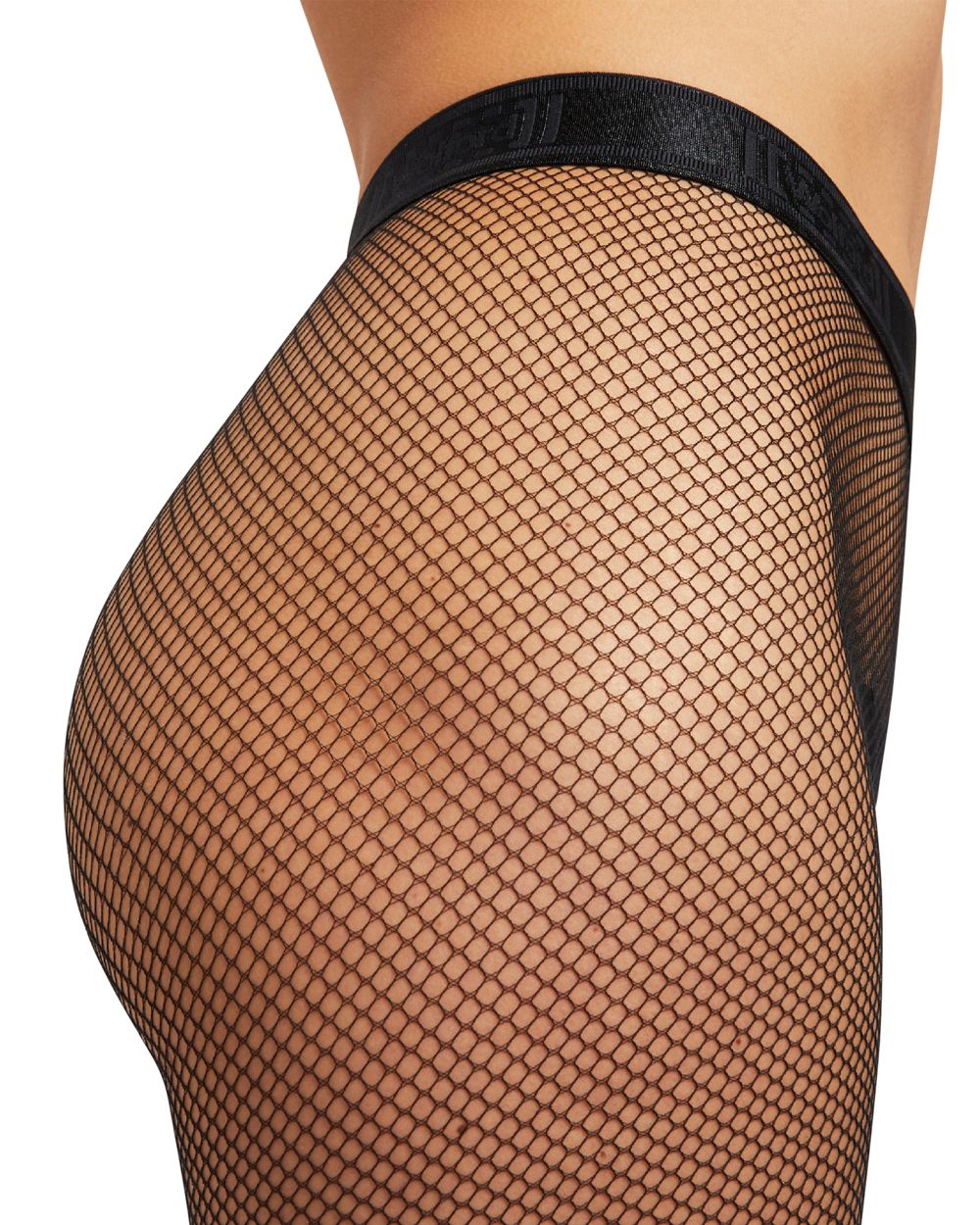
Fishnet tights are a texture statement. They add visual interest to a simple outfit — a plain black dress, a basic trouser — without adding color or pattern. Fishnet gauge (the size of the net openings) varies from very fine and almost sheer to large-gauge fashion styles. Fine fishnet reads as relatively classic; large-gauge reads as more editorial. Both work, depending on the register of the outfit.
Patterned & Fashion Tights
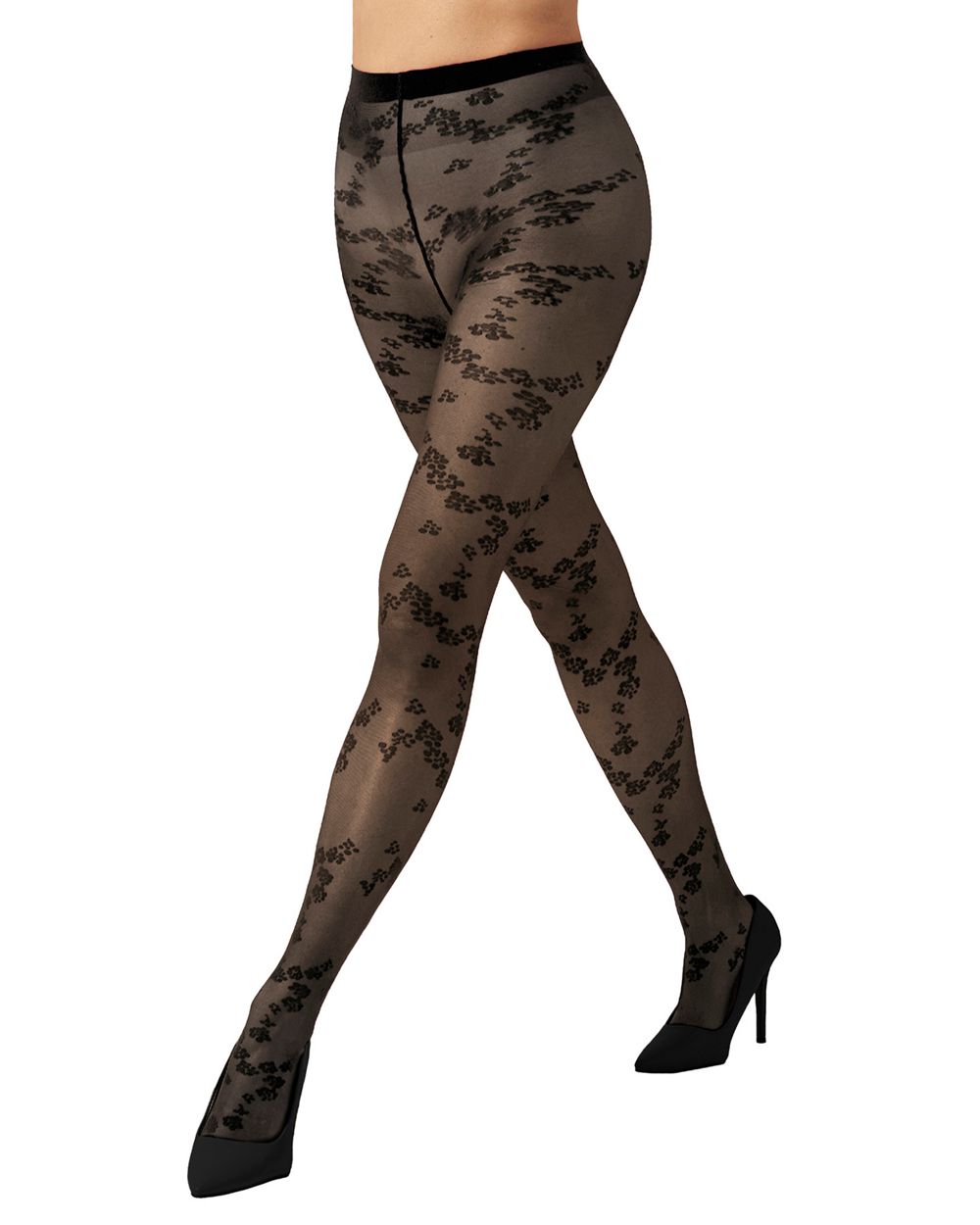
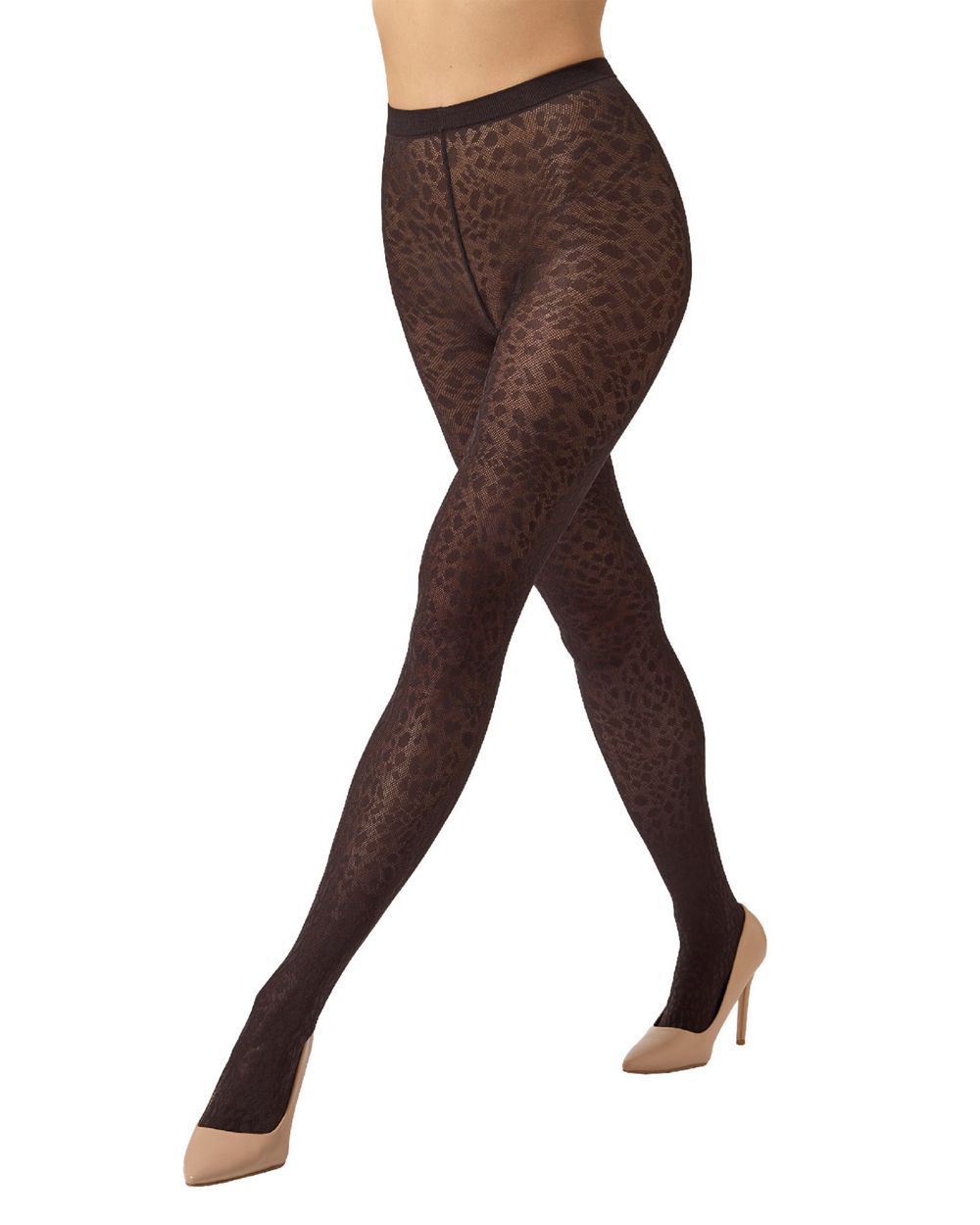
Patterned tights — with lace details, polka dots, vertical lines, or decorative designs — are a confident accessory choice. They work best when the rest of the outfit is relatively simple, allowing the tights to be seen. A plain black dress, a simple skirt and top, or a monochrome outfit: these are the contexts in which a patterned tight has room to be noticed.
Denier Guide
Denier is the unit of measurement for the thickness of the fibers used in hosiery. Lower denier means finer, more sheer fabric; higher denier means thicker, more opaque fabric. It's the single most useful number on a pair of tights or stockings.
| Denier | Appearance | Best for |
|---|---|---|
| 3–7 den | Ultra-sheer, almost invisible | Formal occasions, warm weather, bare-leg effect with polish |
| 8–15 den | Sheer, slight color | Professional and smart-casual dressing, year-round |
| 20–30 den | Semi-sheer, some coverage | Transitional seasons, more coverage than sheer without full opacity |
| 40–70 den | Opaque, no show-through | Autumn and winter, warmth and coverage, bold color |
| 80–100+ den | Fully opaque, thermal | Winter warmth, legging-like coverage |
For stockings, 10–15 denier is the most common range — sheer enough to be flattering but substantial enough to resist immediate laddering. Seamed stockings tend to run slightly heavier (15–20 denier) to support the seam structure. Very fine stockings (7 denier and below) are beautiful but delicate: they're the right choice for special occasions when appearance is the priority and longevity is less of a concern.
Choosing by Occasion
Everyday & Professional
For daily and professional wear, sheer tights in 10–20 denier or opaque tights in 40–70 denier are the most practical choices. Sheer black or nude tights are the most versatile; opaque black tights are the most useful single pair to own. Hold-ups in a plain sheer style work well for professional settings where you want the look of stockings without a garter belt showing under fitted clothing.
Evening & Occasion
For evening, sheer stockings with a garter belt make the most deliberate and elegant statement. A fine sheer stocking in black or nude, with a well-made garter belt, is the considered choice for formal occasions. Alternatively, patterned or lace thigh-highs in a lingerie context add a decorative element that's appropriate for intimate occasion wear.
Bridal
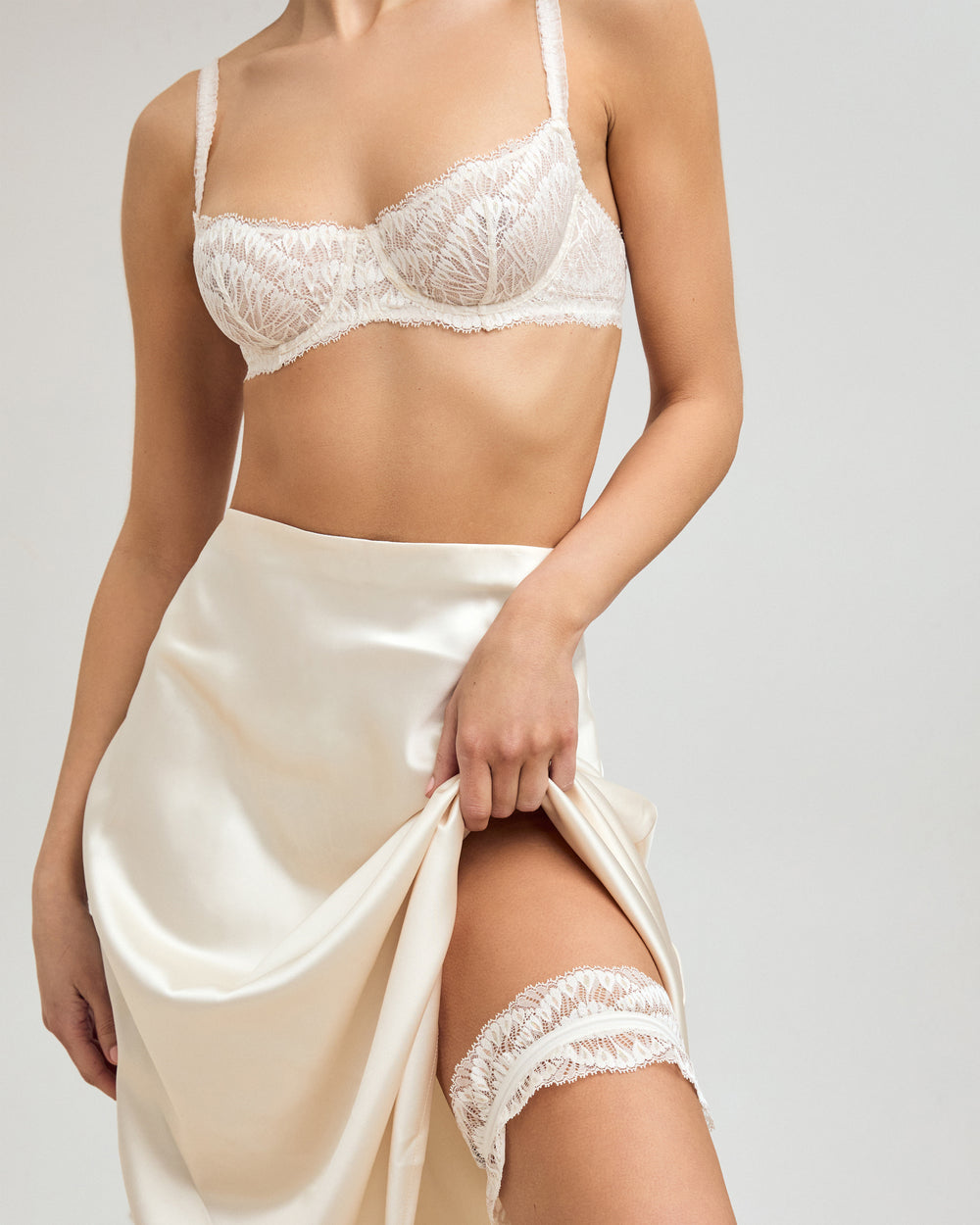
For bridal wear, the options range from very sheer hold-ups (practical and invisible beneath a full skirt) to seamed stockings with a garter belt (more traditional and romantic, particularly if the garter itself will be featured). Many brides choose hold-ups for ease — there's enough happening on a wedding day without navigating garter clips — but stockings with a garter remain a meaningful choice for those who want to incorporate the tradition deliberately.
Lingerie & Intimate
In a purely lingerie context, the aesthetic qualities of the piece take precedence: fine lace thigh-highs, a decorative garter belt with satin ribbon detail, seamed stockings chosen for their visual line. These pieces are chosen for how they look rather than for warmth or coverage, and the right pairing — with a matching bra and brief set, a bodysuit, or a corset — turns individual pieces into a complete look.
Care Guide
Hosiery is inherently delicate — fine nylon or silk fibers, very thin construction, and vulnerability to catching on rough surfaces. Proper care significantly extends the life of good quality legwear.
- Hand wash wherever possible. Fill a basin with cool water and a drop of gentle detergent. Submerge the hosiery, swish gently, rinse thoroughly. Never wring — squeeze excess water out gently.
- If machine washing, use a mesh lingerie bag, the delicate cycle, and cool water. Avoid washing with anything that has hooks, zips, or rough surfaces.
- Never tumble dry. The heat degrades the elastic and nylon fibers rapidly. Air dry by laying flat on a towel or hanging from the toe rather than the waistband.
- Store flat or loosely rolled, not balled up. Balling damages the fibers at the fold points over time.
- To reduce laddering: rinse new tights in cold water before first wear (this tightens the fibers slightly); put them on carefully with flat palms rather than fingers; keep nails smooth; avoid rough surfaces while wearing.
- Silk stockings require especially gentle handling — hand wash only, in very cool water, with a silk-specific detergent. They are more delicate than nylon but incomparably finer in feel and appearance.
Frequently Asked Questions
What is the difference between stockings and tights?
Stockings cover from the foot to the mid-thigh and require either a garter belt or silicone grip band to stay up. Tights cover from the waist to the toe in a single piece, held up by their own construction. Stockings are more associated with lingerie and occasion wear; tights are more practical for everyday and professional dressing.
What is the difference between hold-ups and thigh-highs?
Both terms refer to stockings that stay up without a garter belt. Hold-ups typically use a silicone grip strip inside the band; thigh-highs is a more general term that also includes lace-topped styles where the lace band itself provides some grip. In practice the terms are often used interchangeably, with "thigh-highs" more commonly used for fashion and lingerie styles, and "hold-ups" for more functional everyday styles.
Do you wear underwear with a garter belt?
Yes — and crucially, the underwear should go on over the garter belt, not underneath it. This allows the underwear to be removed without having to unclip the stockings. The garter belt goes on first, the stockings are attached, and the underwear is put on over the entire arrangement.
What denier tights should I buy?
It depends on the occasion and season. 10–15 denier is ideal for formal and professional settings where you want a polished, sheer look. 40–60 denier is the most practical choice for autumn and winter, providing genuine warmth while remaining visually refined. 20–30 denier is useful for transitional weather when you want more coverage than a sheer tight but less warmth than an opaque one.
How do I stop tights from laddering?
The most effective preventive measures are: putting tights on carefully with flat palms rather than fingertips; keeping nails and any rough skin smooth before wearing; washing new tights in cold water before the first wear to tighten the fibers; avoiding rough surfaces while wearing; and storing tights flat or loosely rolled rather than balled up. Even with perfect care, fine denier tights are delicate by nature — a ladder-stop product (applied to the legs before wearing) helps slow the spread of any damage once it starts.
Can you wear thigh-highs without a garter belt?
Yes — hold-ups and thigh-highs with a silicone grip band are designed to stay up without a garter belt. Plain thigh-high stockings without a silicone band need a garter belt to stay in place. Whether a specific pair requires a garter belt or not is indicated in the product description — look for "hold-ups", "self-supporting", or "silicone band" to confirm they stay up independently.
What is a garter belt?
A garter belt — also called a suspender belt — is a belt worn around the hips with four to six vertical straps that hang down and clip to the tops of stockings, holding them in place. It's both a functional garment (it keeps stockings up) and a significant aesthetic element in lingerie dressing. It typically fastens with hooks and eyes at the back and is made from lace, satin, mesh, or elastic.
Shop Hosiery & Legwear at Journelle
From fine sheer stockings and lace thigh-highs to beautifully constructed garter belts and opaque tights for every season, Journelle's hosiery edit is chosen for quality of fabric and lasting construction.
Browse the full hosiery collection to find yours.
Explore More Lingerie
Fine lingerie styles curated by Journelle