The Bra Guide: Every Style, Explained
Reviewed by Natalie, Senior Fitter at Journelle Union Square. Over a decade of fitting clients across every brand and style we carry. She's written the rewrite that follows based on questions she hears in the fitting room every week.
A bra isn't a bra isn't a bra. The difference between a balconette and a plunge isn't decorative — it's structural, and it changes who the bra is going to fit. Over more than a decade of fitting clients in our stores, we've learned that most "I can't find a bra that works for me" problems aren't sizing problems. They're shape problems: wearing a bra cut for a body that isn't yours.
This guide explains every major bra style — what it's built to do, who it's right for, and who it's wrong for. Use it to narrow down before you shop, or bring it into a fitting with one of our fitters and we'll pull styles in your size across the categories that match your shape.
Whether you are looking for a dependable everyday underwire, exploring bralettes for the first time, trying to figure out what bra works with a specific neckline, or shopping for fuller bust support, this is the reference to start with.
What Makes a Great Bra
Before getting into styles, it helps to understand what any bra is actually trying to do — because a style that works beautifully in the right size and shape can feel terrible in the wrong one. The best bras share four qualities regardless of silhouette.
The Band
The band does most of the work. In a correctly fitting bra, the band carries around eighty percent of the support, sitting level around the body and staying there throughout the day. If your band rides up at the back, the support is coming from the straps instead — and straps were not designed to carry that load. Most women wear their band size too large, which is why the band feels loose and the straps feel like they're doing all the work.
The Cup
A well-shaped cup fully contains the breast without spillage at the top or sides, without gaping at the center front, and without creating visible lines under clothing. Cup shape matters as much as cup volume — a cup that is too closed, too shallow, or cut for a different breast shape will feel uncomfortable even in the technically correct size. This is one reason why bra shopping across different brands often means adjusting the size you try first.
The Straps
Straps should stabilize and refine the fit — not carry the weight. If you are tightening your straps to compensate for a loose band, the bra is not fitting correctly. Good straps sit comfortably without digging into the shoulders or slipping off, and they stay put with minimal adjustment throughout the day.
The Construction
Quality shows in how a bra holds up over time. Underwire that stays correctly placed after washing, lace that stays soft rather than going stiff, cups that keep their shape through regular wear, and elastics that maintain their recovery all indicate a bra that is worth the investment. A well-made bra should still feel like a well-made bra six months in.
Our Best-Selling Bras



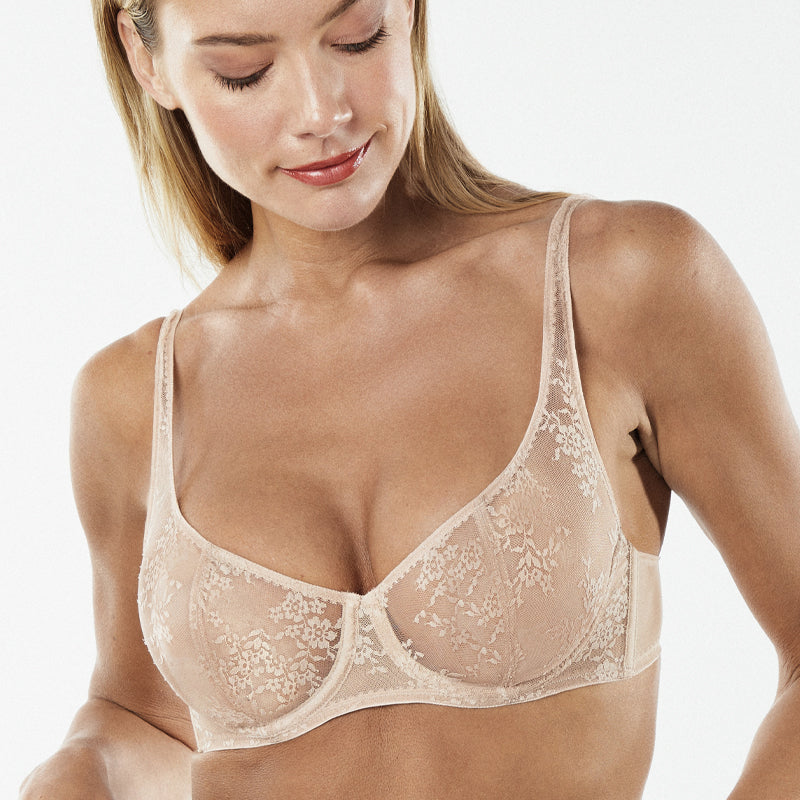
Underwire Bras
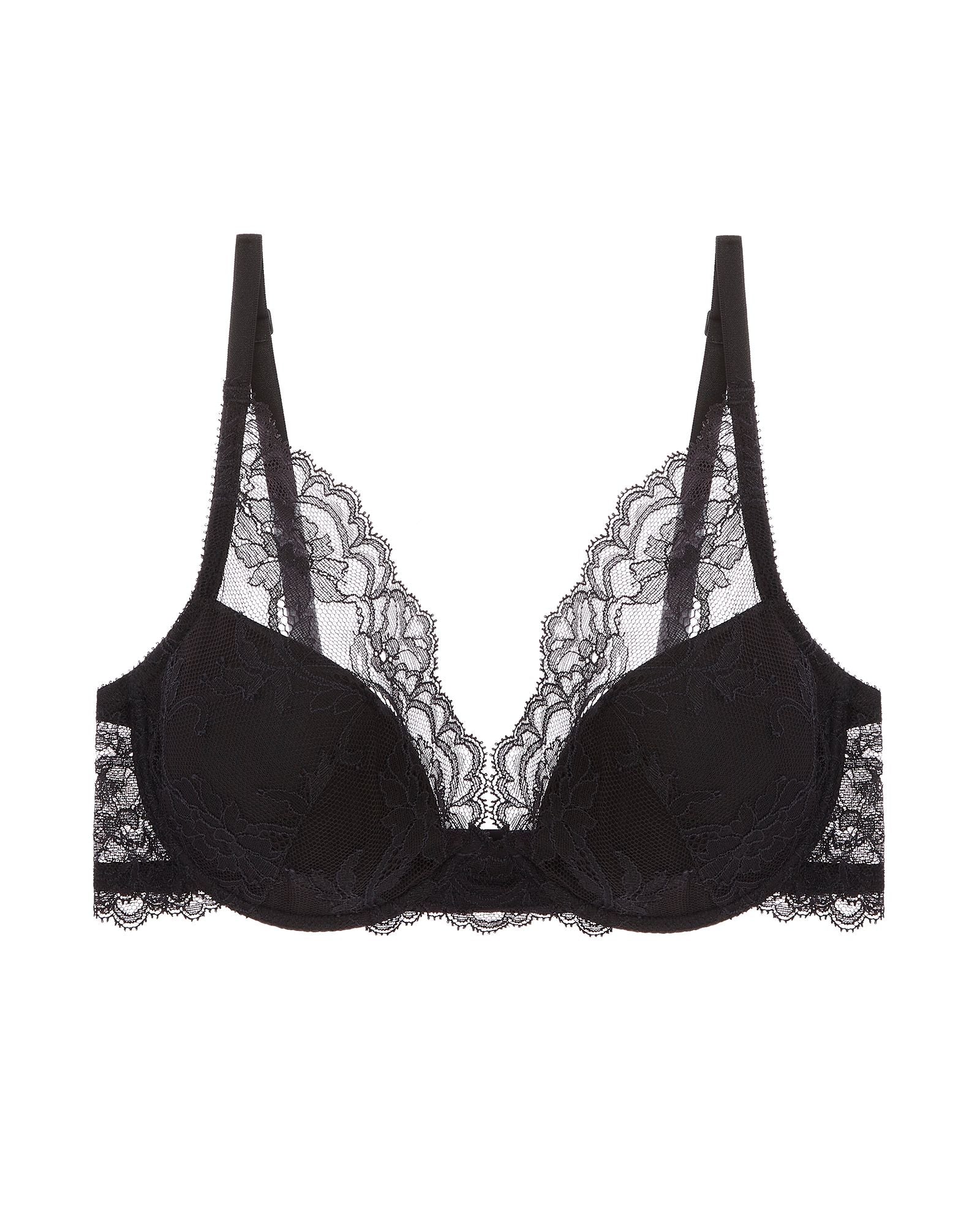
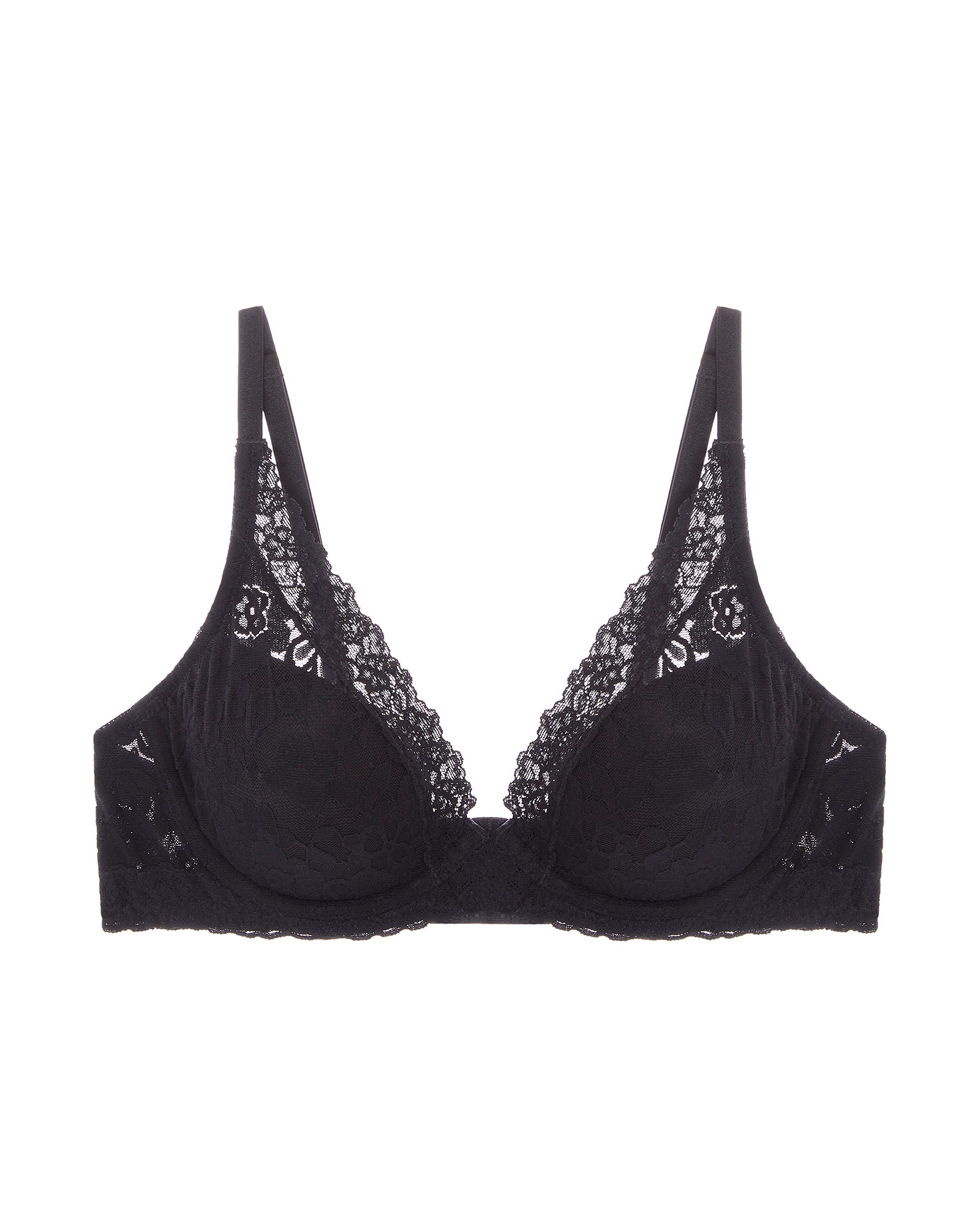
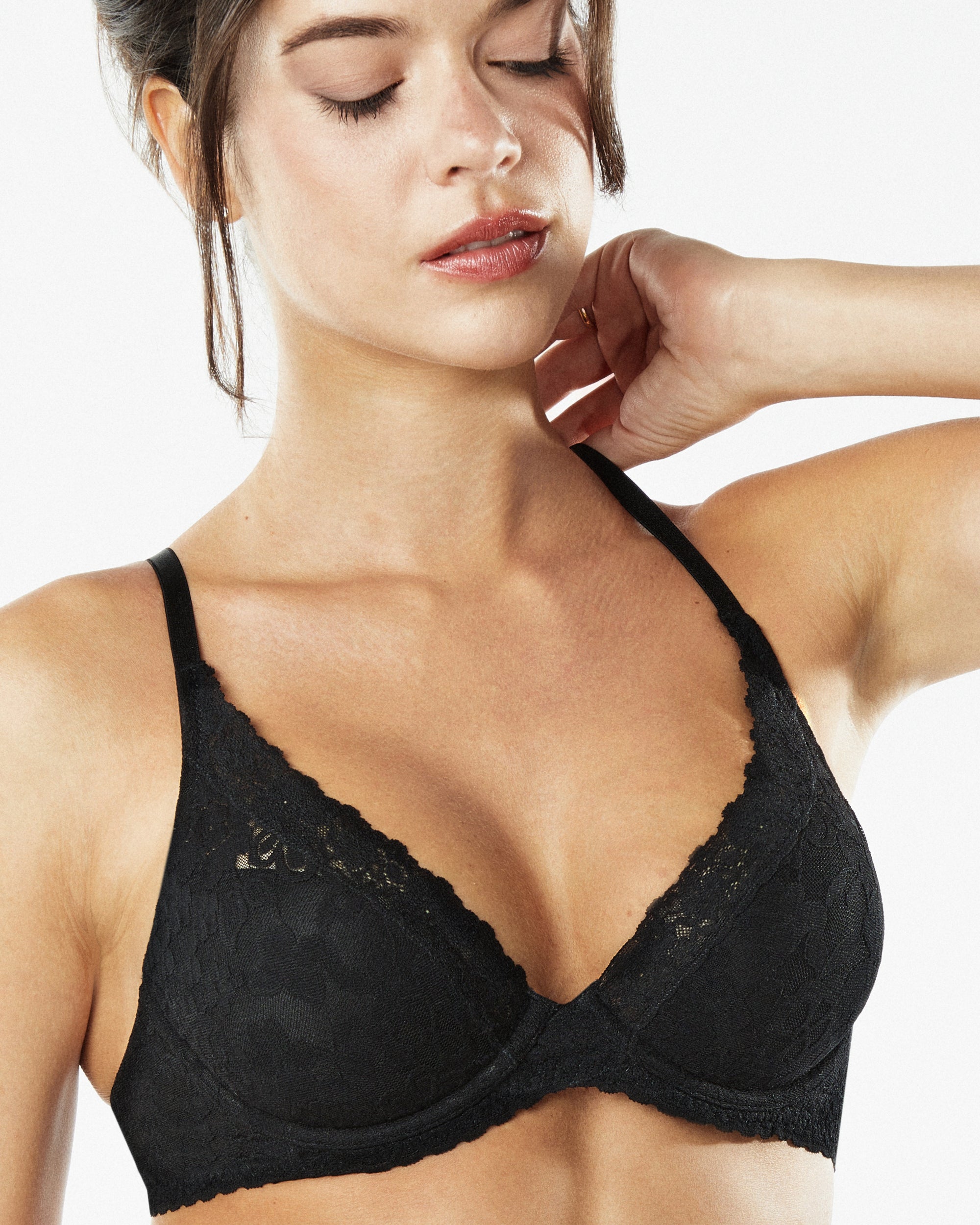
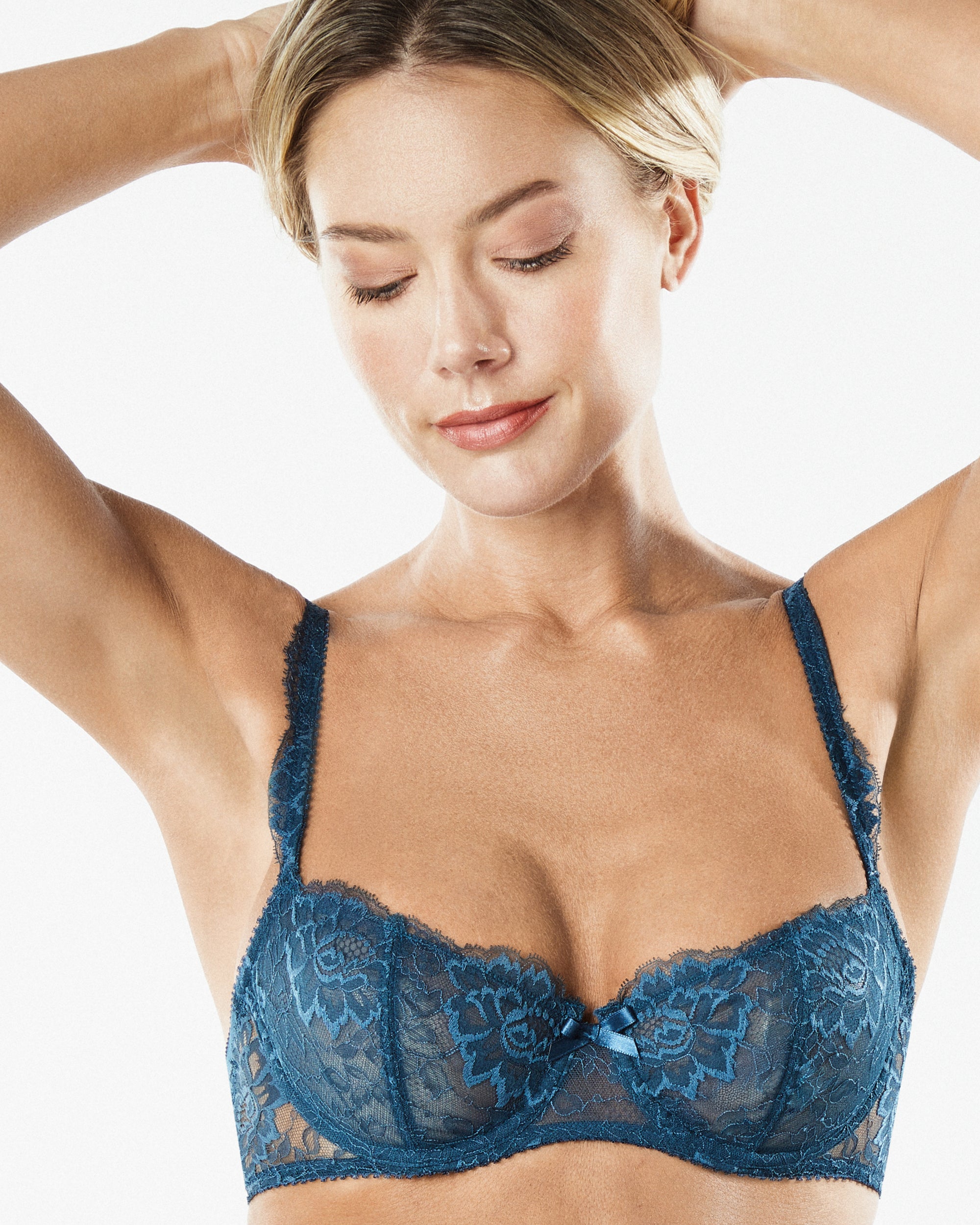
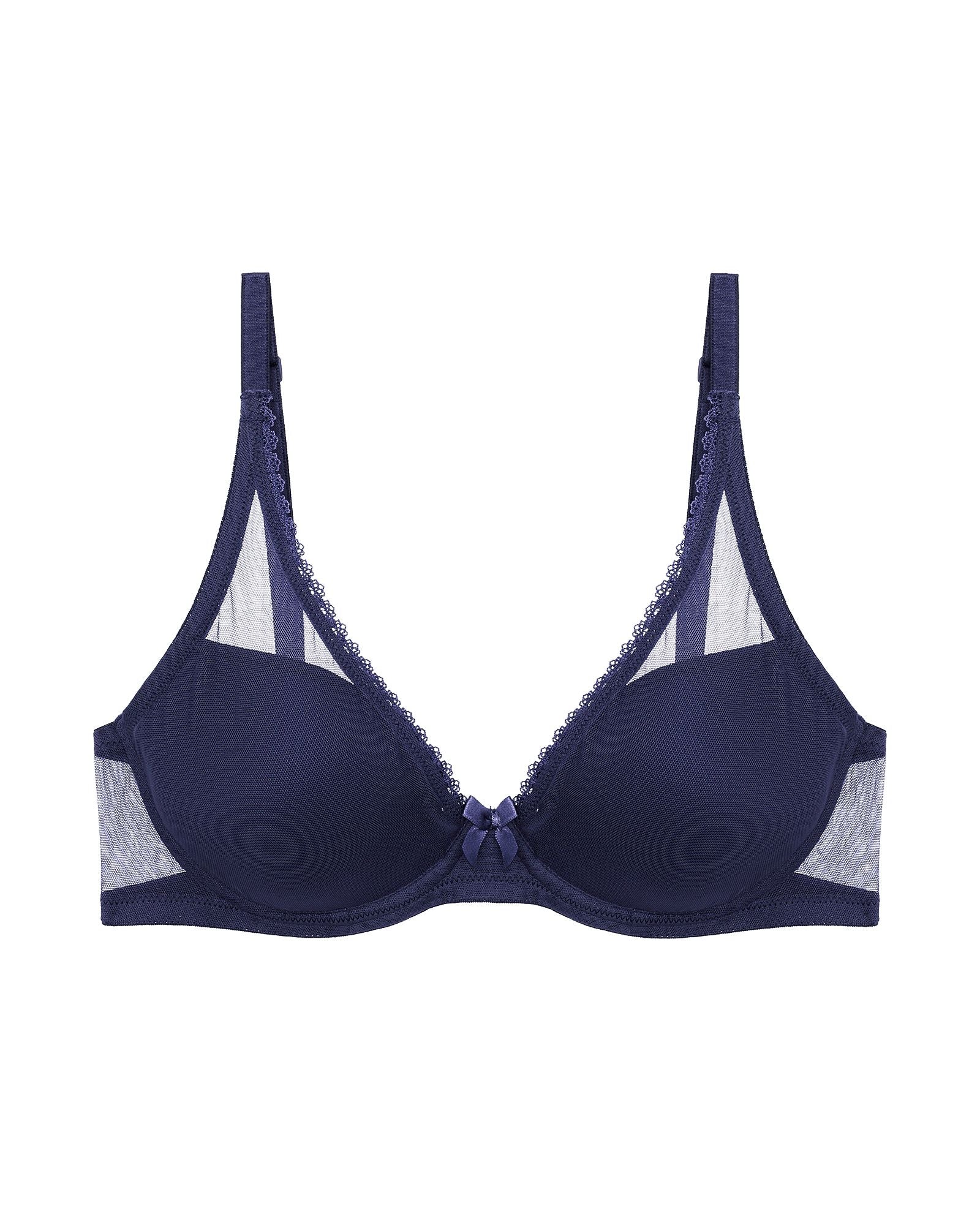
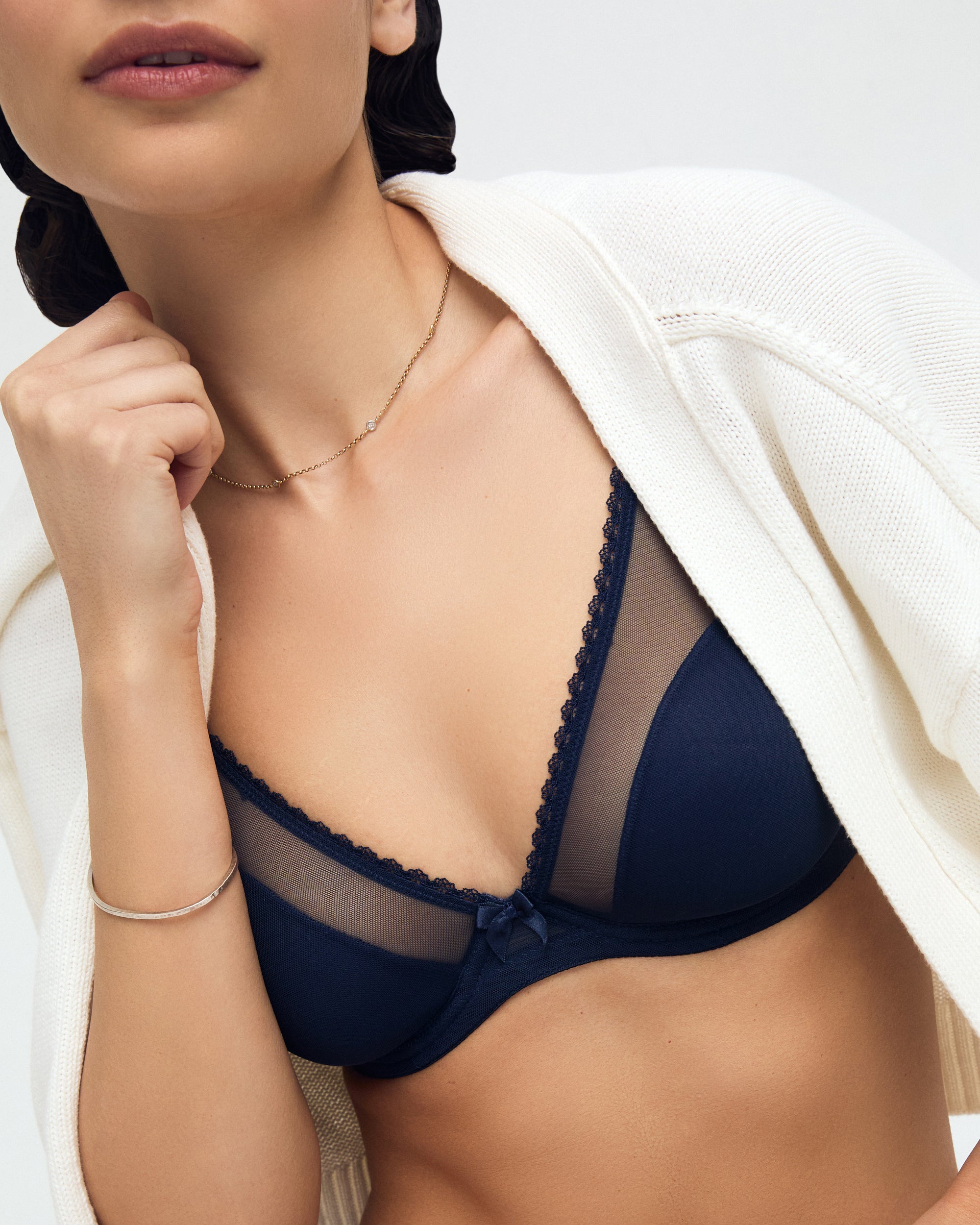
An underwire bra uses a curved wire — typically encased in fabric beneath each cup — to lift the bust from below and define the cup shape. This distributes weight more evenly than a wire-free style and keeps the silhouette consistent throughout the day. For many women, a well-fitting underwire bra is more comfortable than a soft-cup alternative precisely because the support is doing its job correctly rather than leaving straps to compensate.
When to Choose Underwire
Underwire is the strongest choice for everyday structured support, for fuller busts that benefit from lift and definition, and for occasions when you want your clothing to sit predictably and smoothly. It is particularly useful under fitted shirts, blazers, dresses, and any clothing where the silhouette underneath matters.
The common assumption that underwire is inherently uncomfortable is almost always a fit problem rather than a design problem. A correctly positioned wire sits against the chest wall beneath the breast tissue — not on it. If the wire is digging in, sitting on the breast, or shifting during the day, the cup or band size needs adjusting rather than the style itself.
What Good Underwire Feels Like
When an underwire bra fits correctly, you should not feel the wire at all. The cups should feel supportive from the first moment, the band should feel secure without constricting, and the whole bra should stay in place without requiring adjustment. If you are conscious of the wire pressing anywhere by midday, that is a sign to try a different size or a different cup shape.
Browse Journelle's full range of underwire bras from the most trusted names in the category.
Shop Underwire Bras

Bralettes & Wireless Bras
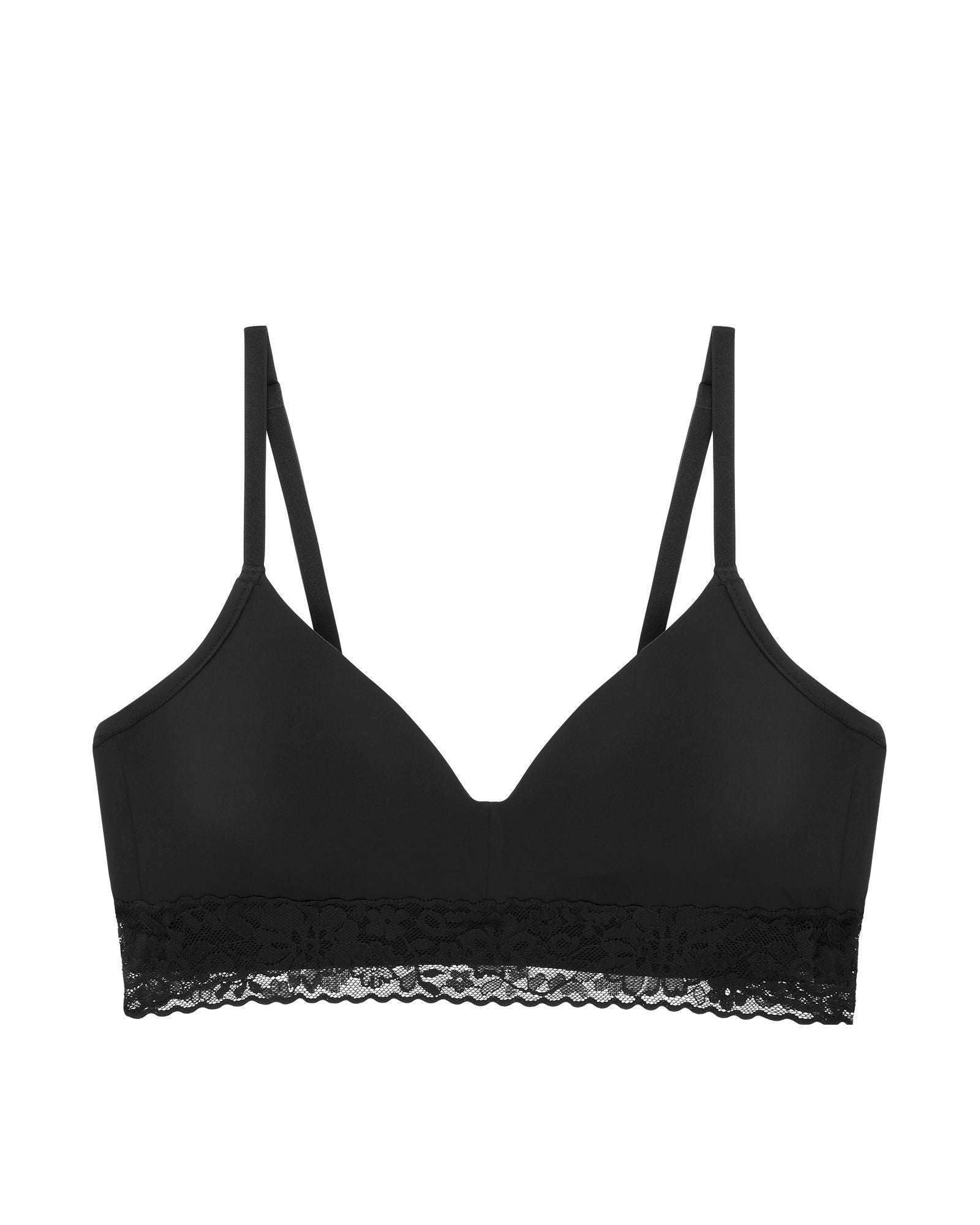
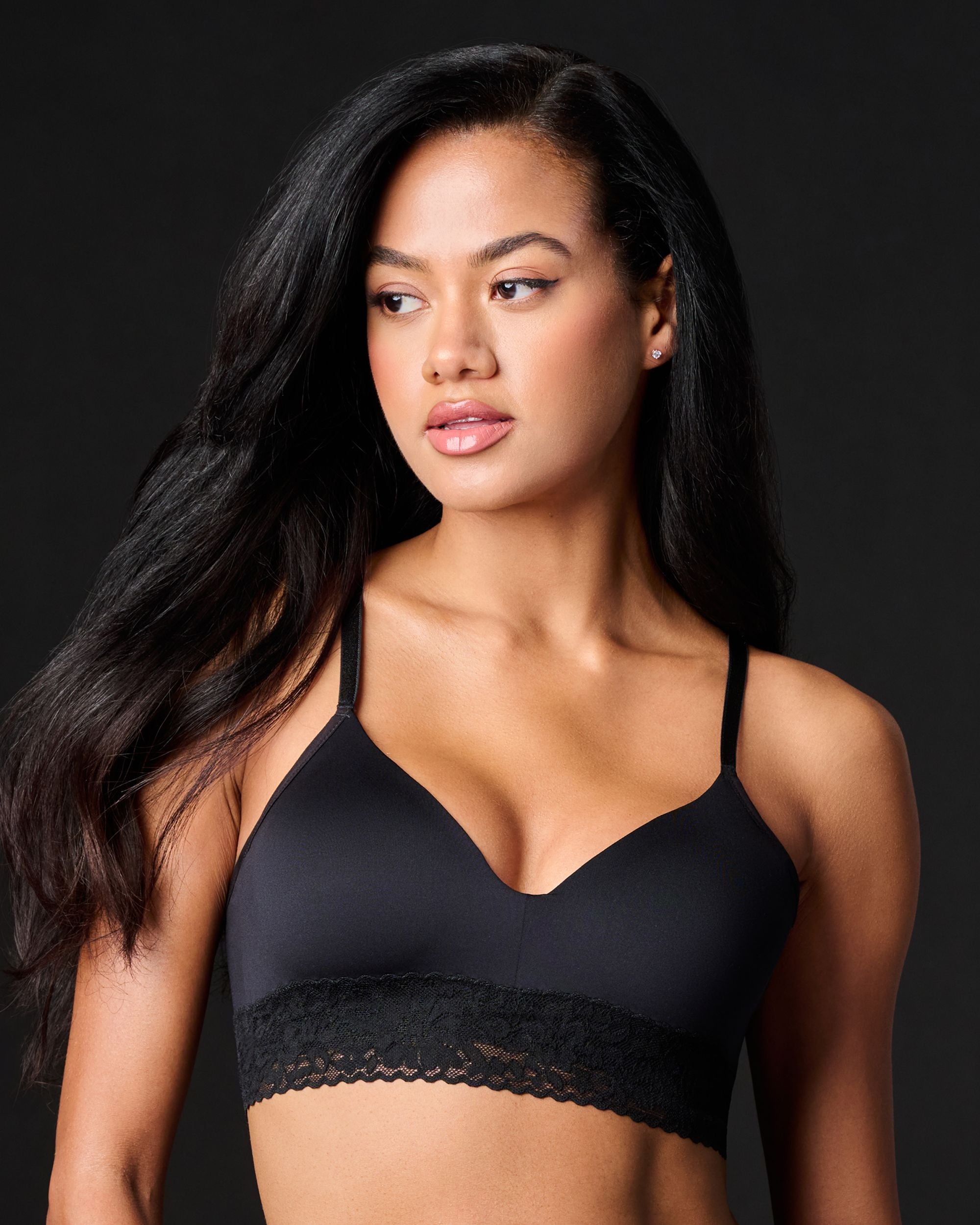
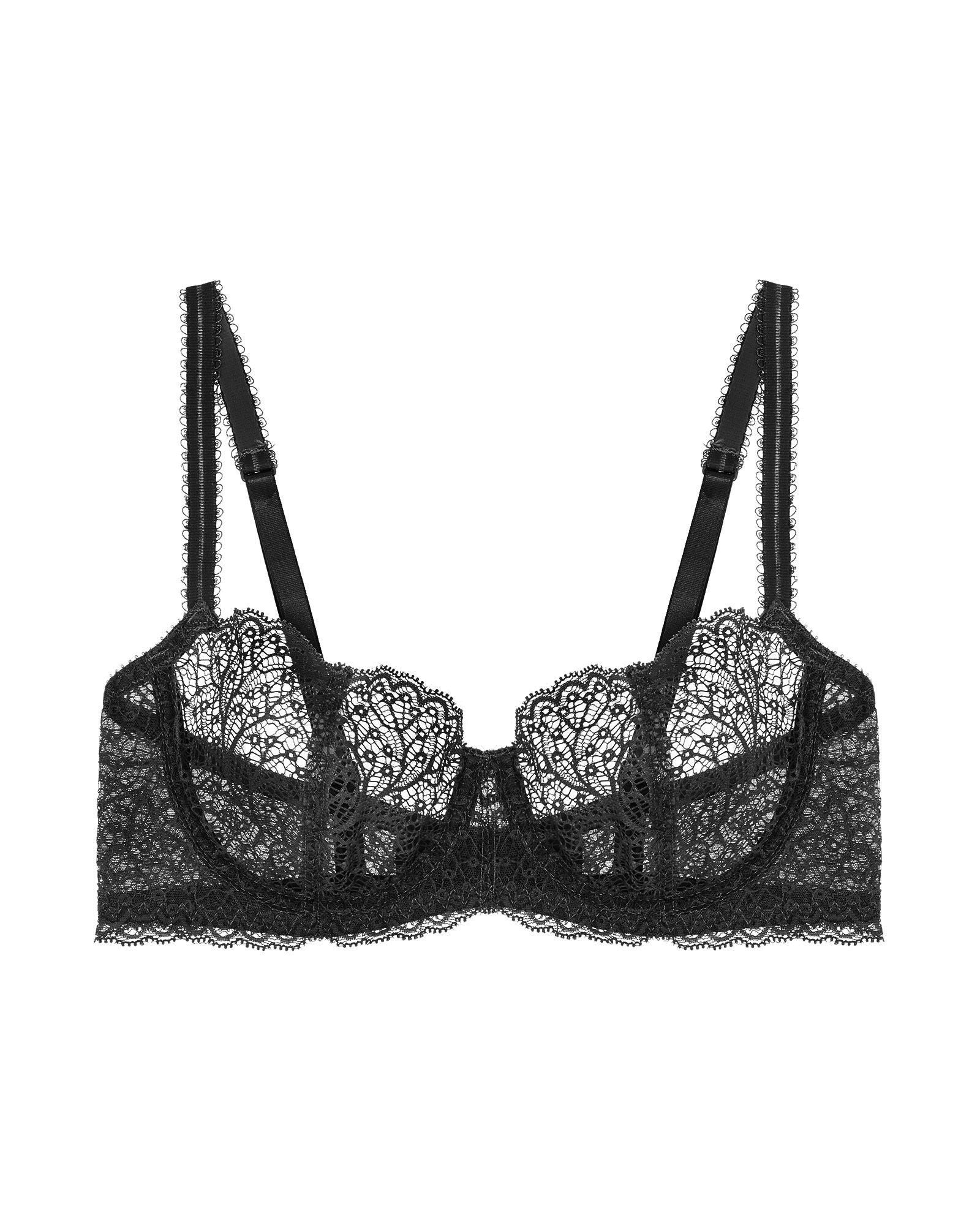
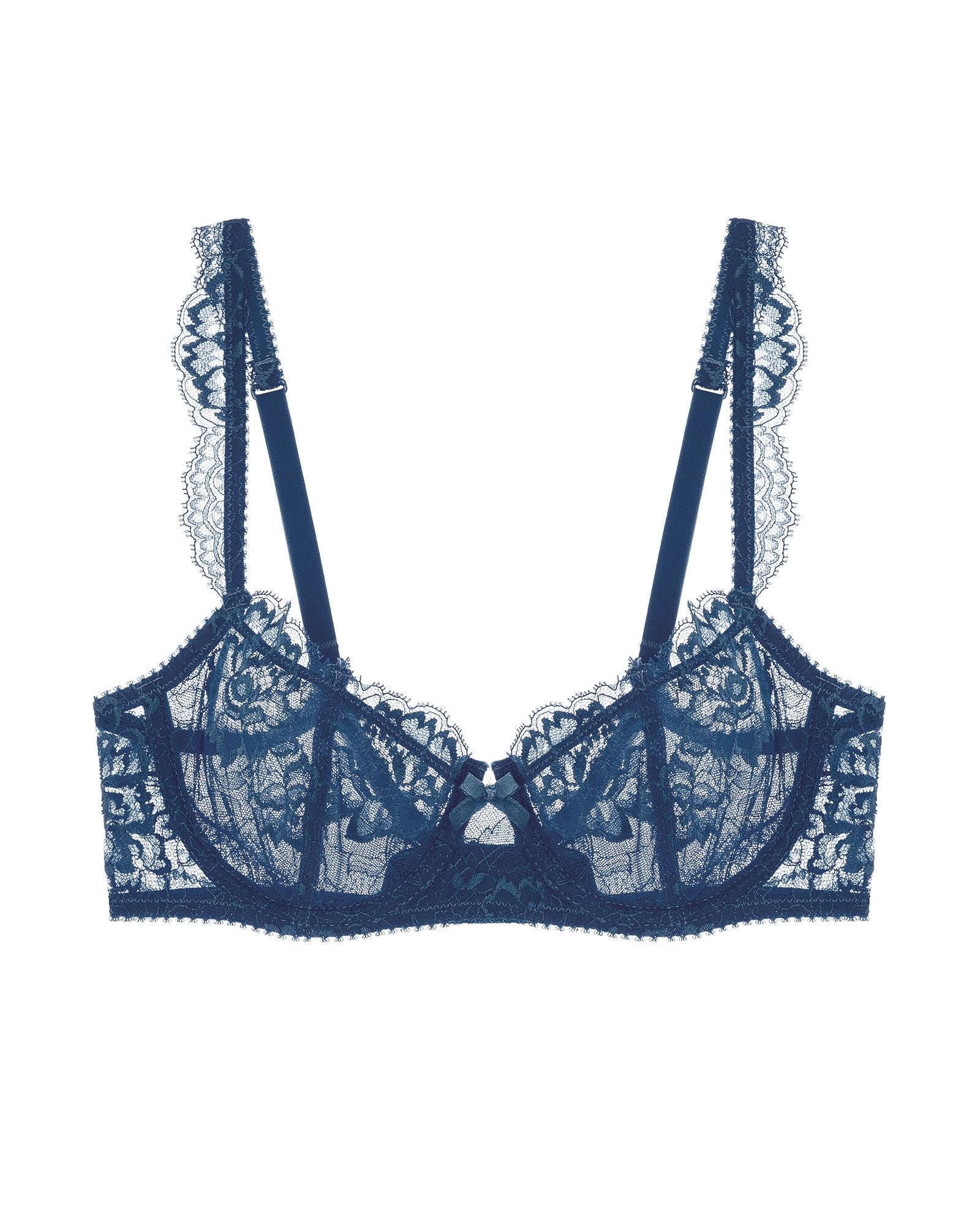
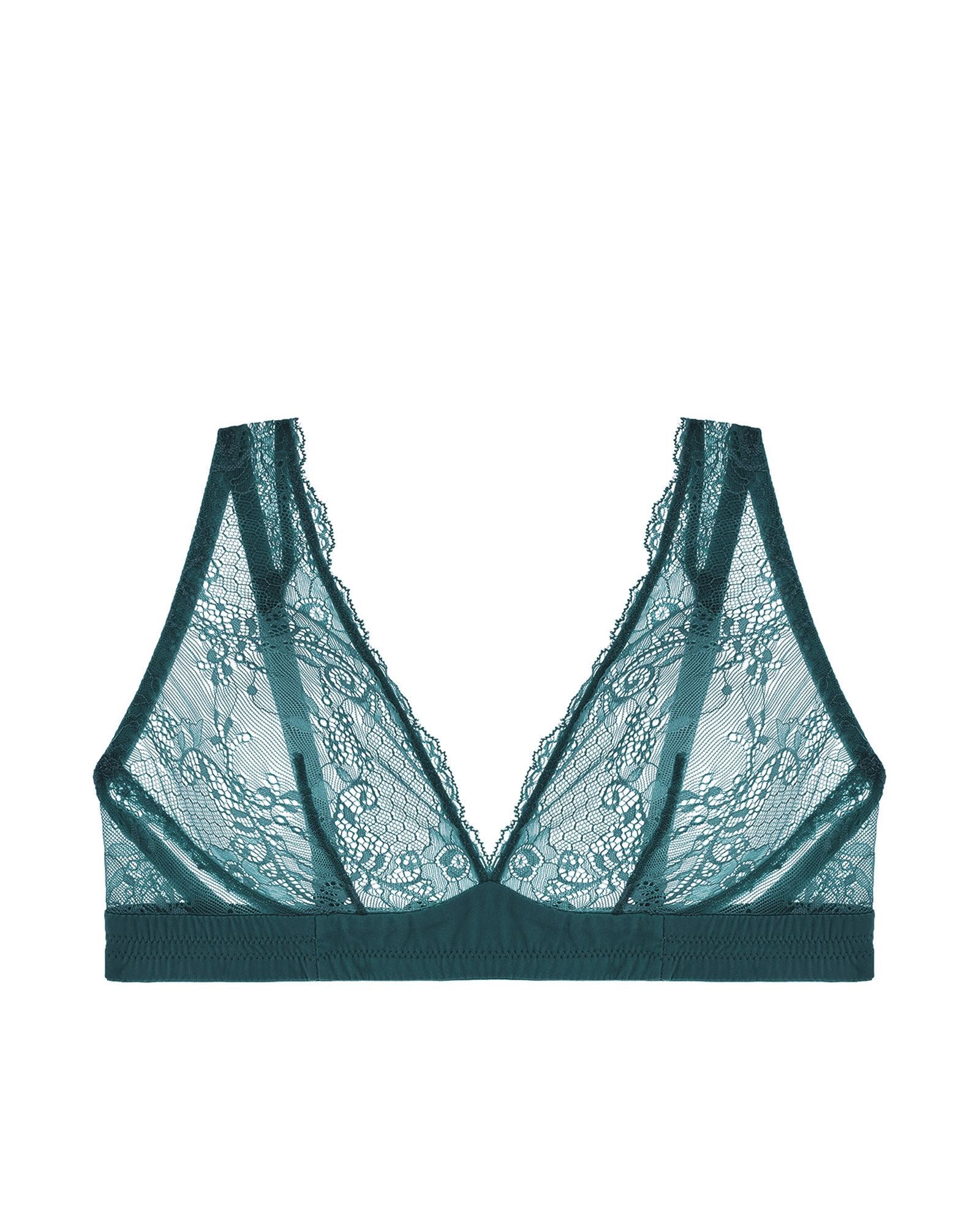
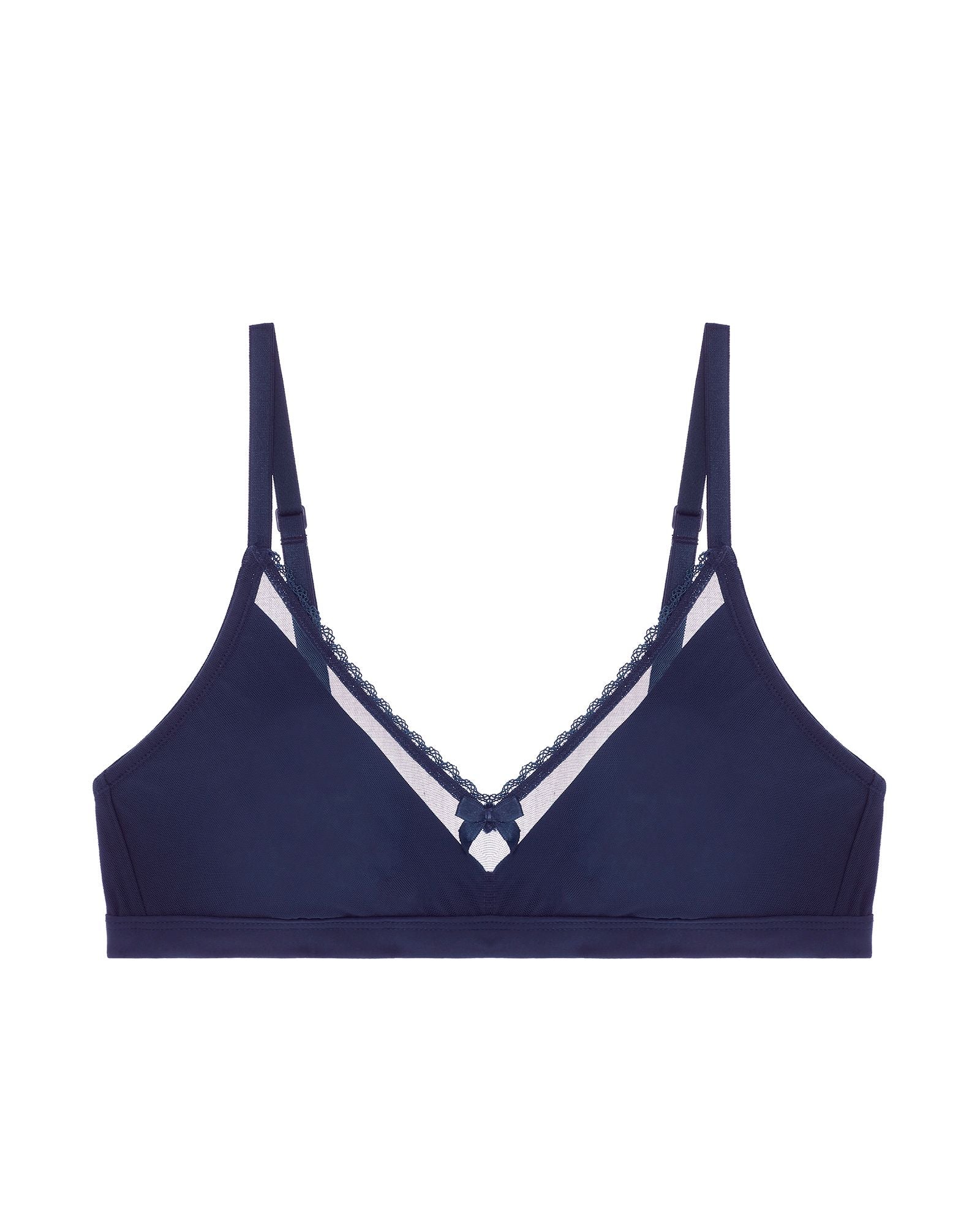
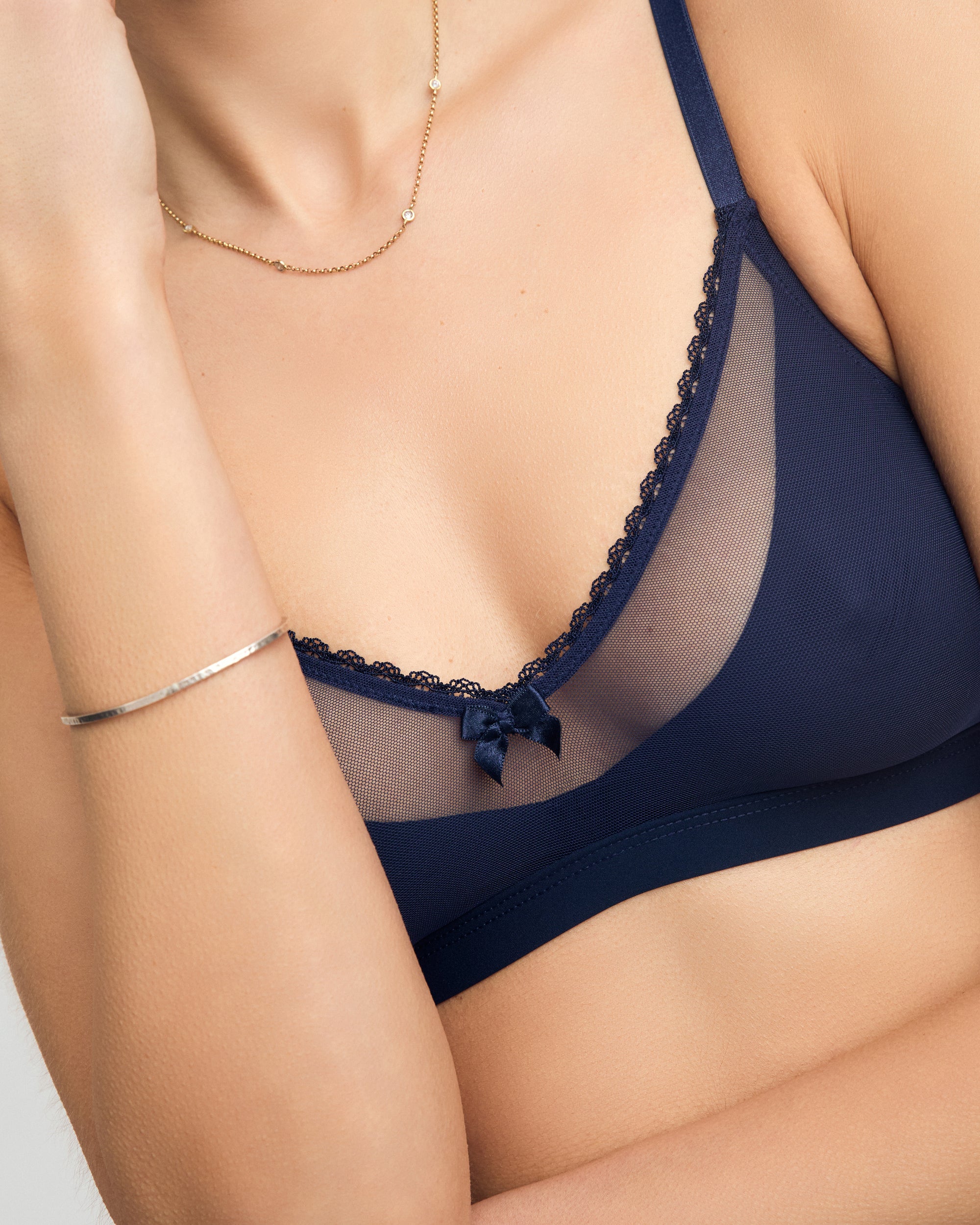
A bralette is a wire-free bra — typically lighter in construction than a traditional underwire style, often made from soft fabrics like lace, jersey, or mesh, and generally unpadded. The term covers a wide range of silhouettes, from barely-there lace triangles to more structured longline styles that offer meaningful support without any wire.
Bralettes vs. Bras: What's the Difference
The main difference between a bralette and a bra is structure. A bra — particularly an underwire style — is engineered for consistent lift and support across a range of sizes and cup volumes. A bralette is softer, less structured, and more flexible in fit. This makes bralettes more comfortable for lighter-support days and more forgiving across sizes, but generally less suited to heavier busts or occasions where a precise silhouette matters.
That said, the category has evolved considerably. Better-constructed wireless bras now include features — wider bands, supportive seaming, inner slings, firmer fabrics — that bring them much closer to the support of an underwire style. If you find underwire uncomfortable and have not tried a modern, well-engineered wireless bra, it is worth revisiting the category.
Types of Bralettes
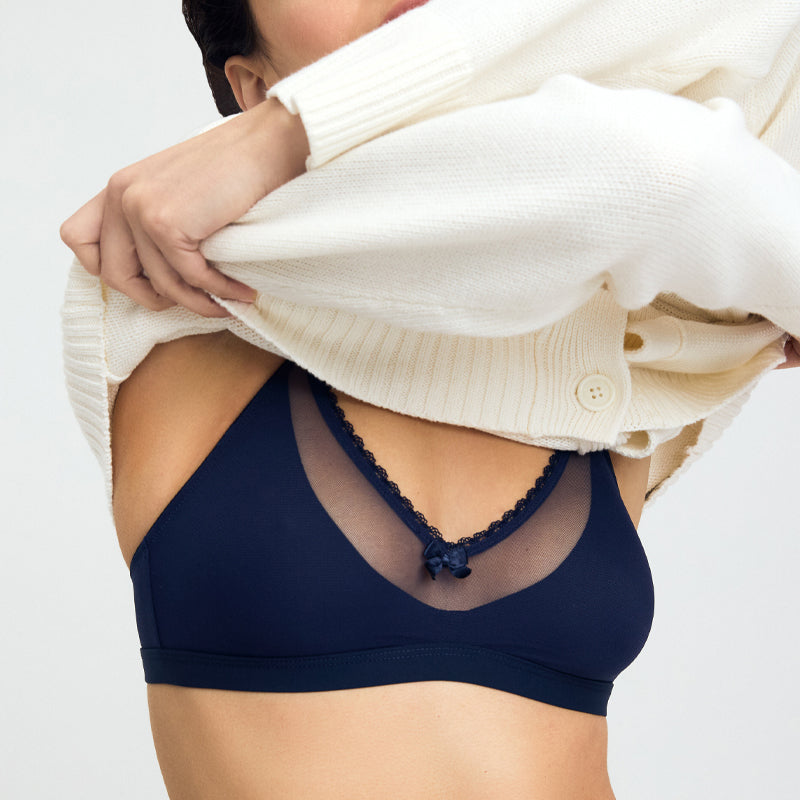
Triangle bralettes are the most minimal in construction — two triangular cups with thin straps. They work best for smaller busts and lower-impact wear, and their simple shape makes them easy to style as outerwear under open shirts or over slip dresses.
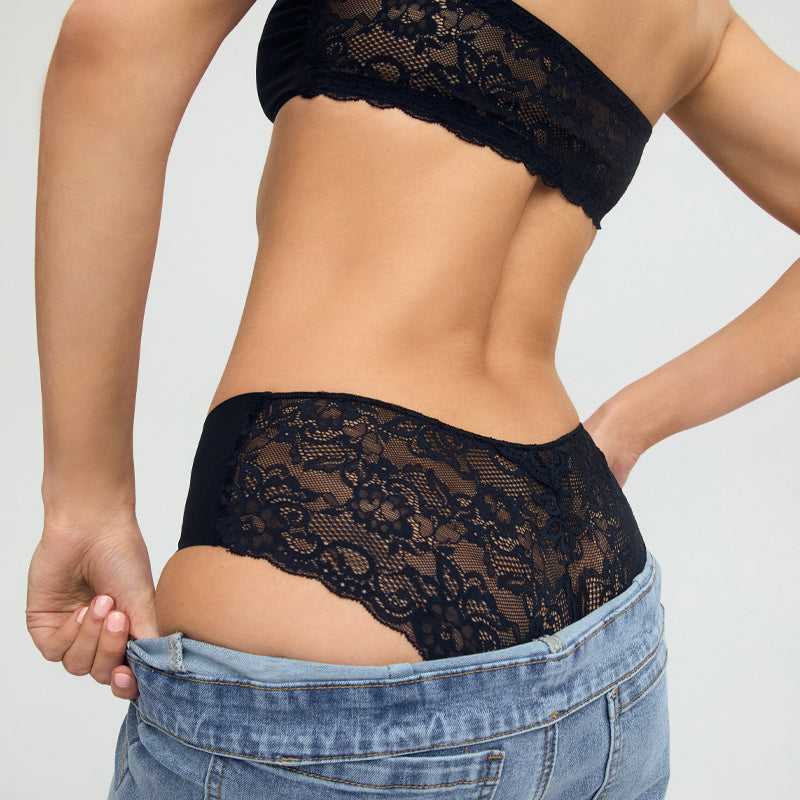
Lace bralettes prioritize texture and visual detail. Quality varies significantly — the best ones use lace with genuine stretch and recovery that stays soft after washing, rather than going stiff or scratchy. A well-made lace bralette can work as both a lingerie piece and a visible layering element.
Longline bralettes extend further down the torso, adding coverage and a degree of structure through the wider band. These tend to offer more support than shorter styles and work particularly well under high-waisted bottoms or as a visible layer under blazers and cardigans.
Seamless and soft-cup wireless bras sit closer to a traditional bra in shape — with a defined cup and a fitted band — but without the wire. These are the most supportive wireless options and are often the best choice for women transitioning from underwire who still want consistent shape.
Explore Journelle's full edit of bralettes and wireless bras.
Fitter's note: Bralettes that claim "support up to DD" usually mean "fits a DD band-and-cup, not a DD bust". For real DD+ support from a bralette, look for wire-free styles with a wide band and a proper strap-and-underband structure — Natori Feathers and Cosabella Never Say Never hold up; most lace bralettes don't.
Shop Bralettes & Wireless Bras




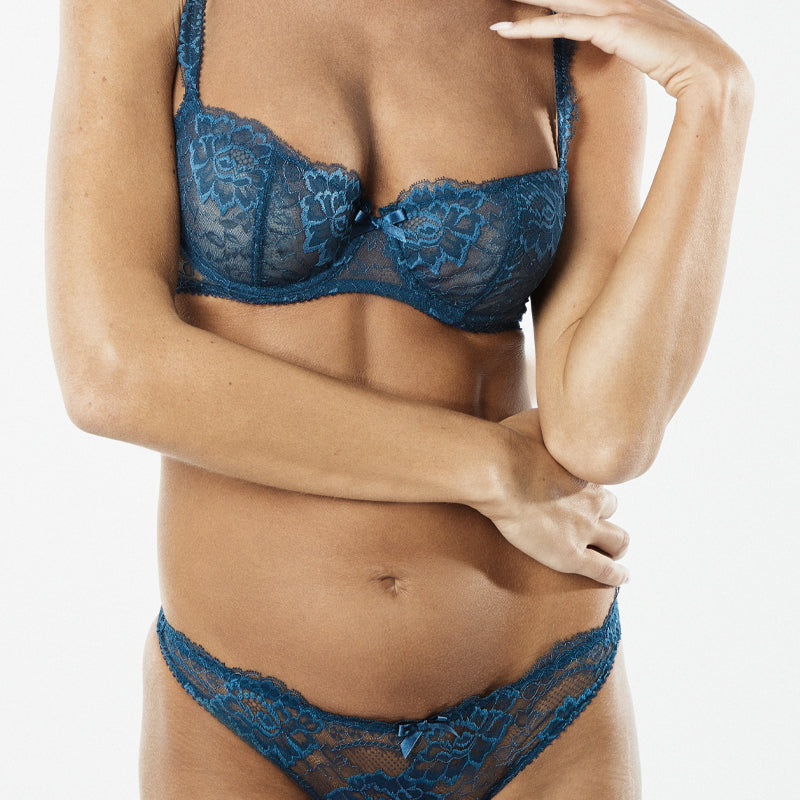
Balconette & Demi Bras
Balconette and demi bras are two of the most flattering and versatile styles in the category, and they are frequently confused with each other. Both create a lifted, rounded shape, but they do it differently — and the distinction matters for fit and what you can wear them with.
What Is a Balconette Bra
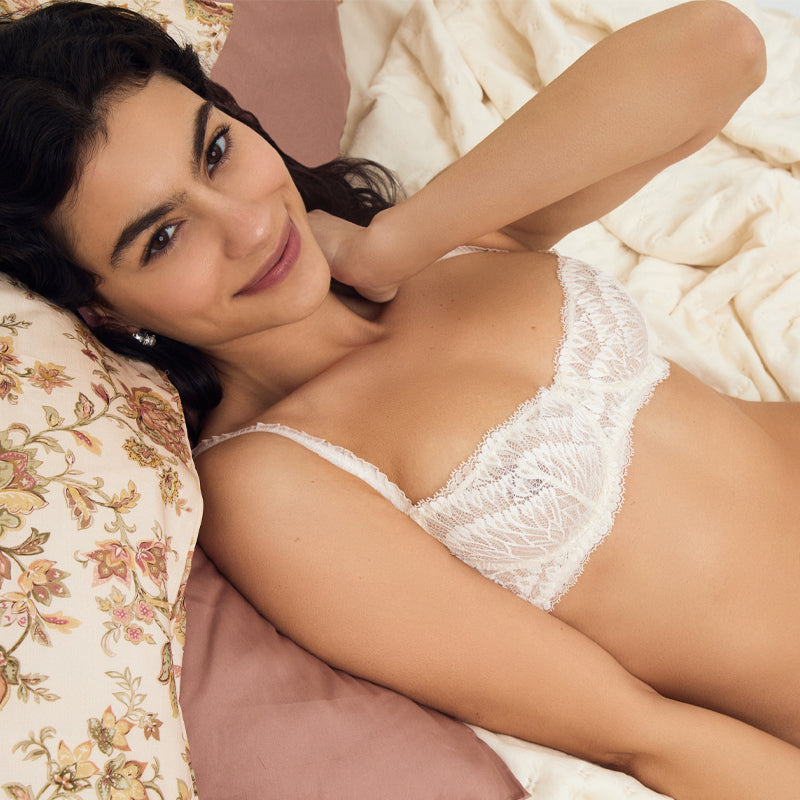
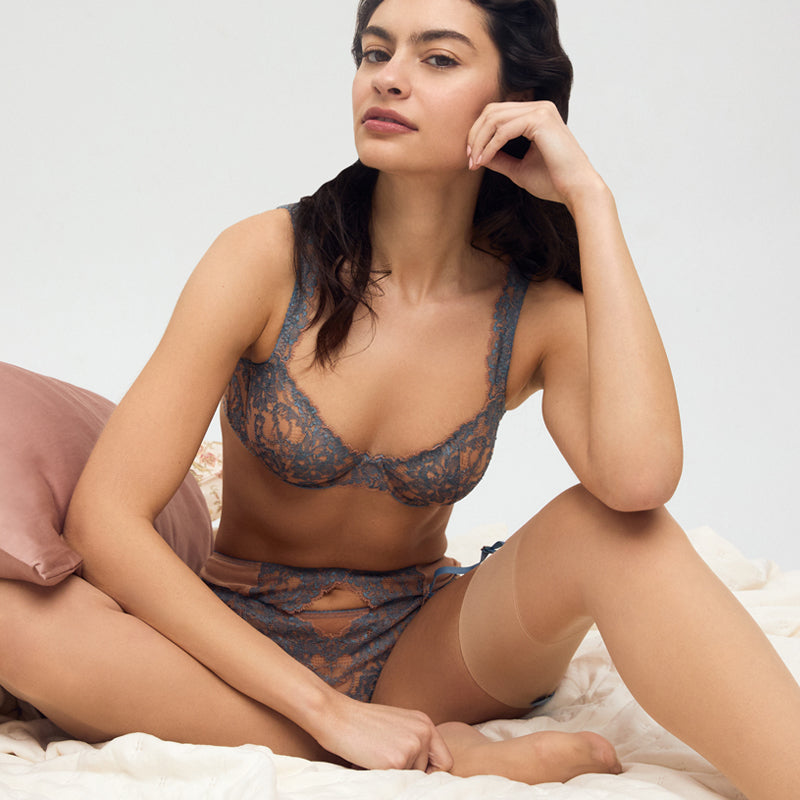
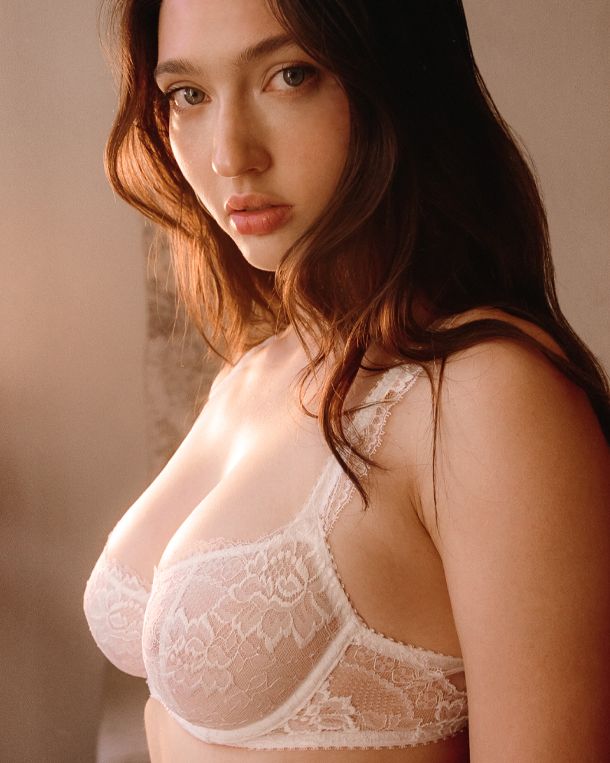
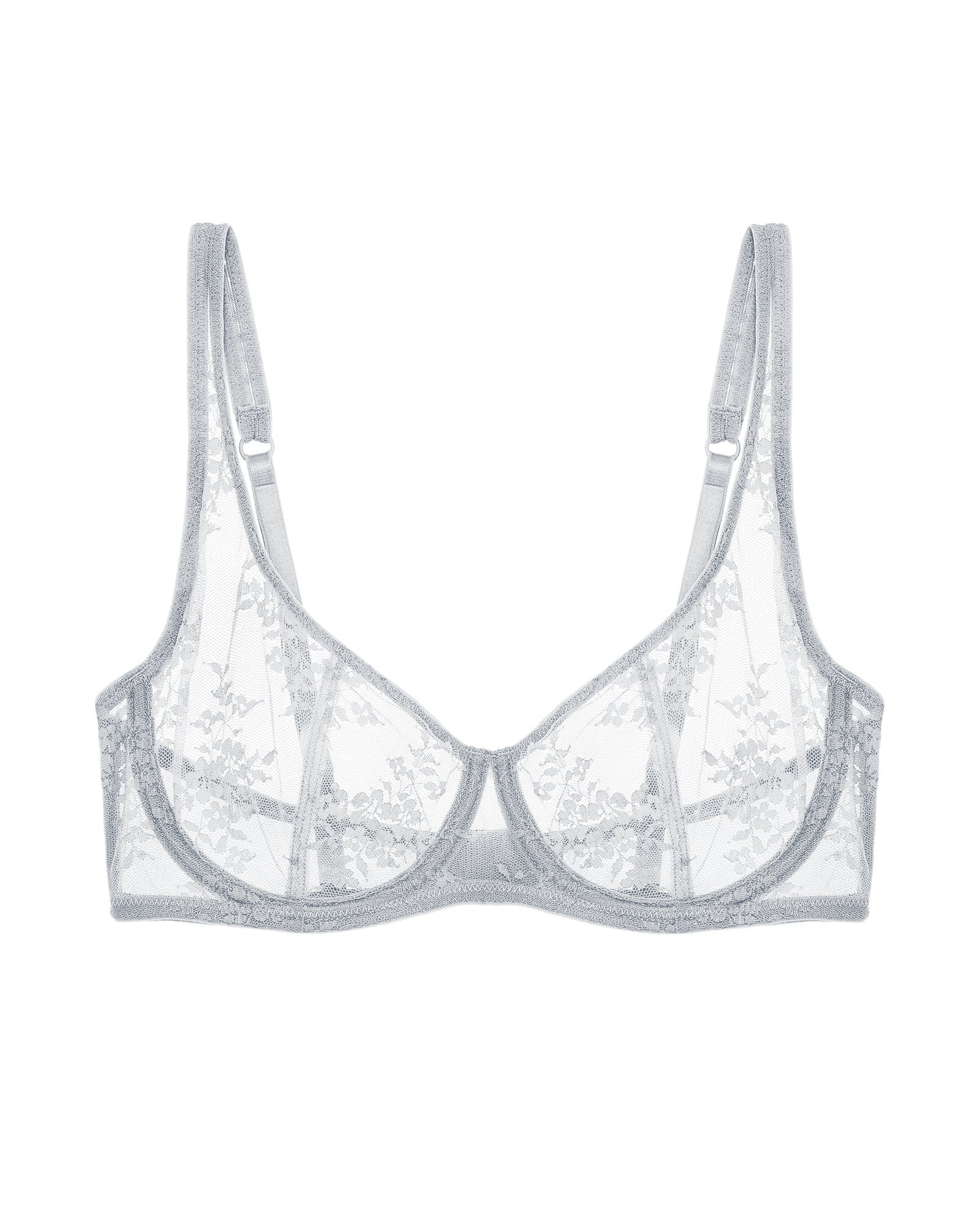
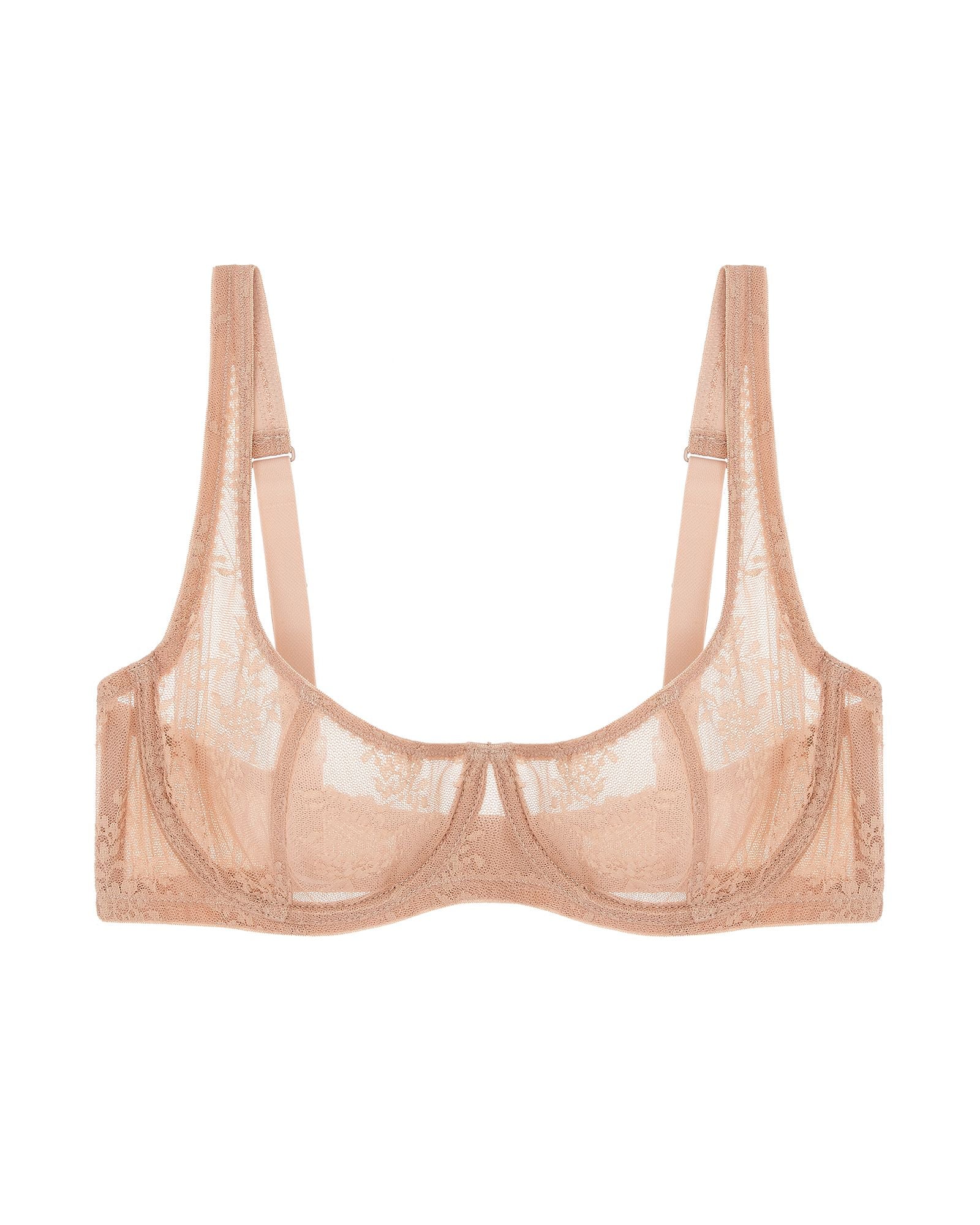
A balconette bra — sometimes called a balcony bra — has a wide, horizontal cup cut that sits straight across the top of the bust. The straps sit further apart than on a standard bra, which creates a more open neckline and a strong horizontal lift. The result is a rounded, shelf-like shape that works particularly well under square necklines, wide scoop necks, and off-the-shoulder tops, where conventional straps would be visible.
Balconettes tend to work well across a wide range of cup sizes because the cup construction provides significant uplift. For women with wider-set breasts, the wider strap placement is often a more comfortable and flattering fit than a standard bra with closer-set straps.
What Is a Demi Bra
A demi bra (short for demi-cup) covers roughly half to three-quarters of the breast, giving a lower-cut profile than a full-coverage style. The cup is cut at an angle rather than straight across, which creates a natural, rounded shape and works well with scooped and V-necklines where a higher cup would be visible. Demi bras tend to have straps positioned slightly closer together than balconettes, and they suit a wide range of body types.
Balconette vs. Demi: Which to Choose
If your priority is a wide, horizontal neckline that stays hidden under specific clothing — particularly square, bardot, or wide-scoop cuts — a balconette is usually the better choice. If you want a versatile everyday style that works with most necklines and creates a natural, lifted profile, a demi tends to be more adaptable. Many women find they want both.
Shop balconette and demi bras at Journelle.
Fitter's note: Almost every balconette runs a half-cup small in Chantelle (size up); true to size in Wacoal and Simone Perele. If you're full on top and shallow underneath, skip balconettes — you'll spill over the low-cut cup. This is the style most commonly wrong-prescribed to new clients.
Shop Balconette & Demi Bras





T-Shirt & Contour Bras
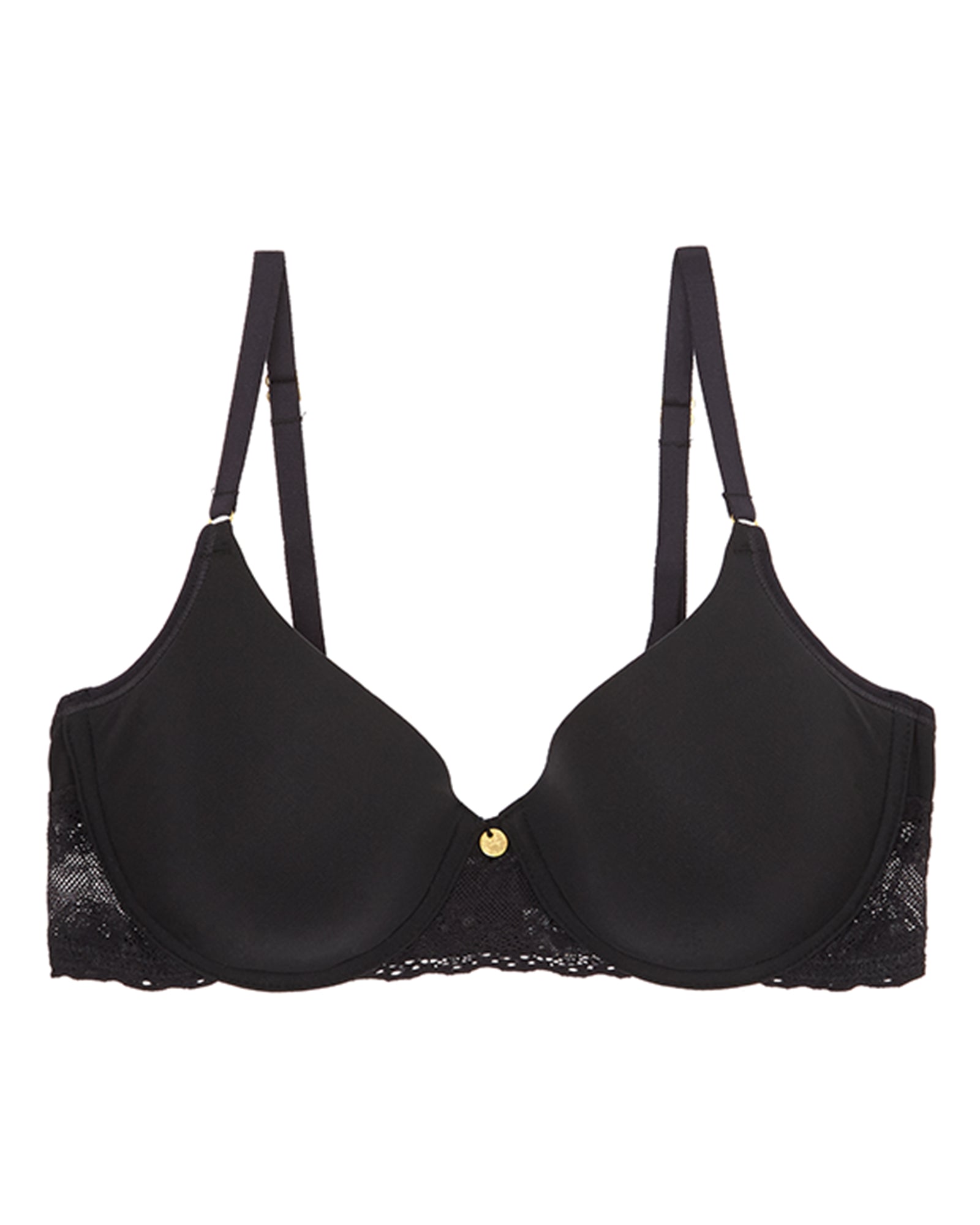
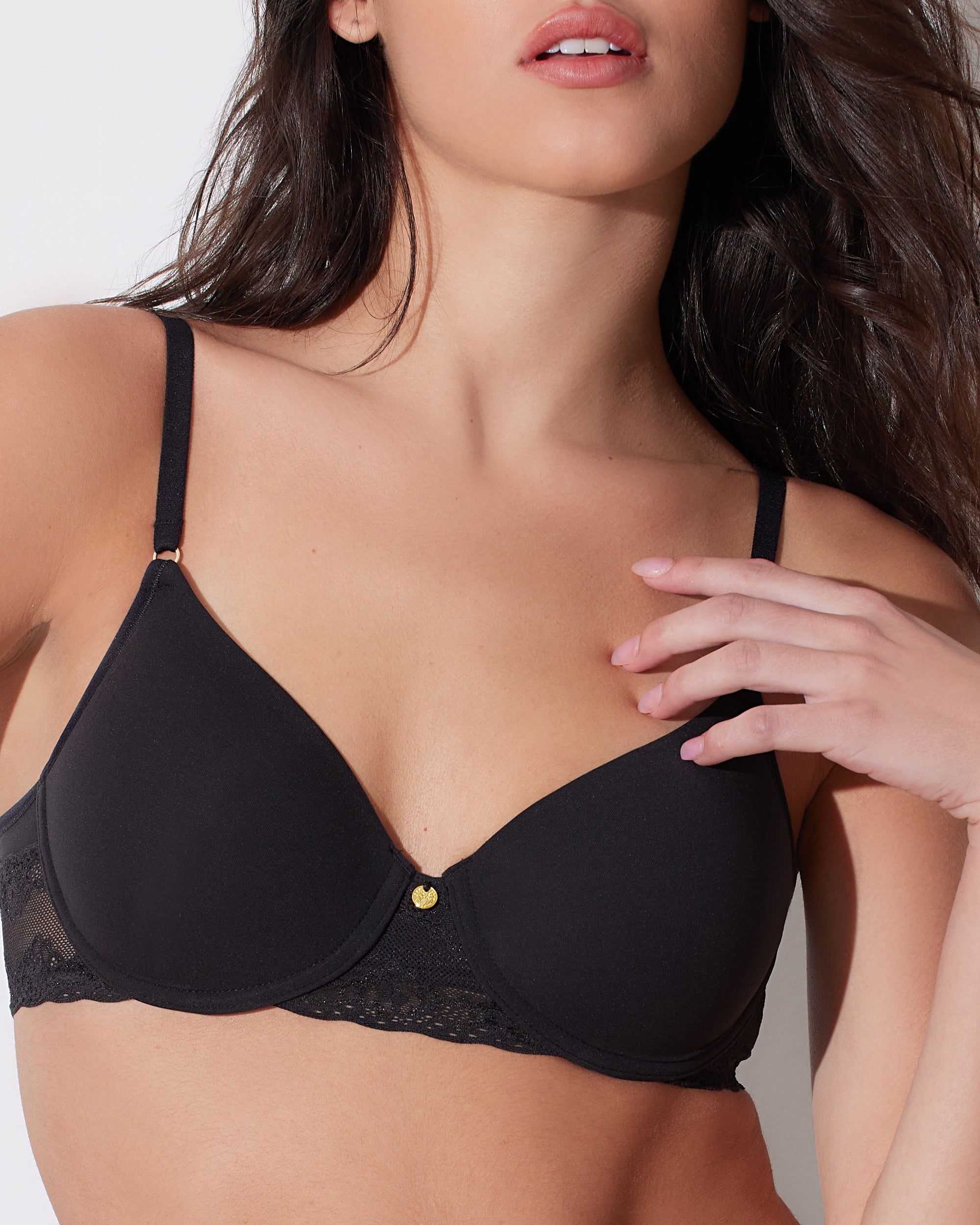
T-shirt bras and contour bras are the workhorses of most lingerie wardrobes. They are designed to be invisible under clothing — smooth, seamless, and without any texture or lace that would show through thin or fitted fabrics. The terms are often used interchangeably, though "contour" sometimes implies a slightly more structured cup shape.
How They Are Constructed
The defining feature of a T-shirt bra is a molded or lightly lined cup — either a single layer of foam that holds its shape independently of the breast, or a cut-and-sewn construction with smooth lining that lies flat under clothing. Either way, the outside surface is entirely smooth, with no seam lines, embroidery, or lace that would telegraph through fabric.
Most T-shirt bras are also underwire styles, which helps maintain the cup shape and provides consistent lift and support. Wireless versions exist and work well for lighter-support needs, but the structured underwire version tends to give the cleaner silhouette under clothing.
When a T-Shirt Bra Is the Right Choice
Reach for a T-shirt or contour bra any time the bra needs to disappear: under knit tops, cotton shirts, fitted dresses, and anything light-coloured or semi-sheer. A good T-shirt bra is also one of the most comfortable styles for all-day wear because the smooth cup requires no adjustment and lies flat through movement. Most women find it useful to own at least two — one in nude or skin tone, one in black — to cover the widest range of clothing.
Browse contour and T-shirt bras at Journelle.
Fitter's note: The "seamless under clothes" promise is real, but only if the cup fits perfectly. A moulded cup that's even slightly too big creates a visible gap under a fitted top — the opposite of what you wanted. Get fitted before buying a moulded bra; the margin for error is smaller than with a soft-cup.
Shop T-Shirt & Contour Bras




Strapless, Plunge & Convertible Bras
These styles exist to solve specific outfit problems. They are not typically everyday bras, but having the right one for the right occasion makes a significant practical difference.
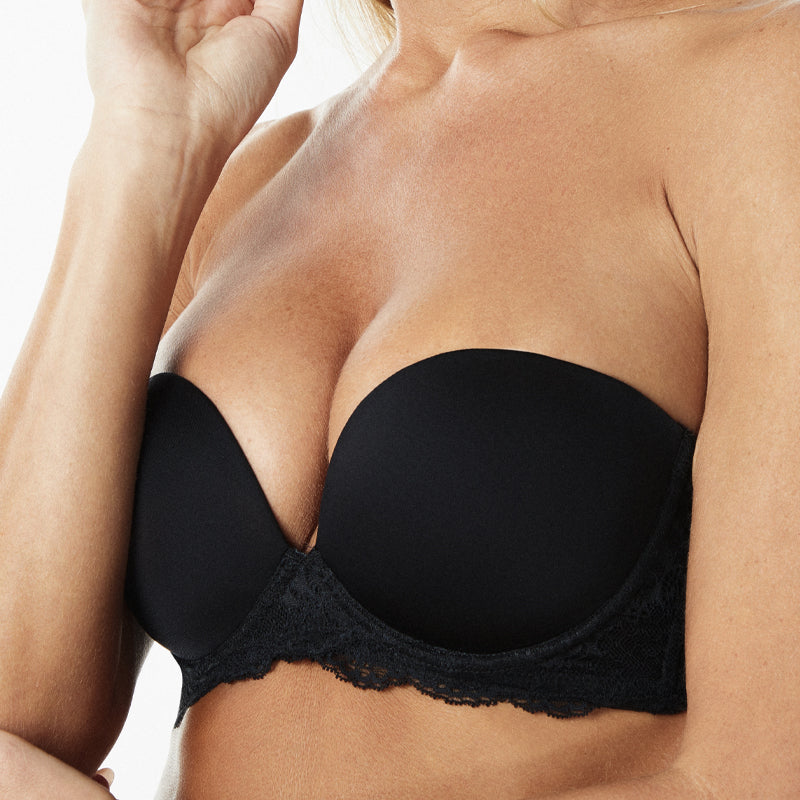
Strapless Bras
A strapless bra relies entirely on the band for support — there are no straps to help hold it in place. This means fit is more critical than with any other bra style. A band that is even slightly too large will slip down, particularly on heavier busts. The best strapless bras use silicone grip strips along the inside of the band, boning or internal structure through the cup, and a firm enough band to anchor the whole construction. If a strapless bra keeps falling, the band size is almost always the issue rather than the style itself.
Strapless bras work under off-the-shoulder tops, strapless dresses, halter necklines, and any garment where visible straps would affect the look.
Fitter's note: A strapless should fit one band size smaller than your regular bra if it has silicone grip; same band size if not. The dealbreaker is always band tension — we re-fit clients for strapless almost every time they come in, because most clients buy their regular band size and it slides down by lunch.
Plunge Bras
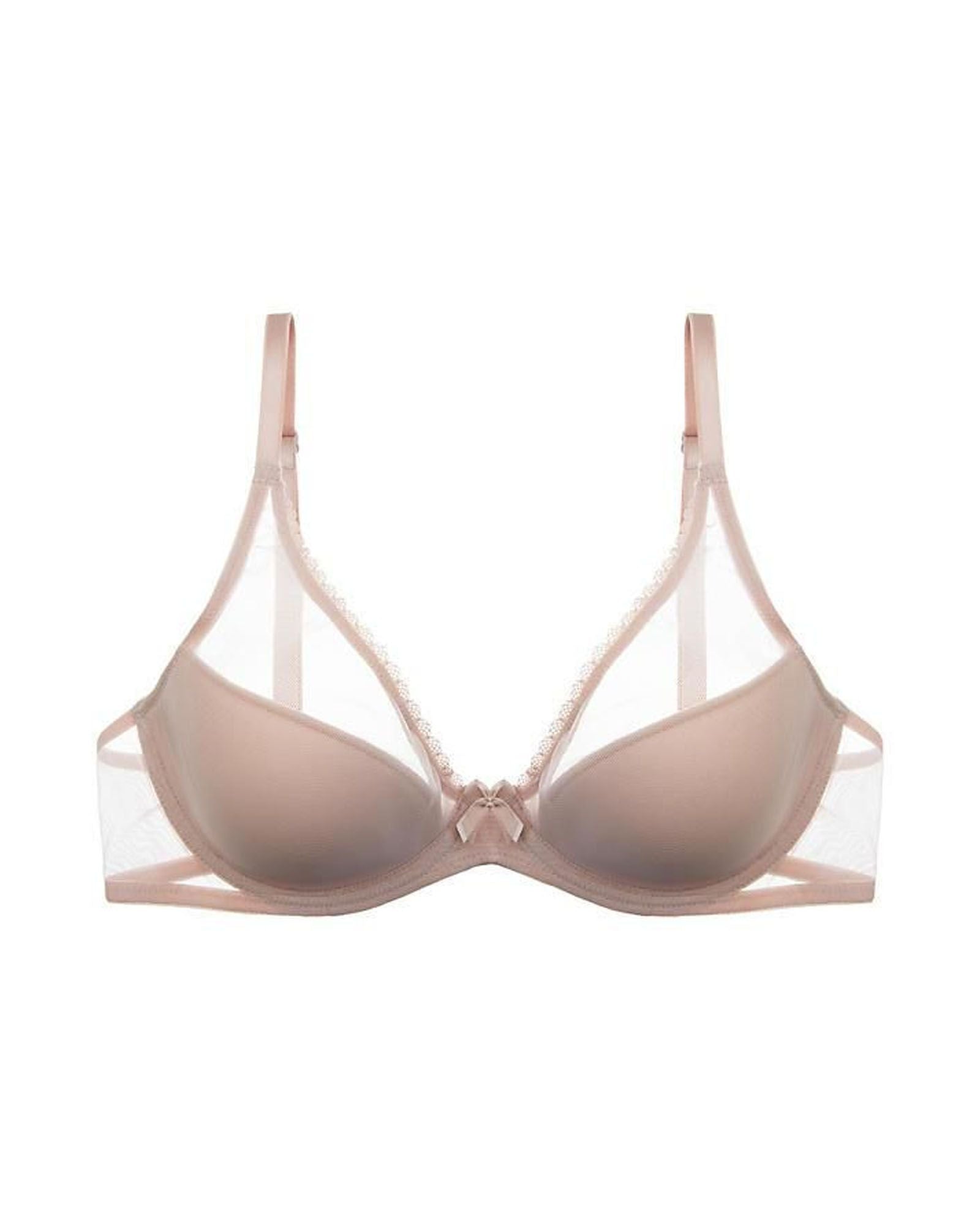
A plunge bra has a deep V-shaped center front — a low, narrow gore — which allows it to sit invisibly beneath plunging and V-necklines where the center of a standard bra would be visible. The cups angle in from the sides, creating lift and definition without showing above the neckline. Plunge bras work with deep V-necks, wrap dresses, wrap tops, and any neckline that comes to a point or angle at the center front.
Fitter's note: The plunge is the only style we'd recommend for a deep V-neck or a wrap dress. If you're DD+ and want plunge, try the Chantelle Every Curve or the Simone Perele Andora — both give you the low centre gore without losing support. Avoid the plunge if your breasts sit close-set; there's not enough room for the gore to tack properly.
Convertible Bras
A convertible bra has detachable straps that can be repositioned — typically worn straight, crossed at the back, halter-style, or removed altogether for a strapless configuration. A good convertible bra is useful when you need versatility across multiple outfits without buying several different bras. The trade-off is that convertible bras rarely fit quite as precisely as a bra designed for one specific configuration, but for occasional wear they are a practical solution.
Adhesive Bras & Nippies
Adhesive bras and nippie covers are for occasions when a conventional bra of any kind is not possible — very backless designs, deeply plunging necklines, or sheer fabrics where any bra construction would show. Adhesive bras offer light support and coverage; nippies provide coverage only. Both are single-use or limited-wash items and are best thought of as a specific solution for specific outfits rather than a regular wardrobe staple.
Shop strapless bras, plunge bras, convertible bras, and adhesive bras at Journelle.
Bras for Every Occasion



Bras for Fuller Busts
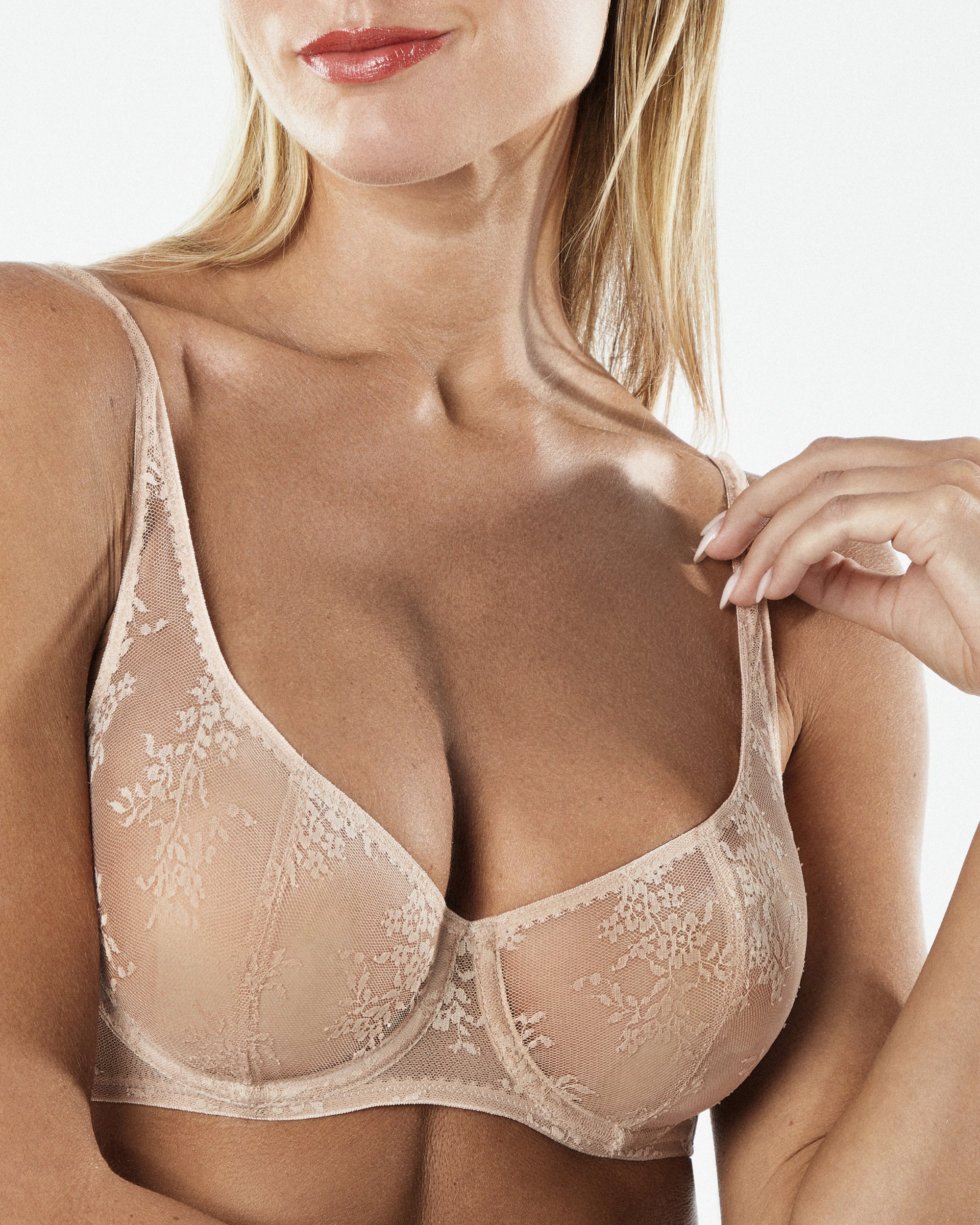
Shopping for bras in DD and above requires a slightly different set of priorities than standard bra shopping. The engineering that works for a B cup does not simply scale up — fuller bust bras need wider bands that anchor more securely, cups with enough depth and height to fully contain and lift, straps placed and angled to distribute weight without digging, and side support that keeps breast tissue in place throughout the day.
The most important thing to understand when shopping for a fuller bust is that cup and band work together. Going up a cup size without adjusting the band changes the fit entirely. If you have only ever been measured in a high-street store, it is worth trying a specialist fitting — the size difference can be significant, and a correctly fitting fuller-bust bra feels dramatically different from a standard bra worn in a larger size.
For a full guide to styles, fit, and the best options for larger cup sizes, see Journelle's dedicated resource: The Best Bras for Large Breasts. For extended sizing across all styles, browse our DD+ bra collection.
Fitter's note: Minimisers don't make breasts smaller — they redistribute volume. If you're a DD+ and a minimiser is working, you're probably in a band that's too loose and a cup that's too small. Get re-fitted before buying another minimiser. In a correctly-sized full-coverage bra, most clients find they don't need a minimiser at all.
DD+ Bras



Maternity & Mastectomy Bras
Two specialist categories worth knowing about, with their own dedicated collections at Journelle.
Maternity & Nursing Bras
Maternity bras are designed to accommodate breast changes through pregnancy and nursing — typically with softer construction, more stretch in the cup, wider bands for comfort, and nursing clips that allow easy access. Fit changes significantly during pregnancy, and most women need to be re-measured at least once. Browse maternity and nursing bras at Journelle.
Mastectomy Bras
Mastectomy bras are designed with pockets to hold breast prostheses. They are constructed to be comfortable against sensitive skin, to stay securely in place, and to look and feel as close to a standard bra as possible. Journelle's post-surgical and mastectomy collection includes options from brands with genuine expertise in this category.
How to Find Your Bra Size
Bra sizing is more nuanced than most people realize, and it is common to wear the same size for years without realizing the fit has never been quite right. Here is how to measure correctly and what the numbers actually mean.
Taking Your Measurements
Band size: Measure around your ribcage directly under your bust, keeping the tape snug and level. This number — rounded to the nearest even number — is your band size. If you measure 31 inches, your band size is 32; if you measure 33, it is 34.
Bust measurement: Measure around the fullest part of your bust, keeping the tape parallel to the floor. Do not pull the tape tight — it should sit against the body without compressing the breast.
Cup size: Subtract your band measurement from your bust measurement. Each inch of difference corresponds to a cup size: 1 inch = A, 2 inches = B, 3 inches = C, 4 inches = D, 5 inches = DD, and so on.
Sister Sizing
Cup size is not a fixed volume — it is relative to the band. A 34C and a 32D contain the same cup volume, just on different band sizes. This means that if a bra fits everywhere except the band, you can move up or down a band size and adjust the cup size accordingly: go down a band, go up a cup (34C → 32D); go up a band, go down a cup (34C → 36B). Understanding sister sizes makes it much easier to find a workable fit when a specific size is out of stock.
Signs Your Bra Does Not Fit
- The band rides up at the back during the day.
- The underwire sits on breast tissue rather than flat against the chest wall.
- The straps dig in or slide off the shoulders constantly.
- Breast tissue spills over the top or sides of the cup.
- The center front (gore) does not lie flat against the body.
- The cups gap or wrinkle when you are standing upright.
Use Journelle's fit guide for step-by-step measuring instructions, or take the fit finder quiz for a guided size recommendation.
Frequently Asked Questions About Bras
What is the difference between a balconette and a demi bra?
A balconette bra has a straight, horizontal cup cut and wider-set straps, creating a strong horizontal lift and an open neckline that works well under square and bardot cuts. A demi bra has an angled cup cut that covers roughly half the breast, with a more versatile fit that works under a wider range of necklines. Both create a lifted, rounded shape — the main difference is cup geometry and strap placement.
What is a bralette?
A bralette is a wire-free bra — typically lighter and softer in construction than an underwire style. Bralettes range from minimal triangle styles in lace or jersey to more structured longline wireless bras. They work best for lighter-support needs or as a layering piece worn visibly as outerwear.
What bra should I wear with a plunge neckline?
A plunge bra is designed specifically for this — its low, narrow center front sits below a plunging neckline without being visible. As an alternative, a convertible bra with straps removed or a well-fitting adhesive bra can also work for very deep plunge cuts.
Can underwire bras be comfortable?
Yes — when they fit correctly. The assumption that underwire is inherently uncomfortable usually comes from wearing the wrong size or a cup shape that does not match the natural breast shape. A correctly fitting underwire bra should be unnoticeable after the first few minutes of wearing it. If the wire is pressing or shifting, the size or style needs adjusting.
What is the most comfortable bra style for everyday wear?
This depends on your bust size and what you find comfortable, but the most common answers are a smooth underwire T-shirt bra in the correct size, or a supportive wireless bra with a firm band. Both disappear under clothing and require minimal adjustment through the day. For lighter bust sizes, a well-fitting bralette can also work very well for everyday wear.
What is sister sizing in bras?
Sister sizing refers to the fact that cup size is relative to band size rather than an absolute measurement. A 34C and a 32D have the same cup volume — just on different band sizes. If a bra fits well in the cup but not the band, you can adjust to a sister size: go down one band size and up one cup size, or vice versa, without changing the cup volume.
What bra works best for strapless outfits?
A strapless bra works best when the band fits very securely — snugger than you might expect. Look for styles with silicone grip strips along the inside band edge and internal structure through the cup. If a strapless bra keeps slipping, the fix is almost always going down a band size rather than switching styles.
How many bras should I own?
Most people find that three to five bras covers everyday needs comfortably — enough to rotate through washing without running short. A practical starting point: one or two smooth T-shirt bras in neutral colors, one softer or wireless option, and one or two styles suited to specific outfits (strapless, plunge, or a more decorative set). From there, add based on what you actually wear.
Shop All Bras at Journelle
From refined everyday underwire styles to beautifully constructed bralettes, balconettes, and specialty silhouettes, Journelle carries bras from the best brands in the category across a wide range of sizes and fits. Use this guide as your starting point, then explore the full collection to find the styles that work for your body and your wardrobe.
Ask the Experts
Bra Fit
How to Measure
Find your perfect fit at home with our simple bra-measuring guide. Learn how to measure your band and bust, calculate your cup size using the inch difference, and use our S/M/L conversion chart for bralettes and non-wired styles. With just a measuring tape and a few easy steps, you can confidently determine your size and choose pieces that fit beautifully.
How To Measure For a BraShape Matters
Your bra size is only half the story - your breast shape plays a major role in finding a truly perfect fit. From full and round to teardrop, compact, wide-set, slender, and asymmetric shapes, this guide helps you identify your silhouette and discover the bra styles and cup constructions designed to support, flatter, and feel amazing on your unique body.
Boob Shape HelpVirtual & In-Store Fittings
Whether you join us in-store or online, our expert fit stylists are here to help you find your perfect bra. Enjoy a personalized fitting experience - from precise measurements to style recommendations - designed to elevate comfort, support, and confidence. Book a virtual or in-person session and discover what a truly exceptional fit feels like.
Book In-Store Fitting NowExplore More Bra Styles
From everyday bras to elevated lingerie, explore styles designed for comfort, support, and fit. Shop DD+ bras, strapless bras, and matching sets to find your perfect silhouette.