
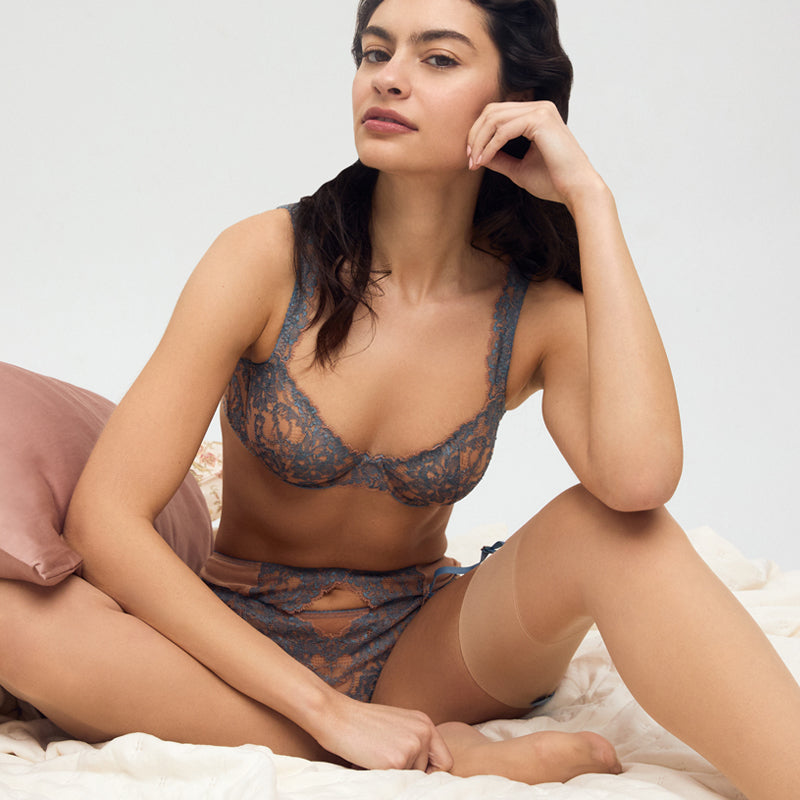

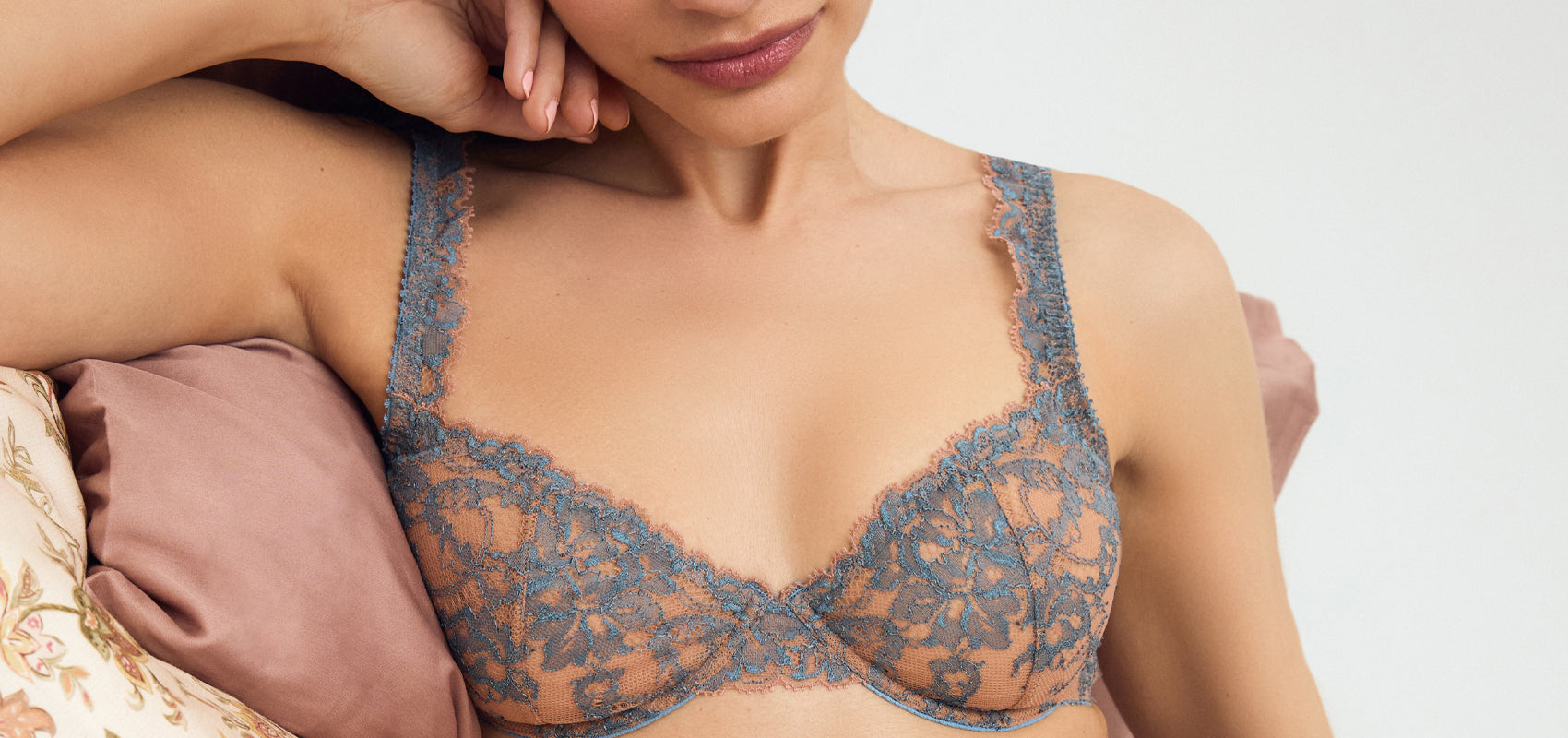
Lace Bras: How to Choose One That Looks Good and Lasts
A lace bra is one of those pieces that works harder than it looks. It can function as a layering element visible under a sheer top, read as purely lingerie under clothing, or land somewhere in between depending on the construction. Knowing what to look for helps you find one that actually lasts and holds its shape.
The Difference Between Lace Types
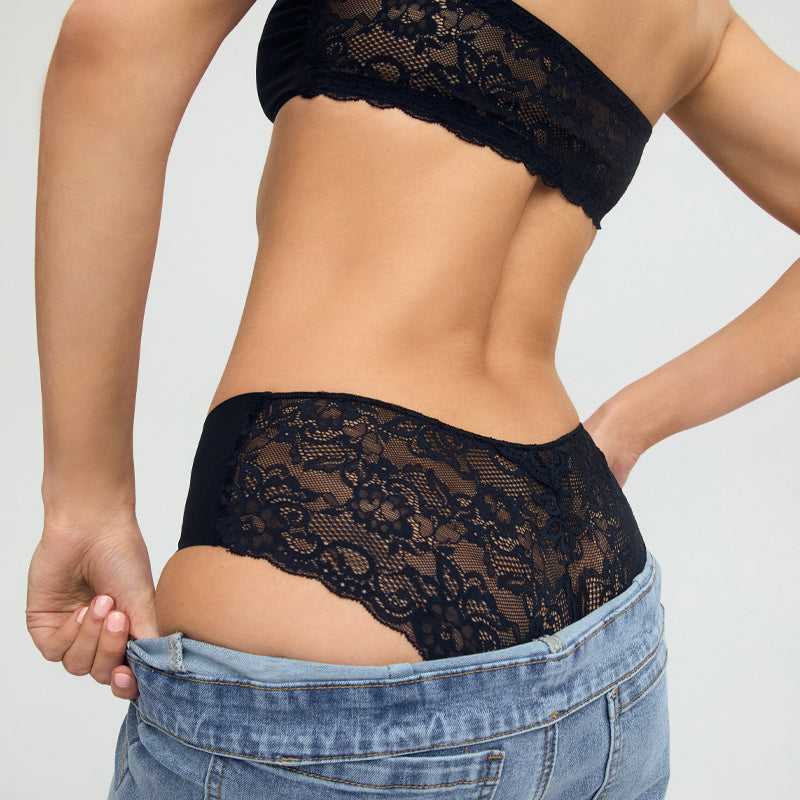
Not all lace is the same in terms of structure or durability. Stretch lace — the most common type in modern bras — conforms to the body and is more comfortable but can lose its elasticity over time, particularly with frequent washing. Rigid or guipure lace holds its shape longer and looks more structured, but offers less give and can feel stiffer against the skin. Many bras combine both: a stretch lace cup with guipure detailing at the trim or neckline edge.
Lined vs. Unlined Lace Cups
This is the most important decision in a lace bra. An unlined lace cup is sheer and shows the lace pattern against the skin — which can be beautiful but will show through most tops. A lined lace bra has a fabric layer inside the cup that provides coverage and sometimes light shaping. Some styles split the difference with a demi-lined cup that adds support where you need it most without covering the lace detail at the top edge.
For wearing under clothing, lined or demi-lined almost always makes more practical sense. For wearing as lingerie, unlined lace offers a more delicate look.
Fit: Where Lace Bras Often Fail
Lace bras can be less forgiving on fit than other styles because lace has a specific texture and pattern that becomes visually distorted when stretched. If the lace at the top of the cup is pulling or gaping, that's not just a comfort issue — it's visible. Make sure the cup holds your full breast tissue without gaps at the top edge or spillage at the sides.
The underwire, if present, should lie flat against the ribcage and not dig into breast tissue. If you feel the underwire pushing against you at the center or sides, try a wider-set underwire style or a different cup shape.
How to Make Lace Last
Lace is the most fragile fabric in a bra. Machine washing, even on a delicate cycle, degrades the fibers faster than hand washing. Always hand wash lace bras in cool water with a gentle detergent, rinse thoroughly, and lay flat to dry. Never wring or twist lace — it distorts the pattern and can pull the underwire out of alignment. Stored flat, a well-made lace bra should hold its shape for at least a full year of regular wear.
Wearing Lace Intentionally
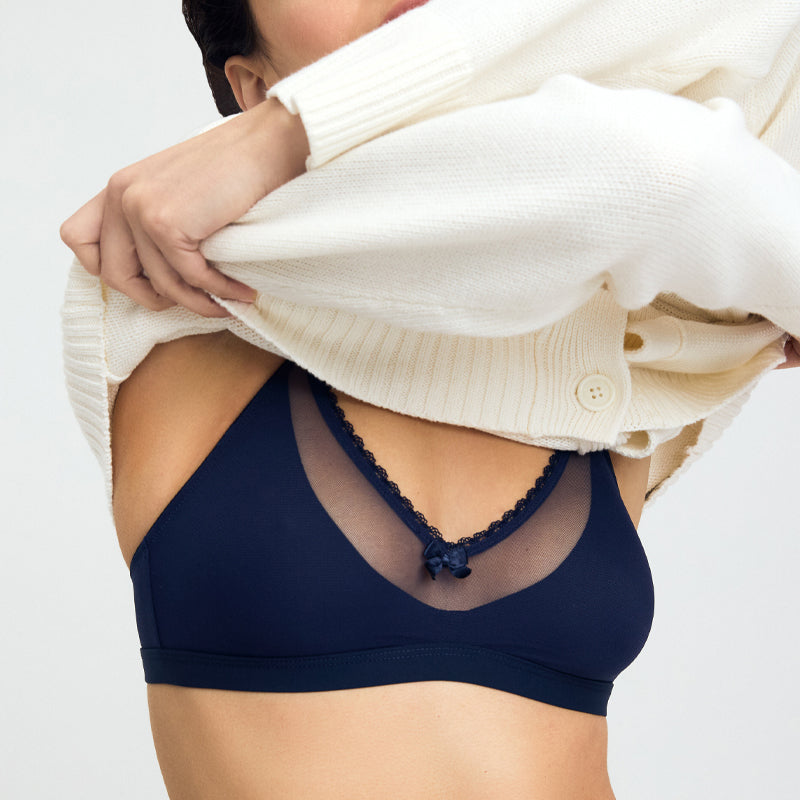
One of the more interesting things about a lace bra is how it works as a layering element. Under a loose-knit sweater or sheer blouse, a visible lace edge at the neckline reads as intentional. Under a tight-fitting top, lace texture can show through if the lace pattern is raised — something to check before wearing.