



A How-To Guide
Caring For Your Lingerie
Reviewed by Natalie, Senior Fitter at Journelle Union Square. Certified bra fitter with over a decade on the fitting-room floor, she's helped clients extend the life of their lingerie collections through proper care - and diagnosed more "my bra doesn't fit anymore" complaints caused by bad laundering than by actual size changes.
Caring for our intimates is a delicate matter. Luxury lingerie is an investment, and taking proper care of your items helps them last longer. High-quality fabrics and details like silk, lace, embroidery, and mesh require extra attention and time. Make your luxury last a lifetime by caring for your lingerie the way it was intended.
HOW TO HAND WASH YOUR LINGERIE
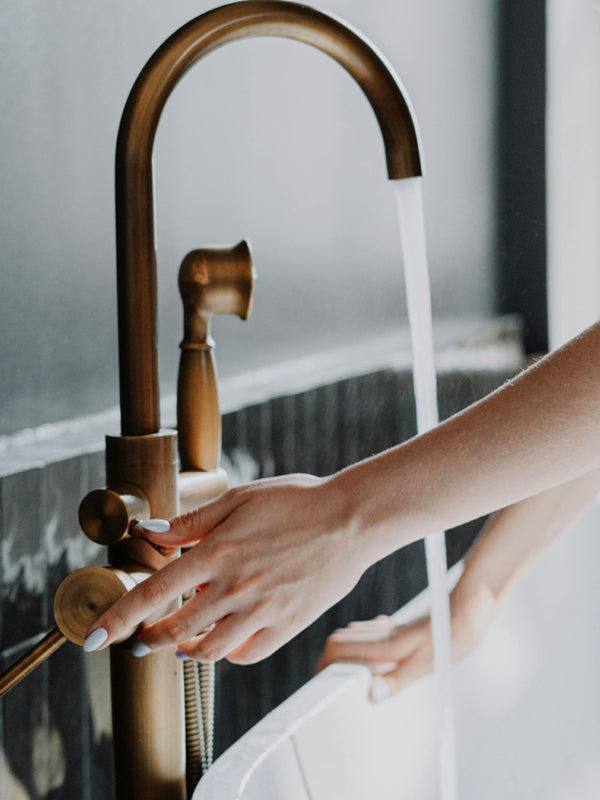
Prepare a Bath for Your Lingerie
- Your lingerie likes a bubble bath just like you do. Fill your sink, tub, bucket, or bowl with lukewarm water.
- Add a nontoxic gentle soap, natural shampoo, or designated lingerie wash.
- Drop in your delicates and gently move them around to evenly distribute the suds and submerge.
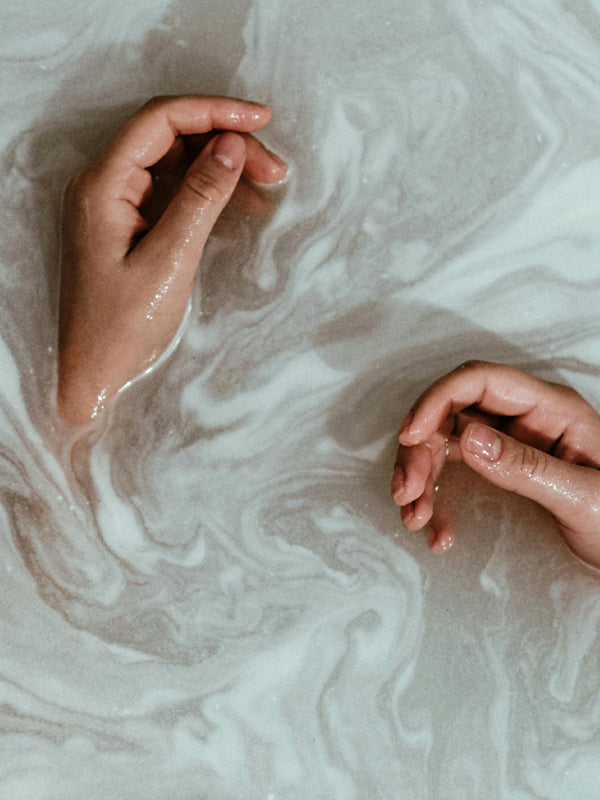
Soak & Rinse
- Set a time and allow your lingerie to soak for up to 30 minutes. Consider this an opportunity for some self-care. Do a face mask, call a friend, sit in the sun, sip some coffee or wine – you do you.
- After soaking is complete, run each item under a stream of lukewarm water until the water runs clean.
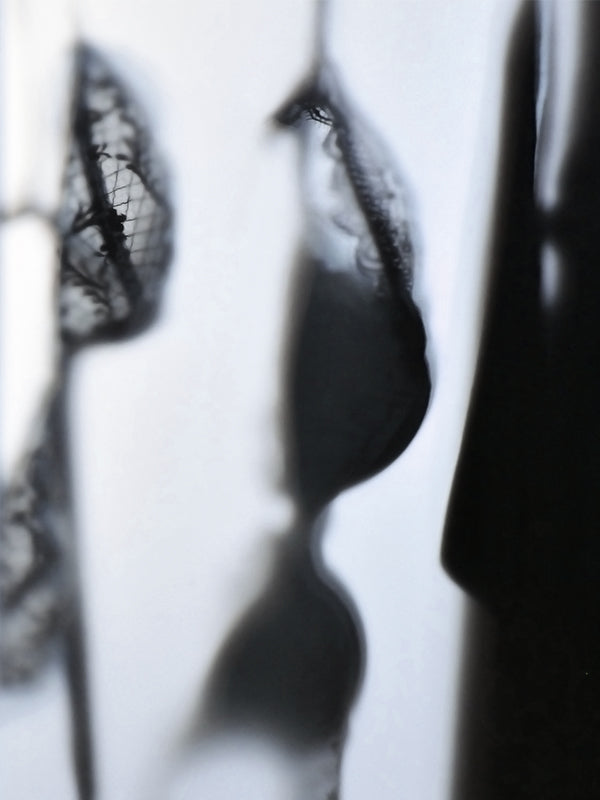
Hang Dry & Store
- Press or gently squeeze any excess water out.
- The best way to dry your lingerie is to hang dry. You can use a laundry line, drying rack, special hangers, or lay the lingerie flatly on a towel.
- After your lingerie is finished drying, you can store it in a safe place.
PRO TIP:
Love the scent of our stores? Wash you lingerie with our Signature Linden Lingerie Wash.
Tumble dryers are where bras go to die
A tumble dryer's heat degrades elastane faster than any other single thing you'll do to a bra. Even the "low heat" setting on most dryers is hotter than the temperature at which elastic fibres start to lose their snap.
The correct method: after washing, gently press excess water out between two clean towels. Don't wring — twisting deforms moulded cups. Then either lay flat on a drying rack or hang by the centre gore (never by a strap; hanging by straps is the second-fastest way to stretch them out). Air-dry away from direct sunlight, which fades colour and weakens elastic.
Silk pieces dry flat only, in shade. Lace pieces can hang from the band but not from delicate straps. Bralettes can tolerate a drying rack. Moulded bras should always, always dry flat — hanging wet adds weight and stretches the band.
Travelling with lingerie
The best travel-packing method we've seen in the fitting rooms: nest moulded cups. Take one bra, lay it cup-side up, then place a second bra inside so its cups sit inside the first bra's cups. A third bra can nest into the second. This preserves cup shape and takes up less space than laying them flat.
For soft-cup bras and bralettes, rolling works fine. For a week-plus trip where you'll wear the same few pieces, a structured lingerie travel case ($40-80, reusable for years) protects cup shape better than any packing technique.
Never check a lingerie drawer's worth into a hold bag — the pressure of other luggage deforms moulded cups even through a case. Carry-on only for bras.
When to replace a bra (and what the signs are)
Most of our clients hang onto bras too long. The typical lifespan of a regular-wear bra is 6 to 9 months of twice-or-thrice-weekly wear. After that, even a perfectly clean bra is working against you.
The clearest sign: you've moved to the tightest hook and the band still rides up your back during the day. The band provides 80% of a bra's support — once its elastic is done, the cups are doing work they're not designed to do, which is why "my bra feels fine but my straps dig in" is almost always a dead-band problem, not a strap problem.
Other signs: underwires poking out, moulded cups that have lost their crisp shape (indent test: press a fingertip into the cup. If the foam doesn't spring back, it's compressed), straps that slip off your shoulders no matter how tight you set them, lace that's stretched at the edges.
Occasional-wear bras (strapless, bridal, bustiers worn a few times a year) can last several years. Everyday bras almost never do. Buying fewer, better bras and replacing them more often is a healthier pattern than hoarding a large collection that ages all at once.
Stain treatment
The rule for lingerie stains: cold water, immediately. Warm water sets almost everything — perfume oils, period stains, sweat-and-deodorant residue. Keep a small bottle of pH-neutral detergent in your bathroom and treat stains before they dry.
Deodorant marks on the cup or underarm: work a small amount of delicate detergent into the stain with a soft toothbrush, let it sit for 10 minutes, cold-water rinse.
Period spotting: soak in cold water for an hour, then apply hydrogen peroxide directly to the stain and rinse before washing normally.
Perfume stains (often invisible but yellow over time): cold-water soak with delicate detergent; don't iron or expose to heat until the stain is fully treated.
What not to use: chlorine bleach on any elastic or silk, hot water on any stain, commercial stain-removers with oxygen bleach (fine for cotton underwear, damaging for silk and moulded cups).
How to care for different fabrics
Cotton
- Machine wash in cold or lukewarm water.
- Use a mild detergent.
- Separate your colors.
- Line dry or tumble dry on low heat to avoid shrinking.
Silk
- Always hand wash silk in cold water.
- Avoid using harsh chemicals or bleach.
- Rinse silk thoroughly. Do not wring or twist the fabric.
- Lay silk flat on a clean, absorbent towel and roll it up to remove excess water.
- Do not hang silk, as the weight of the water can stretch the fabric.
- Allow it to air dry away from direct sunlight or heat sources.
- Silk can be easily damaged by high heat, so be cautious.
Hosiery
- Hand wash or use a gentle cycle with a lingerie bag.
- Use a mild detergent.
- Rinse hosiery in cool water to remove any detergent residue.
- Gently squeeze out excess water. Do not stretch or wring dry.
- Lay your hosiery flat on a clean towel to air dry.
Swimwear
- Gently hand wash your swimwear with a mild detergent in cold water.
- After washing, pat your swimwear with a clean towel to remove excess water.
- Avoid wringing out or twisting the fabric, as this can damage the elasticity.
- Lay your swimwear flat on a towel in the shade to air dry.
- To extend the life of your swimwear, rotate between multiple suits.
Frequently Asked Questions
HOW OFTEN SHOULD I WASH MY BRAS?
Think of your bra like you think of your favorite pair of jeans: you can get away without washing them every time (and you also definitely know when they're due for a wash). The more bras you have, the longer you can go between washes, but a good rule of thumb is to wash every 2-4 wears.
CAN I PUT MY LINGERIE IN THE WASHING MACHINE?
Yes, if you use a mesh laundry bag, cold water, and the delicate cycle. Hand-wash is gentler and will extend a bra's life by months, but machine-washing in a bag is the realistic compromise most of our clients actually stick with. Never tumble dry - heat destroys elastane.
CAN I USE WOOLITE OR REGULAR DETERGENT?
A pH-neutral detergent designed for delicates — our Lingerie wash not only rinses clean and smells amazing but is also formulated to break down organic residues; but Soak, Forever New, or The Laundress Delicate Wash are the three we also recommend. Regular detergent has enzymes and optical brighteners that break down elastic fibres and fade silk over time. If you only own one bottle, choose one of these.
CAN I TUMBLE DRY A BRA?
No. Heat is what kills bras. The elastane in the band and straps loses its snap at dryer temperatures, and moulded cups can warp. Lay flat to dry, or hang by the gore (the centre piece between the cups) — never hang by a strap, which stretches it out.
HOW SHOULD I STORE MY BRAS?
Storing molded bras with the cups folded in on each other can make them break down unevenly. We're pretty sure "lopsided" isn't your look. Instead, store bras nested together with their hooks hooked. It's better for the bras and actually takes up less space in the drawer that way.
HOW DO I TRAVEL WITH MY BRAS?
Pack moulded cups nested inside each other (one bra's cup sits inside another's) to preserve shape — never fold or press. A structured lingerie travel case is worth the money if you travel often. For soft-cup bras and bralettes, rolling works.
HOW DO I TREAT STAINS IN LINGERIE?
Treat immediately. Deodorant marks: a small amount of micellar water or pH-neutral detergent worked into the stain with a soft toothbrush, then cold-water soak. Perfume: cold water only — warm water sets fragrance oils. Period spotting: cold water, then hydrogen peroxide dabbed on the stain before washing. Never use chlorine bleach on elastic or silk.
WHEN SHOULD I REPLACE A BRA?
Every 6 to 9 months of regular wear for everyday bras, longer for occasional-wear styles. The signal isn't the fabric — it's the band. If you're wearing it on the tightest hook and it still rides up, the elastic is done, regardless of how the rest of the bra looks. Once it goes, no amount of washing will bring it back.